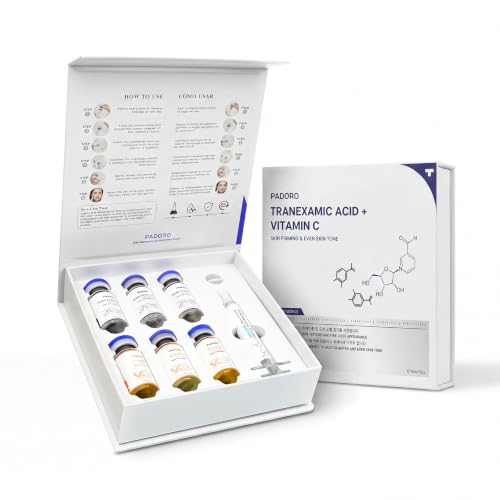
Tranexamic Acid for Skin: Benefits, Use & Product Guide
Struggling with stubborn dark spots, melasma, or post-acne marks? Learn how tranexamic acid works, who it suits best, and how to build a brightening routine around it.
Why tranexamic acid deserves a spot in your routine: It is one of the most researched brightening ingredients for hyperpigmentation, yet gentle enough for many skin types. This guide walks you through what it does, how to use it, what to pair it with, and how to shop for a quality formula.
What Is Tranexamic Acid?
Tranexamic acid is a synthetic derivative of the amino acid lysine. Although it is best known in medicine for reducing bleeding, it has become a star ingredient in skincare because of its ability to calm the pigment-producing pathways in the skin. Unlike harsh lightening agents, it does not bleach the skin; instead, it helps interrupt the signals that lead to excess melanin production, especially after UV exposure or inflammation.
In topical formulas, tranexamic acid is usually combined with niacinamide, vitamin C, or kojic acid to amplify brightening results. Because it works on the root of discoloration rather than simply exfoliating the surface, it is a favorite for people dealing with melasma and post-inflammatory hyperpigmentation (PIH). If you are building a targeted routine, you may also want to explore a dedicated dark spot remover or a dark spot corrector to complement your treatment.
Key Benefits for Your Skin
Fades Hyperpigmentation
Helps reduce the appearance of dark spots, sun spots, and post-acne marks by calming melanin production.
Targets Melasma
Clinically shown to support melasma management when used consistently alongside sun protection.
Brightens Overall Tone
Promotes a more even, luminous complexion without the irritation often associated with strong acids.
Gentle on Most Skin
Well tolerated by many sensitive skin types, especially in fragrance-free formulations.
Pairs Well With Others
Works synergistically with vitamin C, niacinamide, and sunscreen for faster visible results.
Reduces Redness
Some formulas also help calm redness and post-procedure discoloration, supporting recovery.
How Tranexamic Acid Works
Melanin production is triggered by a chain of chemical signals, particularly after inflammation or UV damage. Tranexamic acid interferes with that chain by blocking the interaction between plasmin and keratinocytes, two key players in the pigmentation process. The result is a calmer skin environment where fewer dark spots form and existing ones gradually fade.
Because it does not aggressively exfoliate, tranexamic acid is a smart choice for people who cannot tolerate retinoids or strong acids. Pairing it with a hydrating face serum or a soothing face cream can keep the skin barrier strong while you work on brightening. If you also struggle with redness, a skin bleaching cream is not the answer — tranexamic acid offers a more targeted and gentle route.
Tranexamic Acid vs. Other Brightening Ingredients
| Ingredient | Primary Strength | Best For | Gentleness |
|---|---|---|---|
| Tranexamic Acid | Calms pigment signals, targets melasma and PIH | Stubborn dark spots, sensitive skin | High |
| Vitamin C | Antioxidant protection, brightening | Dullness, early sun damage | Moderate |
| Niacinamide | Barrier support, oil control, mild brightening | Oily and combination skin | High |
| Kojic Acid | Directly inhibits melanin production | Severe discoloration | Low–Moderate |
| Retinoids | Cell turnover, texture, long-term clarity | Acne, aging, post-acne marks | Low |
For a dedicated vitamin C option, see our guide to vitamin C serum for hyperpigmentation. And if you are layering brighteners, a vitamin C and retinol serum guide can help you sequence them safely.
How to Use Tranexamic Acid in Your Routine
- Start with a gentle cleanser. A face wash that does not strip the skin keeps the barrier intact.
- Apply a tranexamic acid serum. Use 2–3 drops on clean, dry skin, focusing on areas with discoloration. Many people use it both morning and evening.
- Layer with hydration. Follow with a face serum or a tinted moisturizer for dry skin if you want light coverage.
- Seal with moisturizer. A face cream or a face oil helps lock in hydration.
- Never skip sunscreen. UV exposure is the biggest trigger for new pigmentation. A broad-spectrum sunscreen is non-negotiable.
Consistency matters more than strength. Most people see visible improvement after 8–12 weeks of daily use. If you are also exploring treatments for texture and tone, a skin tightening treatment guide can help you understand complementary options.
Who Should Consider It?
Tranexamic acid is especially helpful for:
- People with melasma triggered by sun or hormones
- Anyone dealing with post-acne dark marks
- Those with sun-induced hyperpigmentation
- Sensitive skin types who cannot tolerate strong acids or retinoids
- Anyone looking for a gentle brightening ingredient for daily use
If your main concern is under-eye shadows, a under-eye patch for dark circles can complement a brightening routine. For deeper wrinkles around the eyes, consider an eye cream for wrinkles alongside your tranexamic acid serum.
How to Choose a Quality Tranexamic Acid Product
Look for formulas that clearly state the percentage of tranexamic acid, typically between 2% and 5%. Many entry-level serums are effective, while mid-range and premium options often pair tranexamic acid with stabilised vitamin C, niacinamide, or peptides for a more complete brightening package. A fragrance-free formula is a smart choice for sensitive skin.
If you prefer a layered routine, combine your tranexamic acid with a vitamin C serum for sensitive skin or a vitamin C serum for dry skin. For oily skin types, a tinted moisturizer for oily skin can help balance shine while you treat discoloration. Those exploring fuller transformations often ask about permanent makeup and tattooed eyebrows, but topical brighteners remain the gentlest first step for pigment concerns.
Precautions and Side Effects
Tranexamic acid is generally very well tolerated. Mild irritation or dryness can occur, especially if combined with other active ingredients. Always patch-test a new product for 24–48 hours before applying it to your whole face. Avoid using tranexamic acid on broken or inflamed skin, and consult a dermatologist if you are pregnant, breastfeeding, or using prescription skin treatments.
For a fuller understanding of when to seek professional help, review our disclaimer and consider a visit to a skin clinic if your pigmentation does not respond to at-home care.
Frequently Asked Questions
What does tranexamic acid do for skin?
It helps reduce hyperpigmentation, dark spots, and melasma by calming the skin processes that trigger excess pigment production. It is especially effective for stubborn discoloration.
Can I use tranexamic acid every day?
Yes, most tranexamic acid serums are gentle enough for daily use, typically once or twice a day. Start slowly to check your skin's tolerance and always follow with sunscreen.
Can tranexamic acid be combined with vitamin C?
Yes, tranexamic acid pairs well with vitamin C and niacinamide for a brightening routine. Apply them in separate layers or choose a formulated product that combines them.
Is tranexamic acid safe for sensitive skin?
Tranexamic acid is generally well tolerated, including by many people with sensitive skin. Patch-test first and choose fragrance-free formulations to minimize irritation.
How long does it take to see results?
Most people notice gradual improvement after 8–12 weeks of consistent use. Results depend on the cause of discoloration, sun protection habits, and product formulation.
Ready to Start Your Brightening Routine?
Explore our recommended tranexamic acid serums and build a routine that fits your skin type and goals.
See Recommended Products