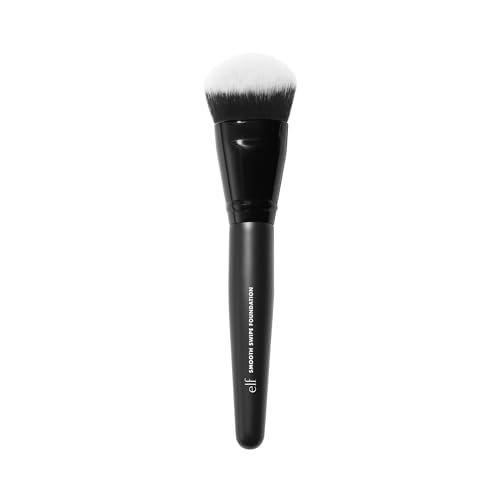
The Ultimate Foundation Brush Guide
Find the perfect brush for your foundation type and skin. Achieve a flawless, airbrushed finish every time.
Choosing the right foundation brush can transform your makeup routine. Whether you prefer liquid, cream, or powder foundation, the right tool ensures smooth, streak-free application and helps your makeup last longer. This guide breaks down everything you need to know—from brush types and shapes to application techniques and care tips.
Types of Foundation Brushes & Their Uses
Not all foundation brushes are created equal. Each shape and bristle type serves a specific purpose. Here's a breakdown of the most common types and what they're best for.
Flat / Paint Brush
Best for: Liquid and cream foundations.
This classic brush features dense, flat bristles that apply foundation in smooth, even strokes. It's ideal for full coverage and works well with thinner liquid formulas. Use it with a face primer for a flawless base.
Buffing / Kabuki Brush
Best for: Liquid, cream, and powder foundations.
With dense, short bristles, this brush is designed for circular buffing motions. It provides medium to full coverage and is excellent for blending out foundation for a seamless, airbrushed look. Pair it with a good setting powder for long-lasting wear.
Duo-Fiber / Stippling Brush
Best for: Lightweight liquid and cream foundations, BB creams.
Featuring two layers of bristles (usually synthetic and natural), this brush gives a sheer, buildable coverage. It's perfect for achieving a "your skin but better" look and works beautifully with BB cream or tinted moisturizer.
Flat-Top / Oval Brush
Best for: Cream and liquid foundations, especially thick formulas.
This brush has a flat, rounded top with densely packed bristles. It's great for quick, full-coverage application and works exceptionally well with foundation that has a thicker consistency. It can also be used to blend out concealer.
Natural vs. Synthetic Bristles: Which is Right for You?
The material of the brush bristles can significantly impact your application. Here's a quick comparison to help you decide.
🌿 Natural Bristles
- Best for: Powder foundations, setting powders, and blushes.
- Pros: Excellent for picking up and depositing powder products evenly.
- Cons: Not ideal for liquid or cream products (absorbs too much product); can be more expensive; requires special cleaning.
Natural bristles have tiny cuticles that grip powder particles, making them perfect for powder application.
🧪 Synthetic Bristles
- Best for: Liquid, cream, and gel foundations.
- Pros: Non-porous, so they don't absorb product; easier to clean; more hygienic; more affordable; cruelty-free options widely available.
- Cons: May not pick up powder products as effectively as natural bristles.
For liquid foundation, synthetic brushes are almost always the superior choice. They work beautifully with face serum-infused foundations.
Step-by-Step: How to Use a Foundation Brush for Flawless Finish
Follow these steps to master foundation brush application and achieve a professional-looking result.
- Prep Your Skin: Always start with clean, moisturized skin. Apply a face primer to create a smooth canvas.
- Apply Foundation: Dot foundation onto your forehead, cheeks, nose, and chin. You can use your fingers or the back of your hand.
- Start Blending: Use your brush to blend the foundation outwards. For flat brushes, use downward strokes. For buffing brushes, use small circular motions.
- Build Coverage: Apply thin layers and build up coverage where needed, especially around the nose and any areas with redness or blemishes. Use a concealer for spot-concealing.
- Set with Powder: If you have oily skin or want your foundation to last all day, lightly dust setting powder over your T-zone with a powder brush.
- Clean Your Brush: Wash your foundation brush regularly with a gentle brush cleaner to prevent breakouts and maintain its performance.
Quick Comparison: Which Brush Should You Choose?
Use this table to find the ideal brush based on your foundation type and desired coverage.
| Brush Type | Best For Foundation | Coverage | Finish |
|---|---|---|---|
| Flat / Paint | Liquid, Cream | Full | Flawless, even |
| Buffing / Kabuki | Liquid, Cream, Powder | Medium to Full | Airbrushed |
| Duo-Fiber / Stippling | Light Liquid, BB Cream | Sheer to Medium | Natural, dewy |
| Flat-Top / Oval | Thick Liquid, Cream | Full | Flawless, smooth |
How to Clean and Care for Your Foundation Brush
Proper brush care is essential for hygiene and longevity. Dirty brushes can harbor bacteria, leading to breakouts, and can affect how your foundation applies.
🧼 Daily / Weekly Cleaning
- Spot Clean: After each use, spray a brush cleaner on a paper towel and gently swirl the brush to remove excess product.
- Deep Clean: Wash your foundation brush at least once a week with a gentle brush cleaner or mild shampoo. Rinse until the water runs clear.
🌬️ Drying & Storage
- Dry Properly: After washing, reshape the bristles and lay the brush flat on a towel to dry. Avoid standing it upright, as water can seep into the handle.
- Store Correctly: Store your brushes in a makeup organizer or brush holder with the bristles facing up to keep their shape.
Expert Tips for the Perfect Foundation Application
-
✨
Choose the Right Brush Shape: A dense, flat brush works best for full coverage, while a fluffy stippling brush is ideal for a natural, sheer finish. Experiment to find your preference.
-
💧
Dampen Your Sponge or Brush: If you're using a beauty sponge, dampen it before use. For brushes, a slightly damp brush can help blend foundation more seamlessly, especially with thick formulas.
-
🔄
Use the Right Motion: For flat brushes, use downward strokes. For stippling and buffing brushes, use small, circular motions to work the product into the skin for a flawless finish.
-
🧴
Don't Forget Your Primer: A good face primer creates a smooth base, helping your foundation glide on effortlessly with a brush and last longer.
Find Your Perfect Foundation Brush
Choosing the right foundation brush can elevate your makeup game significantly. Whether you prefer the full coverage of a flat brush, the airbrushed finish of a kabuki, or the natural look of a stippling brush, understanding the differences is key to achieving your desired result. Remember to consider your foundation's formula (liquid, cream, or powder) and your skin type when making your selection.
Key Takeaway: A high-quality synthetic brush is often the most versatile and hygienic choice for liquid foundation. Don't forget to clean your brushes regularly to maintain their performance and keep your skin healthy. Explore our recommended products below to find the perfect tool for your routine.