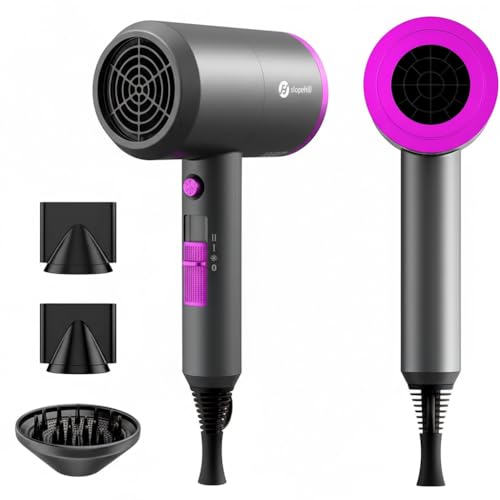
Ionic Hair Dryer: The Complete Guide to Healthier, Faster Hair Drying
Understand how ionic technology transforms your drying routine, reduces frizz, and protects your hair — so you can choose the right dryer with confidence.
Why This Guide Matters: If you're researching ionic hair dryers before buying, you're in the right place. This guide explains the science behind negative ion technology, compares dryer tiers, and gives you practical tips — so you can make an informed purchase decision without guesswork.
What Is an Ionic Hair Dryer?
An ionic hair dryer is a styling tool equipped with a built-in generator that releases negative ions into the airflow. These ions interact with the positively charged water molecules on wet hair, breaking them down into smaller droplets. The result: water evaporates faster, and hair dries more quickly at lower temperatures.
Unlike conventional dryers that rely primarily on heat and airflow, ionic models tackle moisture at the molecular level. This makes them a popular choice for anyone dealing with frizz, static, or heat damage — especially those with thick, coarse, or chemically treated hair. If you're also exploring other heat styling tools, our guide to the ceramic straightener explains complementary technologies worth understanding.
The ionic function is typically controlled by a dedicated switch, allowing you to turn it on or off depending on your styling needs. Most modern ionic dryers combine this with ceramic or tourmaline heating elements to distribute heat evenly and reduce hot spots.
How Does Ionic Technology Work?
To understand the benefit, it helps to know a little about hair structure. Wet hair carries a positive electrical charge due to water molecules. When you blow-dry without ionic technology, these positive charges cause cuticles to lift and hair strands to repel each other — leading to frizz and flyaways.
An ionic dryer emits negative ions that neutralize this positive charge. The water molecules on your hair break into finer particles, which evaporate more quickly. Meanwhile, the hair cuticle lies flatter, sealing in moisture and reflecting light — which is why ionic-dried hair often looks smoother and shinier.
This process also reduces the amount of time you need to expose hair to high heat, lowering the risk of thermal damage. For those who frequently use heat tools, pairing an ionic dryer with a quality hair mask treatment can further protect and nourish strands.
Key Benefits of Ionic Hair Dryers
Faster Drying Time
Negative ions break down water molecules, allowing moisture to evaporate more rapidly. Many users report drying time reduced by up to 30–50% compared to traditional dryers.
Frizz & Static Reduction
By neutralizing positive charges, ionic technology smooths the hair cuticle and minimizes static, leaving hair more manageable and less prone to flyaways.
Enhanced Shine
A flatter cuticle reflects light more effectively, giving hair a natural, healthy-looking shine without the need for additional styling products.
Less Heat Damage
Faster moisture removal means less time under high heat. This reduces the risk of split ends, breakage, and long-term thermal damage.
Better for Color-Treated Hair
Lower heat exposure helps preserve color molecules and prevents premature fading, making ionic dryers a smart choice for dyed or highlighted hair.
Improved Manageability
Smoother hair is easier to brush, style, and maintain throughout the day — a benefit that compounds when combined with a consistent haircare routine.
Who Should Use an Ionic Hair Dryer?
Ionic dryers are particularly beneficial for certain hair types and lifestyles, though almost anyone can benefit from the technology:
- Frizzy or static-prone hair: Ionic technology is most noticeably helpful for those who struggle with unruly, flyaway hair.
- Thick or coarse hair: Faster drying is a major time-saver for dense hair that typically takes long to dry.
- Color-treated or chemically processed hair: Reduced heat exposure helps extend the life of color and treatments.
- Curly or wavy hair: Smoothing the cuticle can make curls more defined and less frizzy.
- Busy professionals: Shorter drying time translates to a faster morning routine.
However, those with very fine or limp hair may find that ionic dryers make hair too flat. In such cases, using the ionic function intermittently or choosing a model with adjustable ion settings is advisable. For a complete styling toolkit, consider pairing your dryer with a curling wand or hot rollers for versatile looks.
How to Choose the Right Ionic Hair Dryer
Not all ionic dryers are created equal. When evaluating options, focus on these features and descriptors rather than price points:
1. Quality Tier
Ionic dryers generally fall into three market tiers. Entry-level models offer basic ionic functionality and are suitable for occasional use. Mid-range dryers typically include adjustable heat and speed settings, a concentrator nozzle, and more durable heating elements. Premium and luxury models often feature advanced brushless motors, multiple ion settings, smart heat control, and lighter builds for extended use.
2. Motor Type
AC motors are more powerful and durable, making them common in salon-grade and premium dryers. DC motors are lighter and more common in entry-level and travel models. Brushless digital motors — found in high-end dryers — offer the best balance of power, efficiency, and longevity.
3. Heat and Speed Settings
Look for at least three heat and two speed settings. Variable controls provide more flexibility for different hair types and styling goals. A cool-shot button is essential for setting your style and sealing the cuticle.
4. Weight and Ergonomics
If you dry your hair frequently, a lighter dryer reduces arm fatigue. Premium models often use compact motors to achieve a better power-to-weight ratio. Ergonomic handles and balanced weight distribution also matter for comfort.
5. Attachments
Concentrator nozzles focus airflow for precise styling, while diffusers distribute air evenly for curly hair. Some premium dryers include comb attachments or gentle-drying accessories.
6. Ionic On/Off Control
A switchable ionic function allows you to turn off the ion generator when styling fine hair or when you want more volume. This flexibility is a hallmark of well-designed mid-range and premium models.
7. Cord Length and Build Quality
A longer cord (typically around 2.5–3 meters on premium models) provides flexibility. Durable housing and quality materials indicate better long-term reliability. For more on selecting styling tools, explore our hair styling kit guide.
Ionic vs. Non-Ionic Hair Dryers
| Feature | Ionic Hair Dryer | Non-Ionic Hair Dryer |
|---|---|---|
| Drying Speed | Faster — ions break down water molecules | Standard — relies on heat and airflow |
| Frizz Control | Excellent — neutralizes static | Limited — cuticles may lift |
| Shine | Enhanced — smoother cuticle | Moderate |
| Heat Exposure | Lower — less time under heat | Higher — longer drying time |
| Best For | Frizzy, thick, color-treated hair | Fine hair needing volume |
| Market Tier Range | Entry-level to Luxury | Entry-level to Mid-range |
Best Practices for Using an Ionic Hair Dryer
- Towel-dry first: Remove excess water with a microfiber towel before blow-drying. This reduces drying time and heat exposure.
- Apply heat protectant: Always use a heat protectant spray or serum before drying. This adds a layer of protection against thermal damage.
- Keep the dryer moving: Hold the dryer at least 15–20 cm from your hair and keep it in motion to avoid concentrating heat on one spot.
- Use the cool shot: Finish each section with a blast of cool air to seal the cuticle and set the style.
- Section your hair: Divide hair into manageable sections using clips. This ensures even drying and reduces total drying time.
- Clean the filter regularly: A clogged filter reduces airflow and forces the motor to work harder. Clean it monthly for optimal performance.
- Adjust ion settings: If your hair feels too flat, turn off the ionic function or use it intermittently. For volume, use the ionic mode less and rely on a round brush.
Consistency matters. Pairing proper blow-drying technique with a nourishing hair oil or hair serum enhances results over time. And don't overlook scalp health — a scalp scrub once a week keeps the scalp balanced and supports healthy hair growth.
Common Mistakes to Avoid
- Using the highest heat setting on wet hair: Start with medium heat and increase gradually. High heat on soaking wet hair can cause damage.
- Holding the dryer too close: This concentrates heat and can scorch the hair. Maintain a safe distance and keep the dryer moving.
- Skipping heat protectant: Even with ionic technology, heat protection is essential for preventing long-term damage.
- Neglecting the filter: A dirty filter reduces efficiency and can cause overheating. Regular maintenance extends the life of your dryer.
- Using ionic mode on fine hair: If your hair is naturally limp, the smoothing effect may work against you. Switch off the ionic function for more volume.
Maintenance Tips for Longevity
To get the most from your ionic hair dryer, follow these simple maintenance practices:
- Unplug the dryer before cleaning.
- Remove lint and hair from the rear filter at least once a month. Many models have a removable filter cap for easy cleaning.
- Wipe the exterior with a slightly damp cloth. Avoid using harsh chemicals or immersing the dryer in water.
- Store the dryer in a dry place, preferably with the cord loosely coiled to prevent kinks.
- Check the cord regularly for signs of wear or damage. Replace the dryer if the cord is frayed.
- If you travel frequently, consider a travel-size ionic dryer or a model with dual voltage. Our travel case guide can help you pack your styling tools safely.
Frequently Asked Questions
Do ionic hair dryers really dry hair faster?
Yes. Negative ions break down water molecules into smaller particles, allowing them to evaporate more quickly. Many users report noticeably shorter drying times compared to conventional dryers.
Are ionic hair dryers safe for all hair types?
They are safe for most hair types, but those with very fine or limp hair may find the smoothing effect reduces volume. Many mid-range and premium models let you turn off the ionic function when needed.
Can ionic dryers cause hair damage?
Ionic technology itself is not damaging; in fact, it reduces heat exposure. However, using high heat without a heat protectant or holding the dryer too close can still cause damage regardless of ionic function.
How often should I clean my ionic hair dryer filter?
Clean the filter at least once a month, or more frequently if you use the dryer daily or have pets. A clean filter ensures optimal airflow and prevents overheating.
Is an expensive ionic hair dryer worth it?
Premium and luxury models typically offer better build quality, more powerful motors, and advanced features like smart heat control and adjustable ion settings. If you dry your hair frequently, the investment often pays off in performance and longevity.
Can I use an ionic hair dryer on my children's hair?
Yes, but use the lowest heat and speed settings. Ionic dryers are generally gentler than conventional dryers, but children's hair is more delicate — always keep the dryer moving and at a safe distance.
Ready to Upgrade Your Hair Drying Routine?
Explore our curated selection of recommended ionic hair dryers below and find the model that fits your hair type and styling needs.