Safety Razor vs Cartridge Razor: Which One is Right for You?
Get a close, comfortable shave while saving money and reducing waste. We compare cost, performance, skin impact, and environmental footprint.
Jump to ComparisonChoosing between a safety razor and a cartridge razor is one of the most debated topics in men's grooming. Both have loyal followings, but which one truly delivers the best shave for your skin and wallet? In this guide, we break down everything you need to know—from upfront costs and blade longevity to shave quality and environmental impact. Whether you're a seasoned wet shaver or a beginner exploring your options, this comparison will help you make a confident decision.
At a Glance: Safety Razor vs Cartridge
🔪 Safety Razor
- Cost per blade: $0.10–$0.50
- Initial investment: $20–$60
- Shave quality: Extremely close, BBS (baby bottom smooth)
- Learning curve: Moderate (2–4 weeks)
- Eco-impact: Low (steel blades recyclable)
- Skin irritation: Less with proper technique
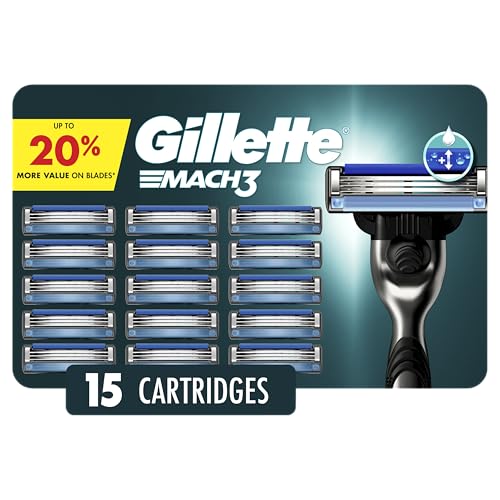
🧴 Cartridge Razor
- Cost per cartridge: $2.50–$5.00
- Initial investment: $10–$20 (handle included)
- Shave quality: Good, but less close
- Learning curve: Minimal (ready to use)
- Eco-impact: High (plastic waste)
- Skin irritation: Higher risk of razor burn
Prices are estimated market averages. Actual costs may vary.
Detailed Comparison: Safety Razor vs Cartridge
1. Cost Over Time
The most significant difference between safety razors and cartridge razors is the long-term cost. A cartridge razor handle is cheap, but replacement blades are expensive—often $3–$5 per cartridge. If you shave daily, that adds up to $150–$250 per year. In contrast, safety razor blades cost $0.10–$0.50 each, bringing your annual blade cost to $15–$40. Even with a higher upfront handle cost, a safety razor pays for itself within the first year. For budget-conscious shavers, the safety razor is the clear winner.
2. Shave Quality & Comfort
Safety razors deliver an exceptionally close shave because the single blade cuts hair at skin level with less tugging. This reduces the chance of ingrown hairs and razor bumps. However, it requires a wet shaving technique—proper lather, angle, and light pressure—to avoid nicks. Cartridge razors are more forgiving: the multiple blades and pivoting head allow for a faster shave with less precision, but they can cause irritation due to the "lift-and-cut" action that pulls hair before cutting, leading to razor burn and ingrowns. For sensitive skin, a safety razor with a mild blade is often the better choice.
3. Environmental Footprint
Cartridge razors are predominantly made of plastic, and the cartridges are rarely recyclable. An estimated 2 billion razors end up in landfills each year. Safety razors are made of durable materials like brass, stainless steel, or chrome-plated metal that last a lifetime. The blades are 100% recyclable steel. For eco-conscious consumers, switching to a safety razor significantly reduces waste. It's a small change that makes a big difference for the planet.
4. Skin Health & Irritation
If you suffer from razor burn, bumps, or ingrown hairs, the type of razor you use can be a major factor. Cartridge razors with 3–5 blades can irritate the skin by cutting hair below the skin line, causing it to curl back and become ingrown. Safety razors, with a single blade, cut hair cleanly at the surface, reducing the risk of ingrowns. Additionally, using a safety razor encourages better pre-shave preparation—like using a quality shaving cream, brush, and warm water—which further protects the skin.
5. Ease of Use & Learning Curve
Cartridge razors are designed for convenience. You can grab one, lather up quickly, and shave in any direction with minimal thought. It's ideal for travel or rushed mornings. Safety razors require a bit of practice: you need to find the right angle (usually 30–45 degrees), use no pressure, and shave with the grain. Most beginners get the hang of it within a week, but those who invest the time often report a more enjoyable, ritualistic shaving experience. If you prefer a no-fuss routine, a cartridge may be better; if you value a close, mindful shave, the safety razor is worth the effort.
6. Travel & Maintenance
Cartridge razors are compact and disposable, making them excellent for travel. However, you need to carry extra cartridges, which take up space. Safety razors are bulkier due to the handle, but you can pack a few blades in a small case. Maintenance: cartridges are throwaway; safety razors require occasional cleaning and blade replacement. Both are low-maintenance, but the safety razor's durability makes it a long-term companion.
🧑⚖️ Expert Verdict: Which Should You Choose?
Choose a Safety Razor if: You want the closest shave, are willing to learn a new skill, care about the environment, and want to save money in the long run. It's also the best option for sensitive skin and preventing ingrown hairs.
Choose a Cartridge Razor if: You prioritize convenience, speed, and a no-nonsense shave. It's great for beginners or those who shave infrequently and don't mind the higher cost and plastic waste.
Still unsure? Many wet shavers start with a cartridge and then transition to a safety razor. You can also learn proper shaving techniques to improve results with either tool.