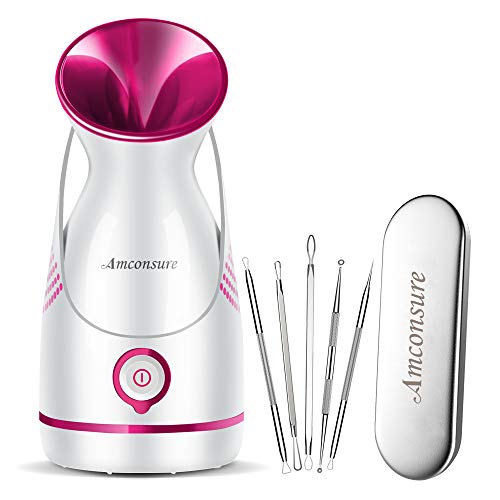
Facial Steamer Guide
Unlock the secret to deep-cleansed, hydrated, and glowing skin with the ultimate facial steamer guide. Learn how to choose, use, and benefit from this powerful skincare device.
Why Add a Facial Steamer to Your Routine?
A facial steamer is more than a luxury – it's a game-changer for your skincare routine. By emitting a warm, fine mist, it opens pores, softens blackheads, and boosts product absorption. Whether you have oily, dry, or combination skin, steaming can elevate your glow.
Top Benefits of Using a Facial Steamer
Deep Cleansing
Steam softens sebum and dirt, making it easier to remove impurities.
Hydration Boost
Fine mist increases skin's moisture levels, leaving it plump and fresh.
Better Absorption
Warm steam helps serums and moisturizers penetrate deeper.
Glowing Complexion
Improved circulation gives your skin a natural, radiant glow.
How to Use a Facial Steamer Correctly
Step-by-Step Guide
- Cleanse: Start with a gentle face wash to remove surface makeup and dirt.
- Fill & Heat: Fill the steamer with distilled water and turn it on. Wait for the mist to form.
- Steam: Position your face 10-12 inches from the nozzle. Steam for 5-10 minutes, depending on your skin's sensitivity.
- Extract: Gently extract blackheads or whiteheads with a comedone extractor (optional).
- Mask & Moisturize: Apply a hydrating face mask or follow with your favorite serum and moisturizer.
Pro Tips for Best Results
- Don't over-steam: 10 minutes is enough. Over-steaming can dry out sensitive skin.
- Use distilled water: Tap water may leave mineral deposits and clog the device.
- Follow with a mask: Steaming makes sheet masks and clay masks more effective.
- Never steam broken skin: Avoid steaming if you have active acne, rosacea, or sunburn.
- Always moisturize: Lock in the hydration with a rich night cream or face oil.
Is a Facial Steamer Right for You?
Ideal Skin Types
- Oily & Acne-Prone: Steam helps unclog pores and reduce breakouts.
- Dry & Dehydrated: The mist adds hydration and preps skin for moisture.
- Dull & Tired: Boosts circulation for a brighter, healthier look.
- Mature Skin: Improves elasticity and helps anti-aging products absorb better.
When to Avoid Steaming
- Active rosacea or facial redness
- Severe acne with open lesions
- Recent chemical peels or laser treatments
- Very sensitive or easily irritated skin
- Sunburned or damaged skin
If unsure, consult a dermatologist before incorporating steaming into your routine.
How to Choose the Best Facial Steamer
Key Features to Consider
- Mist Type: Nano-ionic steamers produce finer particles that absorb better.
- Water Tank Capacity: Larger tanks allow longer steaming sessions.
- Auto Shut-off: Safety feature that turns the device off when water runs out.
- Adjustable Steam: Some models allow you to control steam intensity.
- Additional Functions: Some steamers include aromatherapy or warm mist options.
Price & Value Guide
- Budget ($30–$60): Basic steamers with standard mist and small tanks.
- Mid-Range ($60–$150): Nano-ionic technology, larger tanks, and better build.
- Premium ($150+): Professional-grade steamers with advanced features and multiple settings.
For most home users, a mid-range steamer offers the best balance of performance and price.
Safety & Maintenance Tips
Safe Steaming Practices
- Always test the steam temperature on your wrist before using.
- Keep the steamer at least 10 inches away from your face.
- Never steam longer than 10 minutes per session.
- Limit steaming to 2-3 times per week for most skin types.
Cleaning Your Steamer
- Use distilled water to prevent mineral buildup.
- Clean the tank with a vinegar-and-water solution monthly.
- Wipe the nozzle and exterior with a soft cloth.
- Always empty and dry the tank after each use to prevent mold.
Frequently Asked Questions
Can I use tap water?
It's best to use distilled or purified water to avoid mineral deposits that can damage the steamer and leave residue on your skin.
How often should I steam?
For most skin types, 1-2 times per week is ideal. Oily skin may benefit from up to 3 times, while sensitive skin should stick to once a week.
Is steaming safe during pregnancy?
Generally yes, but avoid using essential oils in the steamer. Always consult your doctor if you have specific concerns.
Can I add essential oils to my steamer?
Only if the steamer has a dedicated aromatherapy tray. Adding oils directly to the water tank can damage the device.
Enhance Your Steaming Routine
After steaming, try a facial roller or gua sha to boost circulation and lymphatic drainage. For deep exfoliation, follow with a gentle exfoliating scrub. Pair your steamer with a facial cleansing brush for the ultimate home spa experience. And don't forget to protect your newly cleansed skin with a quality sunscreen during the day.