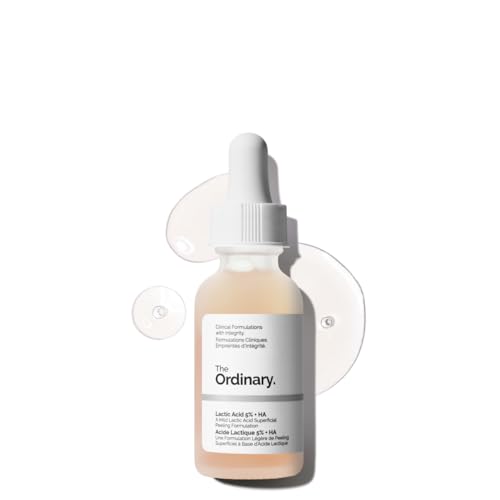
Gentle Exfoliator for Dry Skin: The Complete Guide
Learn how to safely remove dead skin cells, boost hydration, and restore a healthy glow without triggering irritation, flaking, or tightness.
Why gentle exfoliation matters for dry skin: Dry skin already has a compromised barrier, so harsh scrubs and aggressive acids can do more harm than good. This guide explains which exfoliants are safe, how often to use them, and how to layer them with hydrating products for the best results.
Why Dry Skin Needs Exfoliation (But Not Too Much)
Dry skin accumulates dead cells on the surface because natural cell turnover slows down when the skin lacks water and lipids. This buildup can make the complexion look dull, rough, and flaky, and it also prevents moisturizers and serums from absorbing properly. Gentle exfoliation helps remove this layer, allowing hydrating ingredients to penetrate more effectively and giving the skin a smoother, brighter appearance.
However, dry skin is more vulnerable than oily or normal skin. The protective barrier is already weakened, so abrasive scrubs, high-percentage acids, or overly frequent exfoliation can strip away essential lipids and cause redness, stinging, and even more dryness. The key is to choose the right type of exfoliant, use it sparingly, and always follow with barrier-repairing hydration. If your skin is also sensitive, consider pairing exfoliation with a face cream for sensitive skin to calm and protect the skin afterward.
Chemical vs. Physical Exfoliants: Which Is Better for Dry Skin?
There are two main categories of exfoliants: chemical (acids and enzymes) and physical (scrubs and brushes). For dry skin, chemical exfoliants are generally the safer choice because they dissolve dead cells without friction. Physical scrubs made with coarse particles like walnut shells or large salt crystals can create micro-tears and irritate dry, fragile skin.
Chemical Exfoliants (Recommended)
- Lactic Acid: A mild AHA that gently dissolves dead cells while attracting moisture to the skin. Ideal for dry and sensitive types.
- Mandelic Acid: A larger-molecule AHA that penetrates slowly, making it one of the gentlest options for dry or reactive skin.
- Low-Percentage Glycolic Acid: Effective but potentially irritating at high concentrations. Look for formulas under 5% for dry skin.
- Enzyme Exfoliants (Papaya, Pineapple): Digest dead skin cells without acids, suitable for very sensitive or reactive skin.
- PHA (Polyhydroxy Acids): Larger molecules that exfoliate only the surface layer and are extremely gentle, often combined with hydrating ingredients.
Physical Exfoliants (Use With Caution)
- Jojoba Beads or Soft Synthetic Beads: Rounded and smooth, less likely to cause micro-tears than jagged particles.
- Konjac Sponges: Very gentle daily option for removing surface flakes without abrasion.
- Avoid: Walnut shells, apricot kernels, coarse sugar or salt scrubs, and stiff bristle brushes—these are too aggressive for dry skin.
💡 Quick Tip
If you prefer a physical exfoliant, look for formulas labeled "gentle," "cream-based," or "for sensitive skin," and use light pressure with your fingertips only. Never scrub aggressively or use a brush with stiff bristles on dry skin.
How to Choose a Gentle Exfoliator for Dry Skin
When shopping for an exfoliator, read the ingredient list and consider your skin's sensitivity level. The best formula for dry skin should combine exfoliating agents with hydrating and soothing ingredients so the skin is not left tight or stripped after use.
| Product Tier | Typical Features | Best For |
|---|---|---|
| Entry-Level | Basic lactic acid or PHA formulas, minimal extras, simple ingredient lists | First-time exfoliator users, very sensitive skin, occasional use |
| Mid-Range | Lactic acid plus ceramides, hyaluronic acid, or soothing botanicals | Regular weekly routine, combination dry skin, mild flaking |
| Premium | Multi-acid blends (lactic + mandelic + PHA), encapsulated delivery, barrier-support complex | Experienced exfoliator users, stubborn texture, dullness |
| Luxury | Clinical-grade formulations, advanced delivery systems, extensive soothing and hydrating complexes | Those seeking maximum efficacy with minimal irritation risk |
Look for formulas that also include moisturizing ingredients for dry sensitive skin such as glycerin, ceramides, squalane, or panthenol. These help offset the drying potential of exfoliation and support the skin barrier during the process.
A Step-by-Step Gentle Exfoliation Routine
Follow these steps to exfoliate dry skin safely and effectively. This routine can be done once or twice per week, depending on your skin's tolerance.
- Start with a gentle cleanser. Wash your face with a non-foaming, hydrating cleanser to remove surface dirt without stripping. Pat dry gently with a soft towel. If you need a recommendation, see our guide to a gentle face cleanser.
- Apply the exfoliator to dry or slightly damp skin. Follow the product instructions—some chemical exfoliants work best on dry skin, while others can be applied to damp skin. Use a thin, even layer and avoid the eye area.
- Leave on for the recommended time. Most chemical exfoliants should stay on for 5–10 minutes (or as directed). Do not leave them on longer than instructed, as this increases irritation risk.
- Rinse thoroughly (if required). Some leave-on exfoliants do not require rinsing, but rinse-off formulas should be removed with lukewarm water. Avoid hot water, which further dries the skin.
- Hydrate immediately. Apply a hydrating toner such as face toner for dry skin, followed by a serum and a rich moisturizer. This step is critical for replenishing the barrier after exfoliation.
- Use sunscreen daily. AHAs can increase sun sensitivity, so apply a broad-spectrum sunscreen every morning—even on days you do not exfoliate.
⚠️ Warning
Do not combine multiple exfoliants (e.g., a glycolic acid toner plus a physical scrub) in the same routine. Do not exfoliate if your skin is cracked, peeling, sunburned, or actively irritated. Always patch-test new exfoliators on a small area before applying to the full face.
Common Mistakes to Avoid When Exfoliating Dry Skin
- Exfoliating too often: Once or twice a week is enough for most dry skin types. More frequent use can damage the barrier and increase water loss.
- Using harsh physical scrubs: Coarse particles create micro-tears that lead to irritation and inflammation. Choose soft, rounded beads or enzyme formulas instead.
- Skipping moisturizer afterward: Exfoliation temporarily increases water loss, so immediate hydration is essential to prevent tightness and flaking.
- Combining exfoliants with retinoids: If you use a retinoid, alternate nights and avoid using strong acids on the same evening. For more on building a safe routine, see our minimalist skincare guide.
- Ignoring sun protection: AHAs and BHAs can make skin more photosensitive. Daily SPF is non-negotiable.
- Exfoliating irritated or broken skin: Wait until the skin has healed before resuming exfoliation.
Complementary Products for Dry Skin Care
Exfoliation is only one part of a complete dry skin routine. Pair your exfoliator with products that reinforce hydration and barrier repair. A good moisturizer for dry skin is essential, and adding a face serum with hyaluronic acid or niacinamide can further support moisture retention.
For body care, if you experience dryness on your hands or feet, consider a hand cream for dry hands and a foot cream for dry feet to maintain softness. Those with sensitive or reactive skin may also benefit from exploring non-toxic skincare options and reading our clean beauty guide to avoid potentially irritating ingredients.
Frequently Asked Questions
How often should I exfoliate dry skin?
For most dry skin types, gentle exfoliation once or twice per week is sufficient. Over-exfoliating can strip the skin barrier and increase dryness, so start slow and observe how your skin responds. If you are new to exfoliation, begin once per week and increase only if your skin tolerates it well.
What is the best type of exfoliator for dry skin?
Chemical exfoliants like lactic acid, mandelic acid, and low-percentage glycolic acid are generally better for dry skin than harsh physical scrubs because they dissolve dead cells without abrasive friction. PHAs and enzyme exfoliants are also excellent choices for very sensitive skin.
Can exfoliating make dry skin worse?
Yes, if you use overly abrasive scrubs, exfoliate too frequently, or combine multiple exfoliants at once, the skin barrier can become compromised, leading to more dryness, irritation, and sensitivity. Always choose gentle formulas and follow with hydrating products.
Should I exfoliate before or after moisturizing?
Exfoliate on clean, dry skin before applying moisturizer. Follow with a hydrating toner, serum, and a rich moisturizer to replenish the skin barrier immediately after exfoliation. This sequence ensures maximum absorption of hydrating ingredients.
Can I use a physical scrub if I have dry skin?
You can, but choose very gentle options with smooth, rounded particles such as jojoba beads or a konjac sponge. Avoid coarse scrubs with walnut shells, apricot kernels, or large salt crystals, as these can cause micro-tears and worsen dryness.