Your Complete Guide to Lip Balm
Discover everything you need to know about lip balm—from types and ingredients to how to choose the best one for soft, healthy, and hydrated lips.
What Is Lip Balm and Why Do You Need It?
Lip balm is a wax-like substance applied topically to the lips to moisturize and relieve chapped or dry lips. Unlike other parts of your skin, lips lack oil glands, making them more susceptible to dryness, cracking, and environmental damage. A quality lip balm forms a protective barrier that locks in moisture and shields lips from harsh weather conditions, wind, and sun exposure.
Whether you're dealing with seasonal dryness, frequent licking of lips, or simply want to maintain a healthy pout, incorporating lip balm into your daily skincare routine is essential. For an even more comprehensive lip care, you might also explore lip gloss or lip liner for added style and definition.
Types of Lip Balm: Which One Is Right for You?
Not all lip balms are created equal. Depending on your needs, lifestyle, and preferences, one formulation may work better for you than another. Here's a breakdown of the most common types:
1. Classic Wax-Based Balms
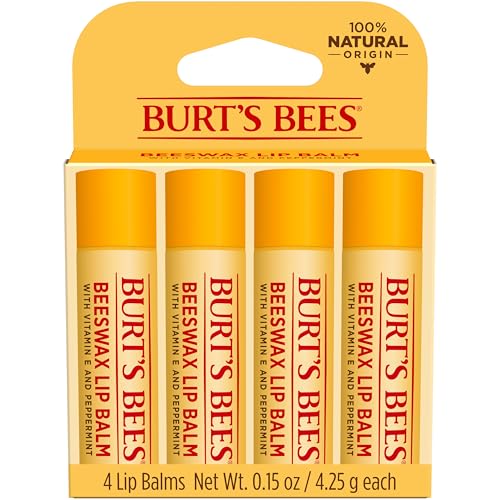
These traditional balms use beeswax or plant-based waxes like carnauba or candelilla to create a physical barrier on the lips. They are excellent for locking in moisture and protecting against wind and cold. They often contain oils and butters for added hydration. Ideal for everyday use and outdoor activities.
2. Natural and Organic Lip Balms
For those seeking clean beauty options, natural lip balms are formulated with plant-derived ingredients like shea butter, cocoa butter, coconut oil, and essential oils. They avoid synthetic fragrances, parabens, and petroleum-based ingredients. If you're interested in exploring more natural alternatives, check out our guide on natural beauty and organic face cream for a holistic approach to skincare.
3. Medicated Lip Balms
Medicated balms contain active ingredients such as camphor, menthol, or phenol, which provide a cooling sensation and can help relieve severe dryness or cracked lips. They are often recommended for temporary use during extreme weather conditions or when lips are severely chapped. However, use them sparingly, as some ingredients can cause irritation with prolonged use.
4. Tinted Lip Balms
Tinted lip balms combine moisturizing benefits with a sheer wash of color. They are a great alternative to heavy lipsticks for a natural, everyday look. If you love a pop of color, you might also enjoy exploring our recommendations for lipstick and lip stain for more vibrant options.
5. SPF Lip Balms
Lips are highly susceptible to sun damage, which can lead to premature aging and even skin cancer. SPF lip balms offer sun protection while keeping lips hydrated. Look for broad-spectrum SPF 15 or higher. For full-body sun protection, don't forget to browse our sunscreen and body sunscreen guides.
Key Ingredients to Look For (and Avoid) in Lip Balm
Understanding ingredients is crucial for choosing the right lip balm. Here are some of the most beneficial ingredients and a few to be cautious about.
🥥 Coconut Oil
Rich in fatty acids, deeply moisturizing, and has antimicrobial properties.
🧈 Shea Butter
Packed with vitamins A and E, soothes and nourishes dry, cracked lips.
🍯 Beeswax
Creates a protective barrier, locks in moisture, and provides a smooth texture.
💧 Hyaluronic Acid
A humectant that draws moisture to the lips, keeping them plump and hydrated. Learn more about it in our hyaluronic acid guide.
🌿 Vitamin E
An antioxidant that helps repair damaged skin and prevents moisture loss.
🍃 Jojoba Oil
Mimics natural skin oils, absorbs easily, and provides long-lasting hydration.
Ingredients to Avoid
- Petrolatum & Mineral Oil: Can feel heavy and may not provide deep hydration; they simply create a barrier without delivering nutrients.
- Artificial Fragrances: Can cause irritation, especially on sensitive lips. Opt for fragrance-free or naturally scented options.
- Camphor, Menthol, Phenol (in high doses): Can provide temporary relief but may cause dryness and irritation with overuse. Use medicated balms sparingly.
- Parabens: Chemical preservatives that have been linked to potential health concerns. Choose paraben-free formulations.
How to Choose the Best Lip Balm for Your Needs
With so many options on the market, choosing the right lip balm can be overwhelming. Here are some key considerations to help you make an informed decision:
- Identify Your Primary Need: Are you dealing with dry, chapped lips? Do you need sun protection? Are you looking for a tinted option for daily wear? Understanding your main concern will narrow down your choices.
- Check the Ingredient List: Look for nourishing butters and oils (like shea, cocoa, coconut) and humectants (like hyaluronic acid or glycerin). Avoid harsh chemicals and potential irritants.
- Consider Texture and Feel: Some prefer a lightweight, non-greasy formula, while others like a thicker, more occlusive balm. Read reviews to get a sense of the texture.
- SPF Protection: If you spend time outdoors, opt for a lip balm with at least SPF 15. This is especially important during summer and winter sports.
- Brand Reputation and Certifications: Look for brands that prioritize quality and transparency. Certifications like organic, cruelty-free, or vegan can also be helpful indicators of a product's integrity. For more insights on clean beauty, explore our clean beauty guide.
- Price Point: Lip balms come in a wide price range. While expensive doesn't always mean better, very cheap options might compromise on quality. Choose a product that fits your budget but also meets your ingredient standards.
Lip Balm Comparison: Features at a Glance
This table compares different types of lip balms to help you quickly decide which one suits your needs.
| Type | Best For | Key Ingredients | Texture | SPF Available |
|---|---|---|---|---|
| Wax-Based | Everyday protection, outdoor use | Beeswax, coconut oil, vitamin E | Thick, occlusive | Yes |
| Natural/Organic | Clean beauty, sensitive skin | Shea butter, jojoba oil, essential oils | Light to medium | Some |
| Medicated | Severe chapping, cracked lips | Camphor, menthol, phenol | Medium, cooling | Limited |
| Tinted | Daily color + hydration | Natural oils, pigments, vitamin E | Light, smooth | Some |
| SPF Lip Balm | Sun protection, outdoor activities | Avobenzone, octinoxate, shea butter | Light to medium | Yes (SPF 15+) |
Tips for Maintaining Healthy, Beautiful Lips
In addition to using a good lip balm, here are some simple habits that can significantly improve the health and appearance of your lips:
- Stay Hydrated: Drink plenty of water throughout the day to keep your body and lips hydrated from within.
- Exfoliate Gently: Use a lip scrub or a soft toothbrush to gently remove dead skin cells once a week. This allows balms to penetrate more effectively.
- Avoid Licking Your Lips: Saliva evaporates quickly, causing lips to become even drier. Break this habit for healthier lips.
- Apply Balm Before Bed: Nighttime is a critical time for repair. Apply a thick layer of balm or a nourishing lip mask before sleeping.
- Protect from the Elements: In cold, windy, or sunny weather, always apply a protective layer of lip balm with SPF.
- Be Mindful of Ingredients in Lipsticks: Some lipsticks can be drying. Consider using a hydrating lipstick or applying a lip balm underneath. Check out our makeup section for more tips on choosing hydrating cosmetics.
Frequently Asked Questions About Lip Balm
How often should I apply lip balm?
You should apply lip balm as often as needed, especially when you feel your lips becoming dry. A good rule of thumb is to apply every 2-3 hours, and always after eating, drinking, or being outdoors.
Can you overuse lip balm?
Overusing lip balm can sometimes lead to dependency, where your lips feel dry without it. However, this is often due to the type of balm used. Choose nourishing, non-irritating balms and maintain a balanced lip care routine.
Is it bad to use lip balm with SPF every day?
No, it is actually beneficial to use SPF lip balm daily, just like you would with facial sunscreen. It protects your lips from UV damage, which can cause premature aging and increase the risk of skin cancer.
What's the difference between lip balm and lip gloss?
Lip balm is primarily for hydration and protection, often with a matte or neutral finish. Lip gloss is designed for shine and sometimes color, though it may also contain moisturizing ingredients. You can layer both for a hydrated and glossy look. For more information, see our lip gloss guide.
Can lip balm help with chapped lips in winter?
Yes, lip balm is essential for winter lip care. Look for thick, occlusive balms with ingredients like beeswax, shea butter, and lanolin to create a protective barrier against cold, dry air.