
Face Toner: The Essential Step for Balanced, Radiant Skin
Discover why a quality toner is a game-changer in any skincare routine. From hydration to exfoliation, learn how to choose and use the perfect formula for your unique skin needs.
FIND YOUR TONERThink toner is just colored water? Modern formulas have evolved far beyond the harsh, alcohol-laden astringents of the past. Today's best face toners are packed with active ingredients that prep your skin, balance pH, deliver hydration, and target specific concerns like acne, dullness, and fine lines. It's the bridge between cleansing and treatment.
What Exactly Is a Face Toner?
A face toner is a water-like liquid designed to be applied after cleansing and before serums or moisturizers. Its primary role is to remove any residual impurities, balance the skin's pH, and prepare the skin to absorb subsequent products more effectively. Depending on the formulation, it can also hydrate, exfoliate, or soothe the skin.
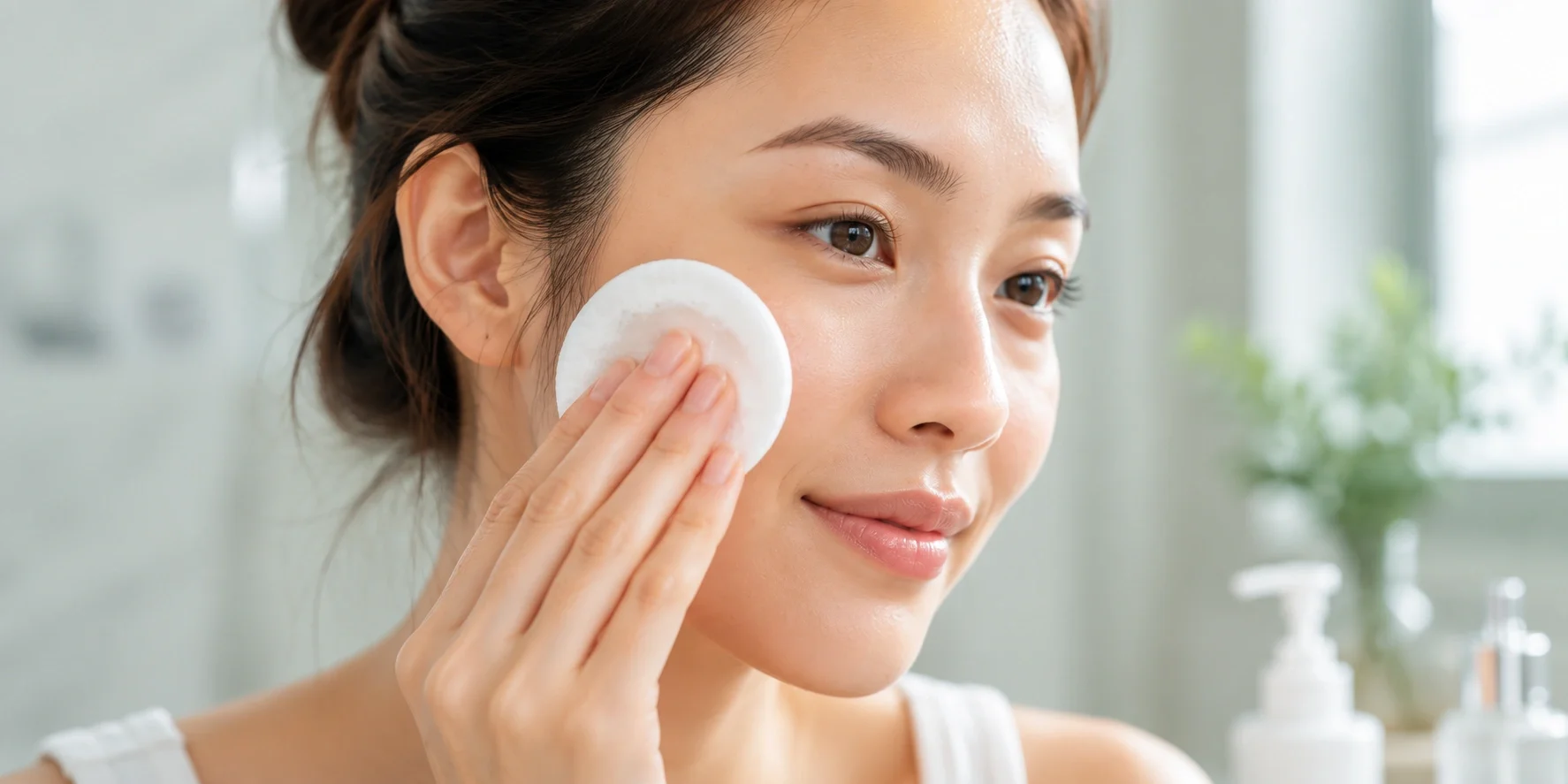
After using a face wash, your skin's natural acidic mantle can be temporarily disrupted. A good toner helps restore this balance almost instantly, which is crucial for maintaining a healthy skin barrier and preventing issues like dryness or excess oil production.
Key Benefits at a Glance
- Deep Cleanses Pores: Removes leftover makeup, dirt, and oil that your cleanser might have missed.
- Balances pH Levels: Restores the skin's optimal slightly acidic pH (around 5.5) after washing.
- Boosts Hydration: Many modern toners are packed with humectants like hyaluronic acid and glycerin for a dewy finish.
- Preps Skin for Serums: Damp, toned skin absorbs face serums and moisturizers up to 30% better.
- Targets Specific Concerns: Formulas exist for acne, aging, hyperpigmentation, and sensitivity.
Navigating the World of Toners: Which Type Is Yours?
Not all toners are created equal. Choosing the wrong one can disrupt your skin barrier, while the right one can transform your complexion. Here’s how to differentiate them.
1. Hydrating Toners
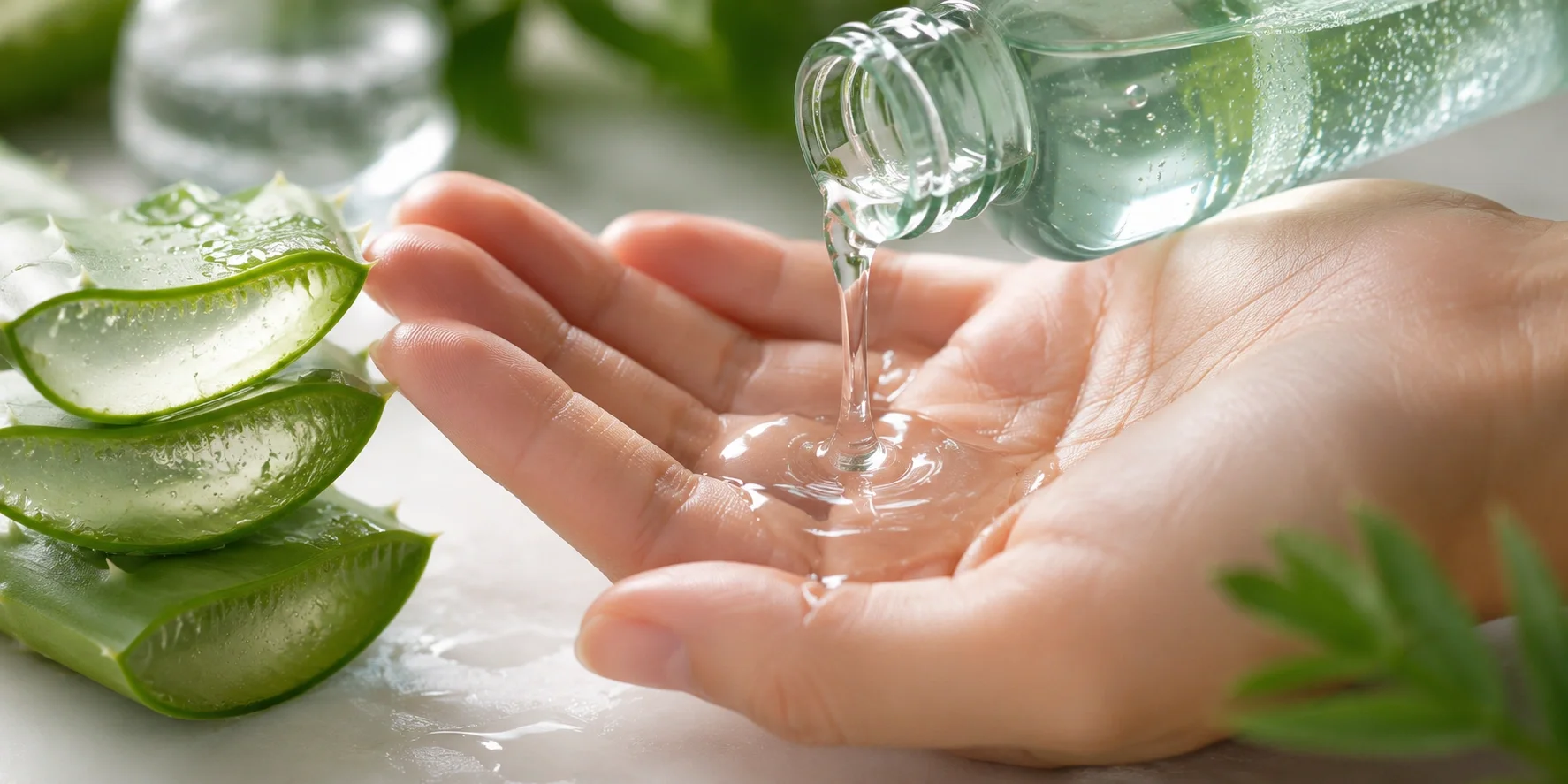
These are the most common and gentle type, designed to replenish moisture right after cleansing. They are typically water-based and contain humectants and emollients.
Best for: Dry, dehydrated, normal, and sensitive skin.
Key Ingredients: Hyaluronic acid, glycerin, aloe vera, rose water, and ceramides. If you prefer a natural route, an organic toner with these ingredients can be exceptionally soothing.
2. Exfoliating Toners
These toners use active acids to remove dead skin cells, unclog pores, and smooth skin texture. They are a powerful step for achieving a brighter, more even complexion but must be used with care.
Best for: Oily, acne-prone, and dull skin with uneven texture.
Key Ingredients: AHAs (glycolic, lactic acid), BHAs (salicylic acid), and PHAs. If you're new to acids, start slowly and always follow with sunscreen the next day. Consider an exfoliating scrub for a physical alternative on non-toner days.
3. Astringent Toners
Traditional toners designed to strip oil and tighten pores. Modern formulations are much gentler, but those with very oily skin may still benefit from their deep-cleaning action. Avoid formulas with high concentrations of denatured alcohol.
Best for: Very oily and acne-prone skin (use sparingly).
Key Ingredients: Witch hazel, tea tree oil, salicylic acid. For a soothing alternative, explore tea tree oil products known for their antibacterial properties.
4. Essence & Treatment Toners
A hybrid between a toner and a serum, these are highly concentrated with active ingredients to target specific aging or pigmentation concerns. They often have a slightly viscous texture.
Best for: Mature skin, hyperpigmentation, and dullness.
Key Ingredients: vitamin C, niacinamide, peptides, and fermented extracts. These formulas often pair well with a daily day cream for enhanced protection.
How to Choose the Right Toner for Your Skin Type
Oily & Acne-Prone Skin
Opt for an exfoliating toner with salicylic acid (BHA) to penetrate pores and dissolve excess sebum. Niacinamide is another excellent ingredient to regulate oil. Avoid occlusive formulas. A micellar water can be a gentle first-cleanse option before your toner.
Dry & Dehydrated Skin
Look for hydrating toners rich in hyaluronic acid, glycerin, and aloe vera. Milky or essence-like textures are your best friend. Layer it multiple times (the "7-skin method") for a deep, plumping boost before your face oil.
Sensitive Skin
Avoid fragrance, alcohol, and strong acids. Choose soothing, minimal-ingredient formulas with centella asiatica, chamomile, or rose water. Always patch-test. A calming sheet mask can provide additional relief after toning.
Dull or Uneven Skin
Incorporate a brightening toner with AHAs like glycolic or lactic acid, or antioxidants like vitamin C. These will accelerate cell turnover to reveal a more radiant complexion over time.
Mastering the Application: Pads vs. Hands
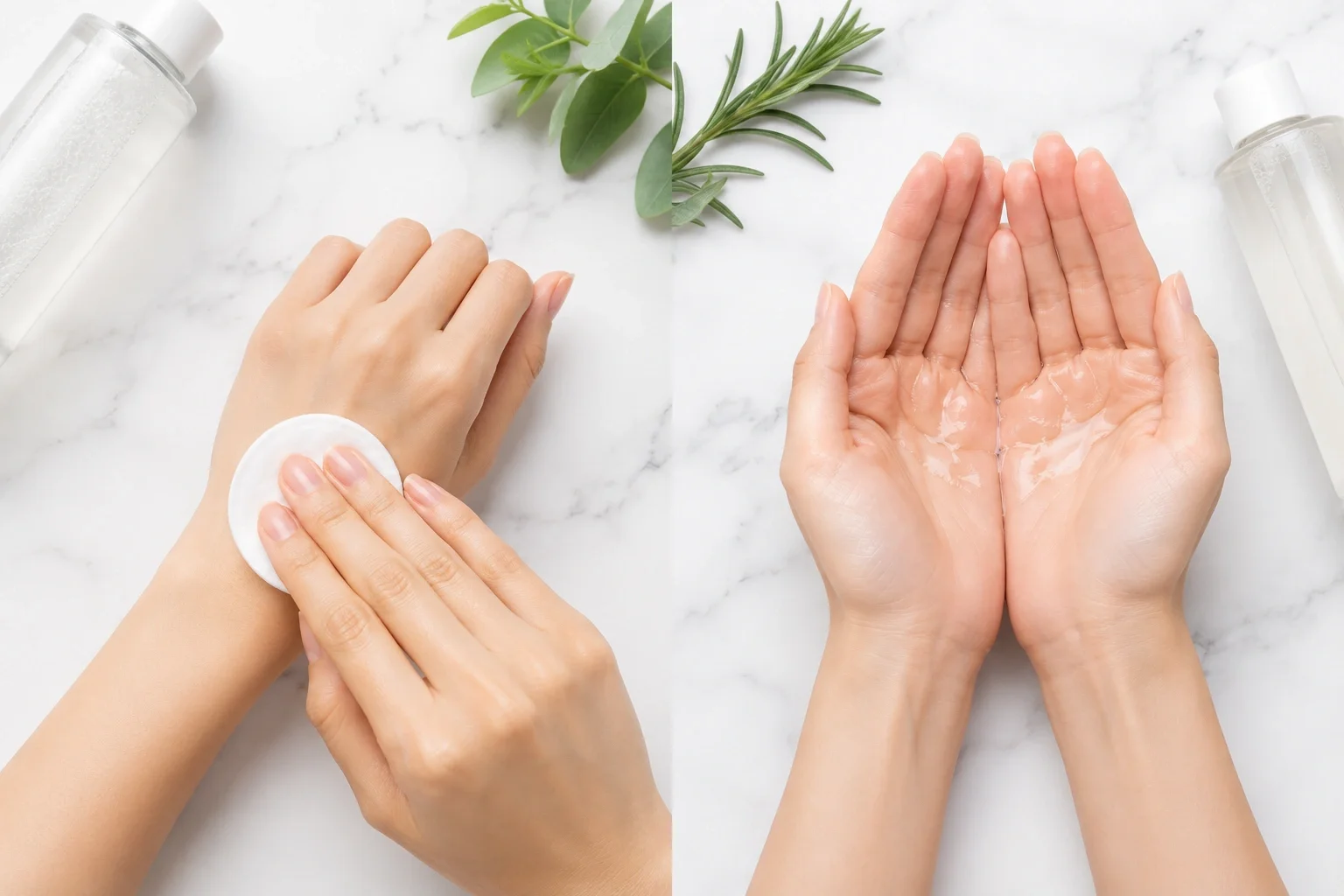
There are two effective ways to apply toner, and the best method often depends on your formula and goal:
- With a Cotton Pad: Ideal for exfoliating or astringent toners as it provides gentle physical exfoliation and ensures even coverage. Swipe gently across the face and neck, avoiding the eye area. This method also helps pick up any last traces of makeup.
- With Bare Hands: The preferred method for hydrating and essence toners. Pour a few drops into your palms, gently press them together, and pat the product directly onto your skin. This warmth aids absorption and avoids wasting precious product on a cotton pad.
Pro Tip: Apply your eye cream and serums while your skin is still slightly damp from the toner for a superior hydration lock.
Understanding pH and Star Ingredients
A toner's pH is critical. Healthy skin has a pH of about 4.7–5.75. A good toner should help restore this balance, not disrupt it. Exfoliating acids work best at a pH of 3–4, while hydrating toners should stay close to skin's natural pH. Here are some powerhouse ingredients to look for on your label:
- Hyaluronic Acid: A humectant that holds 1,000 times its weight in water, for intense surface hydration.
- Niacinamide (Vitamin B3): Minimizes pores, regulates oil, and improves uneven skin tone.
- Salicylic Acid (BHA): An oil-soluble acid that decongests pores and calms inflammation.
- Glycolic Acid (AHA): Water-soluble, brilliant for surface exfoliation and radiance.
- Rose Water & Aloe Vera: Natural soothers perfect for calming redness and irritation, often found in green tea skincare alternatives.
3 Common Face Toner Mistakes to Avoid
1. Using an Alcohol-Based Toner on Dry Skin: This will strip your barrier and cause long-term damage. Always check the ingredients list.
2. Over-Exfoliating: Using an acid toner twice daily from day one is a recipe for a damaged moisture barrier. Start with 2-3 times a week and build up.
3. Skipping Moisturizer: Toner hydrates and preps, but it doesn't seal in moisture. Always follow with a night cream or daily moisturizer to lock in the benefits.


