Microneedling Guide: Benefits, Risks, Results & Products
Discover how microneedling (collagen induction therapy) works, its benefits for skin rejuvenation, what to expect from treatments, and the best products to enhance your results.
Microneedling, also known as collagen induction therapy or skin needling, is one of the most effective minimally invasive treatments for skin rejuvenation. Whether you’re looking to reduce fine lines, improve acne scars, or simply boost your skin’s radiance, microneedling offers impressive results with minimal downtime.
This guide covers everything you need to know: from how it works and the benefits to choosing between at-home devices and professional treatments, understanding the risks, and selecting the right products to complement your microneedling routine.
What Is Microneedling?
Microneedling is a cosmetic procedure that uses tiny, sterilized needles to create microscopic punctures in the top layer of the skin. This controlled injury triggers the body’s natural wound-healing process, stimulating the production of collagen and elastin — the proteins responsible for firm, youthful-looking skin.
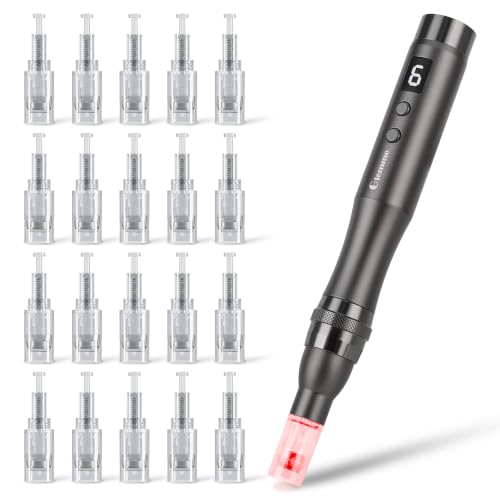
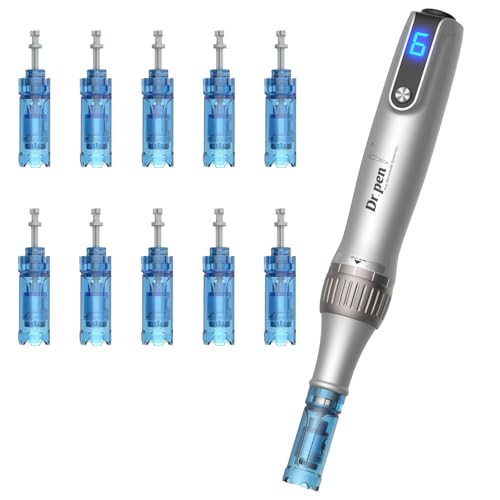
Modern microneedling devices include derma rollers (handheld rollers with small needles) and derma pens (automated pen-like devices with disposable needle cartridges). Both are effective, though derma pens generally offer more precision and less discomfort.
💡 Key Benefit: Microneedling also enhances the absorption of skincare products by up to 80%, making your face serum or vitamin C serum significantly more effective when applied immediately after treatment.
Benefits of Microneedling
✨ Reduces Fine Lines & Wrinkles
By boosting collagen production, microneedling effectively softens expression lines and crow’s feet, giving the skin a smoother, more youthful appearance.
🧴 Improves Acne Scars & Texture
Microneedling breaks down old scar tissue and encourages new, healthy skin cells to form, making it one of the best treatments for atrophic acne scars and uneven skin texture.
🌞 Fades Hyperpigmentation & Sun Damage
Regular microneedling can help fade dark spots, melasma, and sun damage by promoting skin cell turnover and distributing melanin more evenly.
💧 Enhances Product Absorption
Micro-channels created during treatment allow active ingredients in your hyaluronic acid or retinol products to penetrate deeper, maximizing their effectiveness.
At-Home vs Professional Microneedling
One of the biggest decisions you’ll make is whether to use an at-home device or visit a professional. Both have their place, but they differ significantly in needle depth, results, and safety.
| Feature | At-Home Microneedling | Professional Microneedling |
|---|---|---|
| Needle Depth | 0.2–0.5 mm | 0.5–2.5 mm |
| Results | Gradual improvement over time | Dramatic, faster results |
| Downtime | Minimal (1–2 days) | 3–5 days (redness, peeling) |
| Pain Level | Mild (numbing cream optional) | Moderate (numbing cream applied) |
| Cost | $20–$200 (device) | $200–$800+ per session |
| Best For | Maintenance, mild concerns | Deep scars, advanced aging |
🔍 Our Verdict: For most people, a combination works best — professional sessions for significant concerns (2–3 times a year) and at-home treatments for maintenance between appointments. Always consult a dermatologist before starting.
How to Choose the Right Microneedling Device
With so many options on the market, selecting the right device can feel overwhelming. Here’s what to look for:
- Needle length: For at-home use, stick to 0.2–0.5 mm. Anything deeper should only be used by a professional.
- Sterility: Choose devices with replaceable, single-use needle cartridges to prevent infection.
- Build quality: Stainless steel or titanium needles are durable and less likely to cause irritation.
- Brand reputation: Stick to well-reviewed brands like Dr. Pen, Derminator, or BeautyBio.
Remember, even with the best device, proper aftercare is essential. Always follow up with a soothing face mask or a high-quality eye cream to support recovery.
Risks, Side Effects & Safety Tips
Microneedling is generally safe when performed correctly, but it’s not without risks. Being aware of potential side effects helps you take the right precautions.
- Common side effects: Redness, mild swelling, and sensitivity (subside within 1–3 days).
- Less common: Bruising, pinpoint bleeding, or temporary darkening of the skin (hyperpigmentation).
- Rare but serious: Infection, scarring, or granulomas (if needles are contaminated or technique is poor).
⚠️ Important Safety Tips:
- Never share your microneedling device.
- Disinfect the device with 70% alcohol before and after each use.
- Avoid microneedling over active acne, cold sores, or open wounds.
- Do not use if you have a compromised immune system or are taking blood thinners.
- Always apply sunscreen (SPF 50+) after treatment, as your skin is more sensitive to UV damage.
Post-Microneedling Skincare Routine
What you do after microneedling determines the quality of your results. Follow this step-by-step aftercare guide for optimal healing:
- First 24 hours: Avoid cleansing the face. Use only a gentle, fragrance-free spray or thermal water to soothe the skin.
- Day 2–3: Wash with a mild, non-foaming cleanser (e.g., face wash for sensitive skin). Pat dry — do not rub.
- Hydration is key: Apply a hyaluronic acid serum or soothing gel to calm inflammation. Avoid active ingredients like retinol or vitamin C for at least 72 hours.
- Moisturize: Use a rich, barrier-repairing day cream or night cream to support the skin barrier.
- Sunscreen: Apply a broad-spectrum mineral sunscreen (SPF 50+) every day, even indoors.
🌟 Pro Tip: Incorporate a sheet mask or face oil in the days following treatment to lock in moisture and accelerate healing. Your skin will absorb these products more effectively than usual.
What Results Can You Expect?
Microneedling results are not instant — they develop over time as collagen rebuilds. Here’s a realistic timeline:
- Week 1: Skin may look slightly red, dry, or flaky. This is normal and part of the healing process.
- Week 2–4: You’ll notice a more radiant complexion, smoother texture, and a reduction in fine lines.
- Month 2–3: Collagen production peaks. Scars and deeper wrinkles show visible improvement.
- Ongoing: Regular treatments (every 4–6 weeks) maintain and enhance results over time.
For best outcomes, combine microneedling with a consistent skincare routine tailored to your skin type. Using targeted treatments like retinol (once healed) can further boost collagen production.
Frequently Asked Questions
❓ Is microneedling painful?
Most people experience mild discomfort, especially on bony areas like the forehead. Numbing cream is typically used for professional treatments.
❓ How many sessions do I need?
For general rejuvenation: 3–6 sessions. For deep scars: 6–8 sessions. Sessions are spaced 4–6 weeks apart.
❓ Can I do microneedling at home?
Yes, but only with shallow needles (0.2–0.5 mm). Deeper treatments should be done by a licensed professional to avoid injury.
❓ Is microneedling safe for darker skin tones?
Yes, but there is a small risk of post-inflammatory hyperpigmentation. Always use sunscreen and consult an experienced practitioner.
❓ When will I see results?
Initial improvements appear within 2–4 weeks, with full results visible after 3–6 months.
✨ Ready to start your microneedling journey? Browse our curated selection of top-rated devices and post-care products below. Each product has been carefully chosen by our skincare experts to complement your microneedling routine and help you achieve the best possible results.