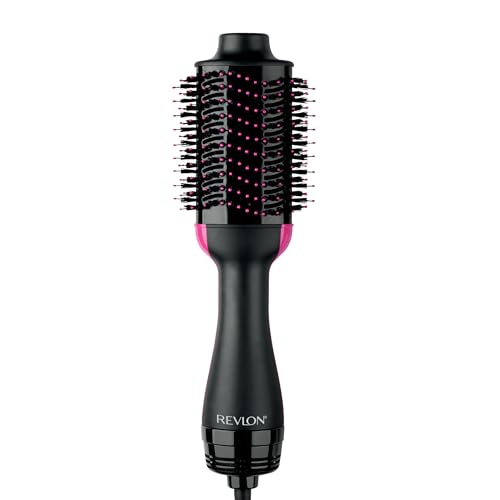
Brush Dryer: The Complete Guide to Clean, Dry Makeup Brushes
Learn how a brush dryer protects your bristles, prevents bacteria buildup, and extends the life of every brush in your collection.
EXPLORE THE GUIDEWhy a brush dryer matters: Most brush damage happens during drying, not during washing. Water trapped inside the ferrule loosens the glue, causes shedding, and breeds bacteria. A dedicated brush dryer solves this problem by drying bristles evenly and safely.
What Is a Brush Dryer and Why Do You Need One?
A brush dryer is a specialized drying tool designed to hold makeup brushes at the correct angle while gently circulating air through the bristles. Unlike leaving brushes flat on a towel, which allows moisture to pool at the base, a brush dryer keeps the bristles pointing downward so water drains away from the ferrule and glue. This simple design change dramatically reduces shedding, mold growth, and the musty smell that comes from improperly dried brushes.
For anyone who regularly washes their brushes, a brush dryer is a practical addition to your beauty tools collection. It pairs naturally with a cleaning mat for makeup brushes and a brush set to form a complete brush maintenance routine. Whether you own entry-level synthetic brushes or premium natural-hair brushes, the drying process is the single biggest factor in how long your brushes last.
Brush dryers come in several forms, from simple drying racks to electric models with fans and heating elements. Understanding the differences helps you choose the right one for your routine and your budget tier. The sections below break down the benefits, types, and best practices so you can make an informed decision before purchasing.
Key Benefits of Using a Brush Dryer
Prevents Bacteria and Mold
Damp bristles are a breeding ground for bacteria and mold. A brush dryer removes moisture quickly and evenly, keeping your brushes hygienic and safe for sensitive skin.
Extends Brush Lifespan
Water seeping into the ferrule breaks down the glue that holds bristles together. Drying at a downward angle protects the adhesive and prevents premature shedding.
Maintains Bristle Shape
Proper drying keeps bristles aligned and prevents them from splaying or curling. Your brushes stay soft, shapely, and ready for precise application.
Faster Drying Time
Electric brush dryers with gentle airflow can cut drying time significantly compared to air drying on a towel, so your brushes are ready sooner.
Protects Your Skin
Clean, properly dried brushes reduce the risk of breakouts, irritation, and allergic reactions caused by bacteria transfer from dirty bristles.
Keeps Your Routine Consistent
When drying is easy, you are more likely to wash your brushes regularly. A brush dryer makes the whole process faster and more convenient.
Types of Brush Dryers: Which One Fits Your Routine?
Brush dryers fall into a few broad categories, each suited to different needs and budget tiers. Understanding these options helps you avoid overbuying features you will not use or underbuying and missing out on important functionality.
| Type | Best For | Key Features | Tier |
|---|---|---|---|
| Manual Drying Rack | Beginners and occasional users | Holds brushes at a downward angle, no electricity, compact, easy to store | Entry-level / budget-friendly |
| Electric Air Brush Dryer | Daily makeup users and professionals | Gentle fan-driven airflow, multiple brush slots, faster drying, adjustable speed | Mid-range |
| Heated Brush Dryer | Users in humid climates or with large collections | Low-heat airflow, quick drying, timer settings, multiple brush holders | Premium |
| Travel Brush Dryer | Frequent travelers and makeup artists on the go | Collapsible design, lightweight, USB-powered options, compact storage | Mid-tier to high-end |
| Multi-Function Drying Station | Beauty enthusiasts with extensive brush collections | Dries, stores, and sometimes sanitizes brushes with UV or gentle heat | Luxury / top-tier |
Entry-level manual racks are affordable and effective for most people, while electric models add speed and convenience. Heated dryers are useful in humid environments where air drying takes too long. If you frequently travel with your makeup bag or travel case, a compact travel brush dryer is worth considering. For those who want a complete setup, a multi-function drying station combines drying with beauty storage.
How to Use a Brush Dryer: Step-by-Step
Using a brush dryer correctly is just as important as choosing the right model. Follow these steps to get the best results and protect your brushes.
- Wash your brushes thoroughly. Use a gentle cleanser or brush shampoo and a cleaning mat to remove makeup, oil, and bacteria. Rinse until the water runs clear.
- Gently squeeze out excess water. Use a clean towel to press out moisture from the bristles. Avoid twisting or pulling, which can damage the bristles and loosen the glue.
- Place brushes into the dryer slots. Insert each brush bristle-down into the dryer. Make sure the bristles are not bent or cramped, as this can affect their shape as they dry.
- Turn on the dryer and set the timer. If your model has adjustable airflow or heat, choose a low or gentle setting. High heat can damage natural bristles and synthetic fibers alike.
- Let the dryer run until bristles are fully dry. Depending on the model and brush size, this can take anywhere from 20 minutes to a few hours. Avoid removing brushes early, as residual moisture can cause problems.
- Store brushes properly after drying. Once dry, store brushes in a makeup bag, brush set case, or beauty storage container to keep them clean and protected.
Best Practices for Brush Drying and Care
Beyond using a brush dryer, a few habits make a big difference in how long your brushes last and how well they perform. First, wash your brushes regularly—once a week for foundation and concealer brushes, and every two weeks for powder, blush, and eyeshadow brushes. Second, avoid drying brushes upright or flat on a towel, as both positions allow water to pool in the ferrule.
Third, never use high heat to speed up drying. Heat can melt synthetic bristles and crack the handles of natural-hair brushes. A gentle, room-temperature airflow is always safer. Fourth, consider pairing your brush dryer with a brush set that includes a variety of brush shapes, and use a makeup mirror to inspect bristles for damage after each wash.
Finally, if you use a facial cleansing brush or an electric cleansing brush for face, check whether the manufacturer recommends air drying or a specific drying method. Some devices have removable heads that can be dried separately, which is an important detail for maintaining hygiene.
Common Brush Drying Mistakes to Avoid
Even with a brush dryer, certain habits can undermine your efforts. One common mistake is overcrowding the dryer slots, which prevents proper airflow and slows drying. Another is leaving brushes in the dryer for extended periods after they are already dry, which can cause bristles to become stiff or misshapen.
Another frequent error is skipping the towel squeeze before placing brushes in the dryer. Removing excess water first speeds up drying and reduces strain on the dryer motor. Finally, avoid storing brushes in a closed container while they are still slightly damp, as this traps moisture and encourages mold growth. Always confirm brushes are completely dry before storing them in your beauty storage or travel case.
Frequently Asked Questions About Brush Dryers
What does a brush dryer actually do?
A brush dryer holds makeup brushes at a downward angle and circulates air to dry bristles evenly. This prevents water from entering the ferrule, protects the glue, and keeps bristles in their natural shape.
How often should I dry my makeup brushes?
Ideally after every deep wash. For most people, that means once a week for foundation and concealer brushes and every two weeks for powder, blush, and eyeshadow brushes. Brushes used around the eyes or on acne-prone skin should be washed and dried more frequently.
Can I dry makeup brushes upside down without a dryer?
Yes, you can hang brushes upside down using a clip or a drying rack. A dedicated brush dryer simply makes the process more convenient and consistent, especially if you have many brushes.
Is an electric brush dryer better than a manual drying rack?
Electric dryers speed up drying and are useful in humid climates or for large collections. Manual racks are entry-level and budget-friendly but rely on room-temperature airflow. Both protect the ferrule and bristle shape when used correctly.
Can I use a brush dryer for natural-hair brushes?
Yes, but choose a gentle airflow setting and avoid high heat. Natural bristles are more sensitive to heat than synthetic ones, so a low or room-temperature setting is safer.
Related Guides You May Find Useful
Ready to Protect Your Brush Collection?
A brush dryer is one of the most practical investments for anyone who wears makeup regularly. It saves time, protects your brushes, and helps maintain the hygiene of your entire routine.
VIEW RECOMMENDED BRUSH DRYERS