The Ultimate Hair Oil Guide: Benefits & How to Use
Unlock the power of hair oil for stronger, shinier, and healthier hair. Learn how to choose the right oil for your hair type and scalp needs.
Shop Recommended Hair OilsWhat Is Hair Oil and Why Should You Use It?
Hair oil is a nourishing treatment that has been used for centuries across various cultures to promote hair health, growth, and shine. Modern hair oils are formulated with a blend of natural plant-based oils, essential oils, and sometimes vitamins that penetrate the hair shaft and scalp to provide deep hydration, reduce breakage, and soothe irritation.
Whether you have dry, damaged hair, or you're looking to boost growth, incorporating the right hair oil into your routine can transform your hair's texture and overall health. It's one of the most effective ways to address common hair concerns like frizz, split ends, and a dry scalp.
Key Takeaway: Hair oil isn't just a trend — it's a time-tested, science-backed method for maintaining beautiful, resilient hair. When used correctly, it can be a game-changer for your hair care routine.
Top 5 Benefits of Using Hair Oil
1. Promotes Hair Growth
Stimulates blood flow to the scalp, encouraging faster and healthier hair growth.
2. Deep Hydration
Penetrates the hair shaft to lock in moisture and prevent dryness and breakage.
3. Reduces Frizz & Adds Shine
Smooths the hair cuticle, giving you a glossy, polished look.
4. Protects from Damage
Acts as a barrier against heat, pollution, and UV rays.
5. Soothes Scalp Conditions
Helps with dandruff, itching, and dry scalp issues thanks to anti-inflammatory properties.
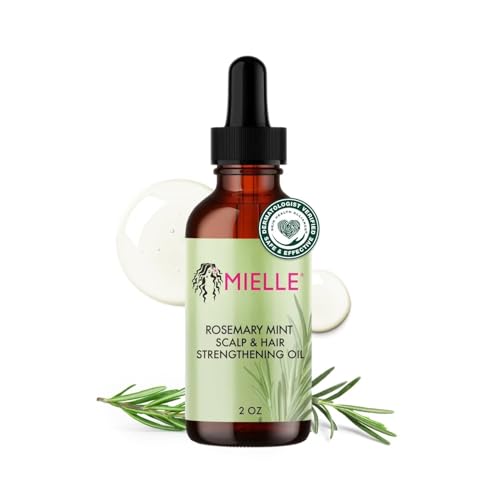
For the best results, choose an oil that suits your hair type. For example, hair loss treatment oils often contain rosemary or peppermint, while damaged hair repair oils are rich in argan or coconut.
How to Choose the Right Hair Oil for Your Hair Type
Not all hair oils are created equal. Selecting the right one depends on your hair's porosity, texture, and specific concerns.
- For Dry or Damaged Hair: Opt for heavier oils like coconut, argan, or olive oil. They provide intense moisture and repair.
- For Fine or Oily Hair: Choose lightweight oils such as jojoba, grapeseed, or almond oil. They won't weigh hair down.
- For Scalp Health: Tea tree, rosemary, and peppermint oils are excellent for soothing and stimulating the scalp.
- For Curly or Coarse Hair: Look for nutrient-dense oils like avocado, castor, or marula oil to define curls and reduce frizz.
If you're new to hair oiling, start with a multi-purpose oil like hair serum which often combines several beneficial oils in one formula. Also, don't forget to use a heat protectant when styling with hot tools to prevent thermal damage.
Step-by-Step Guide: How to Apply Hair Oil
Using hair oil the right way ensures maximum benefits without making your hair greasy.
- Choose Your Oil: Select an oil based on your hair type and needs.
- Warm the Oil: Heat a small amount of oil by rubbing it between your palms. This helps absorption.
- Apply to Scalp: Gently massage the oil into your scalp using circular motions. This boosts circulation.
- Apply to Lengths: Work the remaining oil through the mid-lengths and ends of your hair.
- Leave It On: For a deep treatment, leave the oil on for at least 30 minutes or overnight under a shower cap.
- Wash Thoroughly: Shampoo your hair twice to remove all oil residues. Follow with a conditioner for softness.
Pro Tip: For an extra boost, combine your hair oil with a hair mask once a week. This dual treatment can dramatically improve hair elasticity and shine.
Key Ingredients to Look For in Hair Oil
Understanding the ingredients in your hair oil can help you make an informed choice. Here are some powerhouse components:
- Argan Oil: Rich in vitamin E and fatty acids; excellent for hydration and frizz control.
- Coconut Oil: Penetrates the hair shaft to reduce protein loss and prevent breakage.
- Castor Oil: Known for promoting hair growth and thickening hair strands.
- Jojoba Oil: Mimics scalp sebum; ideal for balancing oil production.
- Rosemary Oil: Stimulates hair follicles and may help with hair loss treatment.
- Tea Tree Oil: Antibacterial and anti-inflammatory, great for dandruff shampoo alternative.
When shopping for hair oil, check the label to ensure the oil is cold-pressed and free from synthetic additives for the best quality.
Common Mistakes to Avoid When Using Hair Oil
- Using Too Much: A little goes a long way. Over-oiling can lead to greasy, weighed-down hair.
- Not Washing Properly: Residual oil can cause buildup. Always double-shampoo.
- Applying to Dry Hair Only: For better absorption, apply oil to slightly damp hair.
- Ignoring the Scalp: A healthy scalp is key to healthy hair. Don't neglect it.
- Using the Wrong Oil: Match the oil to your hair type to avoid adverse effects.
If you have a sensitive scalp, always perform a patch test before applying any new oil. And remember, consistency is key — regular use yields the best results.
Frequently Asked Questions About Hair Oil
Can hair oil make my hair grow faster?
While no oil can magically speed up growth, certain oils like rosemary and castor oil improve scalp health and circulation, which can promote healthier, stronger hair growth over time.
How often should I oil my hair?
It depends on your hair type. Generally, 1-2 times a week is sufficient for most people. Oily hair types may benefit from lighter oils applied less frequently.
Can I leave hair oil on overnight?
Yes, leaving oil on overnight is a popular deep conditioning method. Just make sure to protect your pillow with a towel or use a shower cap.
Is hair oil good for all hair types?
Yes, but the type of oil matters. Fine hair needs lightweight oils, while thick, coarse hair benefits from heavier oils.
For more personalized advice, check out our guides on haircare, scalp scrub, and hair health diet.
Ready to Transform Your Hair?
Discover the best hair oils and start your journey to stronger, shinier, and healthier hair today. Browse our top recommendations below.
Explore Hair Oils