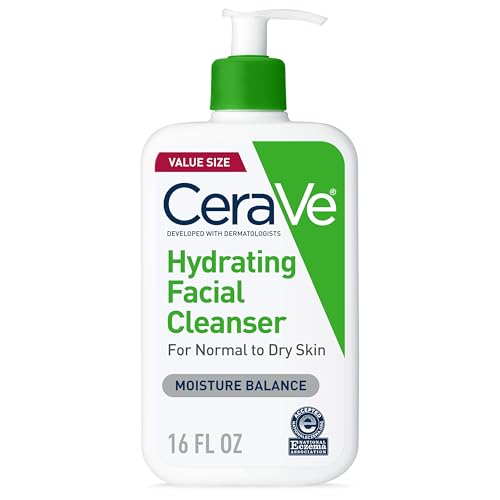
Find the Perfect Face Wash for Your Skin
Cleansing is the foundation of any effective skincare routine. Whether you battle oiliness, dryness, or sensitivity, the right face wash transforms your complexion.
BROWSE TOP PICKSDid You Know? Using the wrong cleanser can disrupt your skin's moisture barrier, leading to increased oil production, breakouts, or premature aging. Understanding your skin type and choosing the right formula is non-negotiable for healthy, glowing skin.
Understanding Face Wash Types
Walking down the skincare aisle can be overwhelming. Gels, creams, foams, oils—each has a distinct purpose. Here's a breakdown to help you cut through the noise and find a cleanser that truly meets your needs.
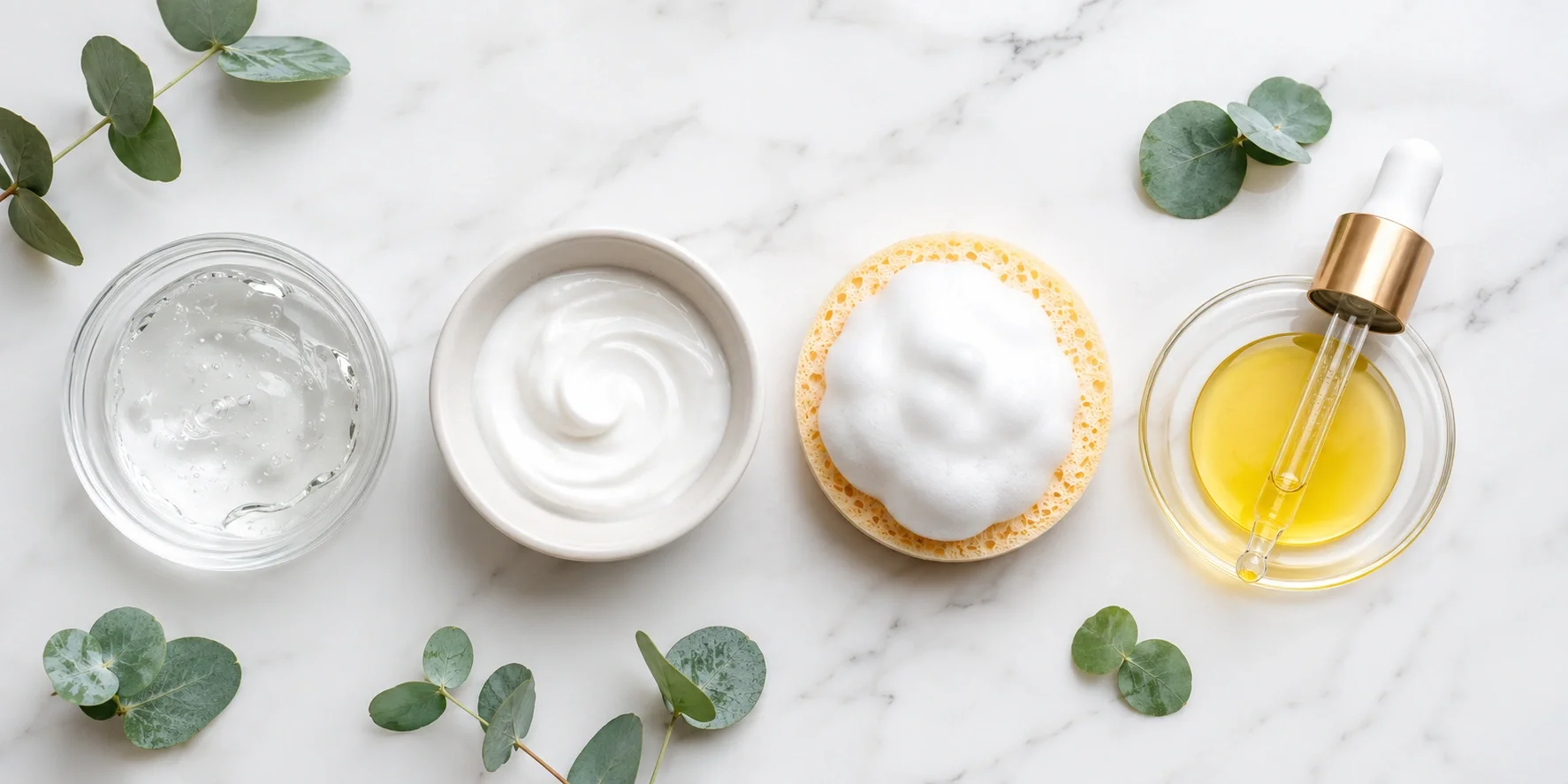
| Type | Best For | Key Benefit | Texture |
|---|---|---|---|
| Gel Cleanser | Oily, acne-prone, combination | Deep pore cleansing, sebum control | Lightweight, refreshing, clear gel |
| Cream Cleanser | Dry, mature, sensitive | Hydrating, soothing, non-stripping | Rich, lotion-like, milky |
| Foam Cleanser | Normal, combination | Gentle cleansing, balanced pH | Light, airy, whipped |
| Oil Cleanser | All skin types (double cleanse) | Dissolves makeup, sunscreen, excess sebum | Slick, emollient, turns milky with water |
| Exfoliating Wash | Dull, rough, congested | Contains AHAs/BHAs for gentle exfoliation | Gel or cream with fine particles or acids |
Ingredients to Look For (and Avoid)
✓ Beneficial Ingredients
- Salicylic Acid — Unclogs pores, fights acne
- Hyaluronic Acid — Boosts hydration
- Ceramides — Restores skin barrier
- Niacinamide — Calms redness, controls oil
- Glycerin — Humectant that draws moisture in
✗ Ingredients to Avoid
- ❌ Sulfates (SLS/SLES) — Harsh detergents, strip natural oils
- ❌ Alcohol Denat — Drying, irritating
- ❌ Artificial Fragrance — Common irritant for sensitive skin
- ❌ Parabens — Controversial preservatives
Choosing Face Wash by Skin Type
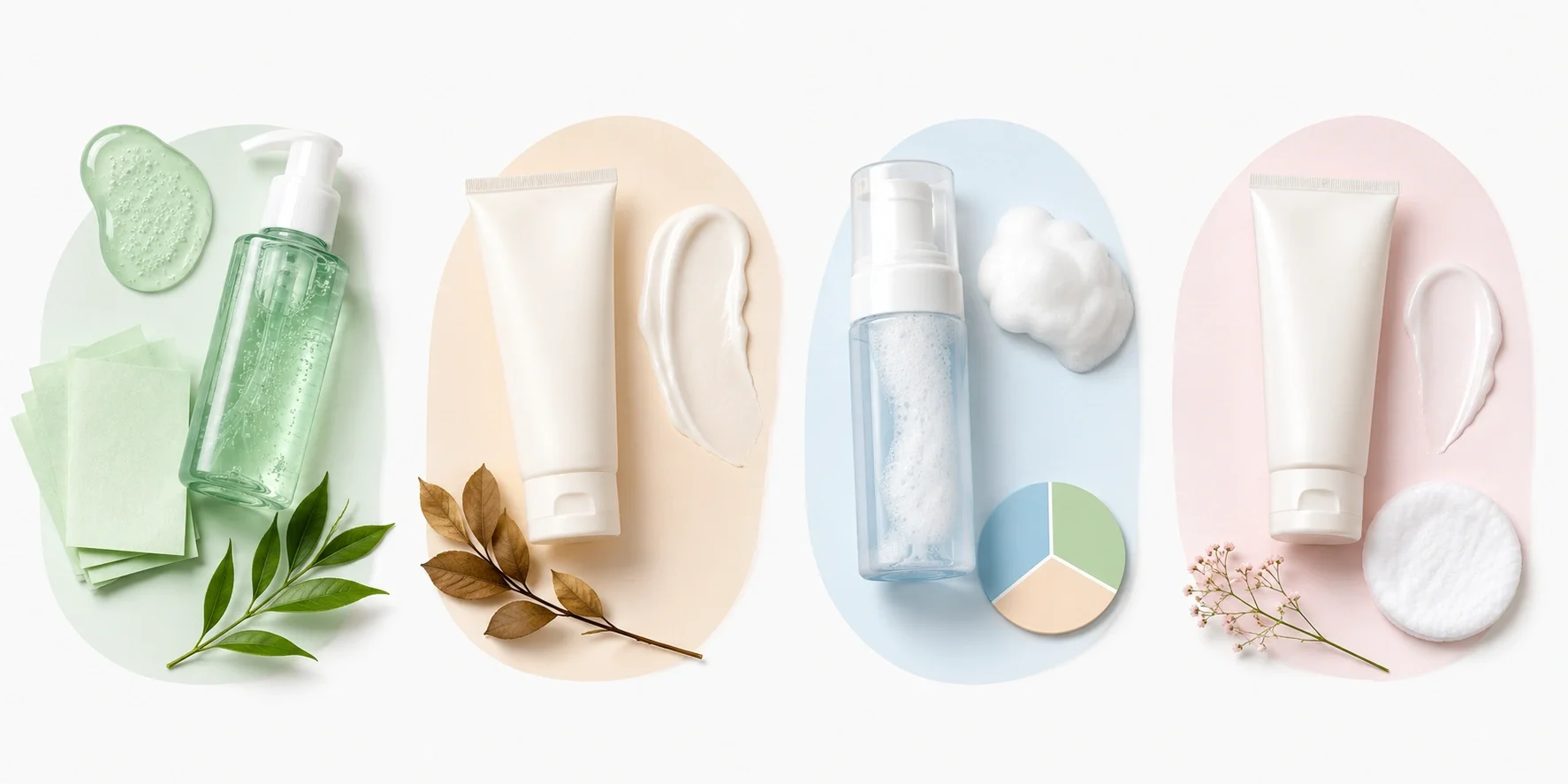
Oily & Acne-Prone Skin
Opt for a gel-based or foaming cleanser with salicylic acid or tea tree oil. These ingredients help control excess sebum without over-drying. For a deeper dive into acne-fighting ingredients, see our face toner guide. You might also benefit from exploring tea tree oil as a natural alternative.
Dry & Dehydrated Skin
Choose a cream or milk cleanser packed with ceramides, glycerin, or hyaluronic acid. These formulas cleanse while delivering essential moisture. Pair your wash with a rich day cream for optimal hydration throughout the day.
Combination Skin
A gentle foam or pH-balanced gel works best. Look for balancing ingredients like niacinamide or green tea skincare extracts. This ensures the T-zone is cleansed while cheeks stay comfortable.
Sensitive Skin
Prioritize fragrance-free, hypoallergenic formulas. Cream cleansers with soothing ingredients like aloe vera or rose water are excellent choices. Always patch-test before full application. Consider the clean beauty guide for non-toxic recommendations.
Mature Skin
Look for anti-aging cleansers with antioxidants, peptides, or gentle exfoliants. A cream formula helps maintain elasticity. After cleansing, follow up with a targeted face serum to address fine lines and firmness.
The Double Cleanse Method
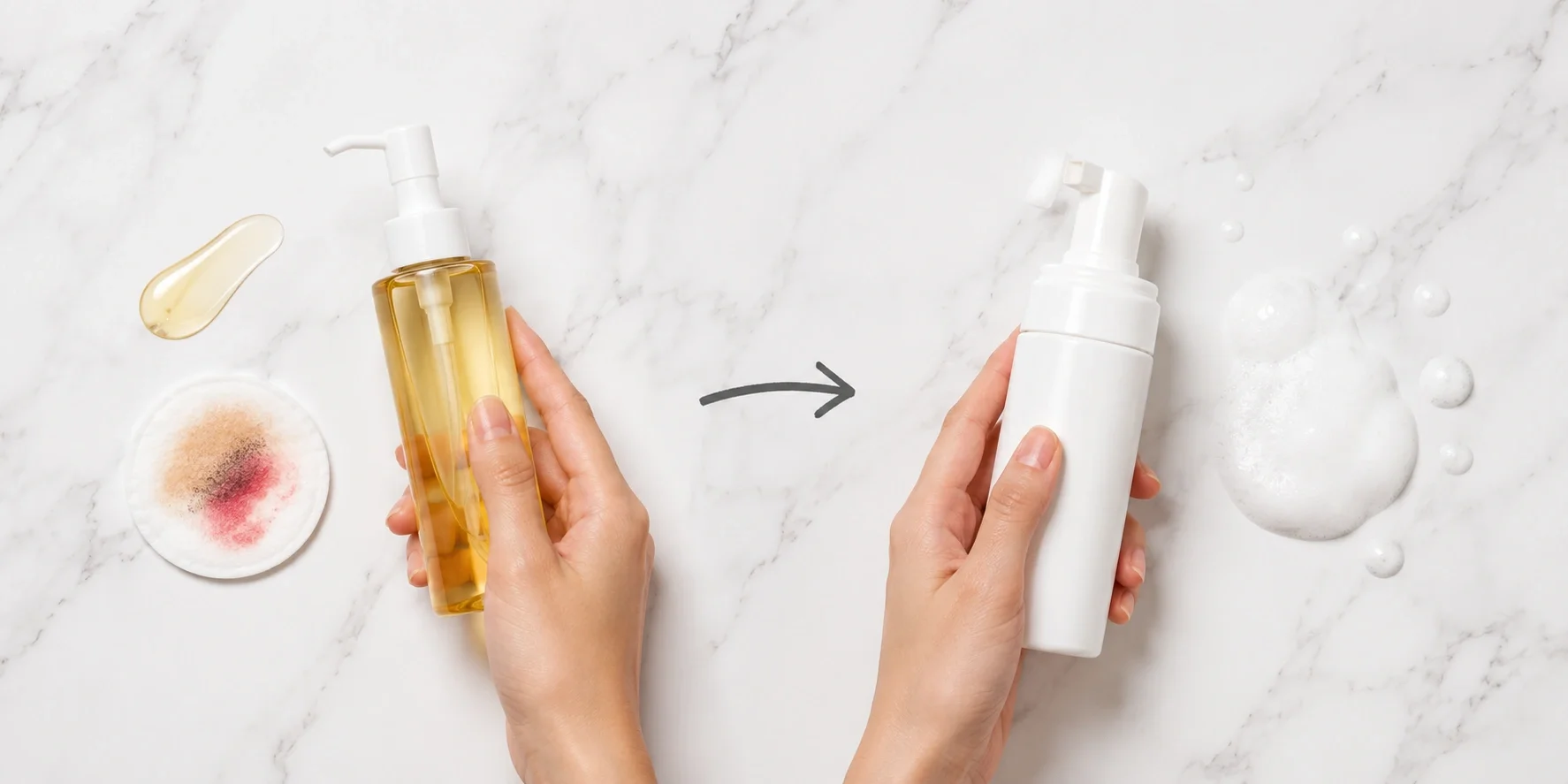
Originating from Korean skincare, double cleansing is a two-step method that ensures a thorough yet gentle clean. It's especially beneficial if you wear makeup or water-resistant sunscreen daily.
Start with an cleansing oil or balm to dissolve makeup, sunscreen, and excess sebum. Massage it gently onto dry skin, then emulsify with water. Follow immediately with your regular water-based face wash to remove any remaining impurities and sweat. This method prevents clogged pores without stripping your moisture barrier. For a complete routine, consider how double cleansing pairs with your overall skincare regimen.
How to Wash Your Face Properly
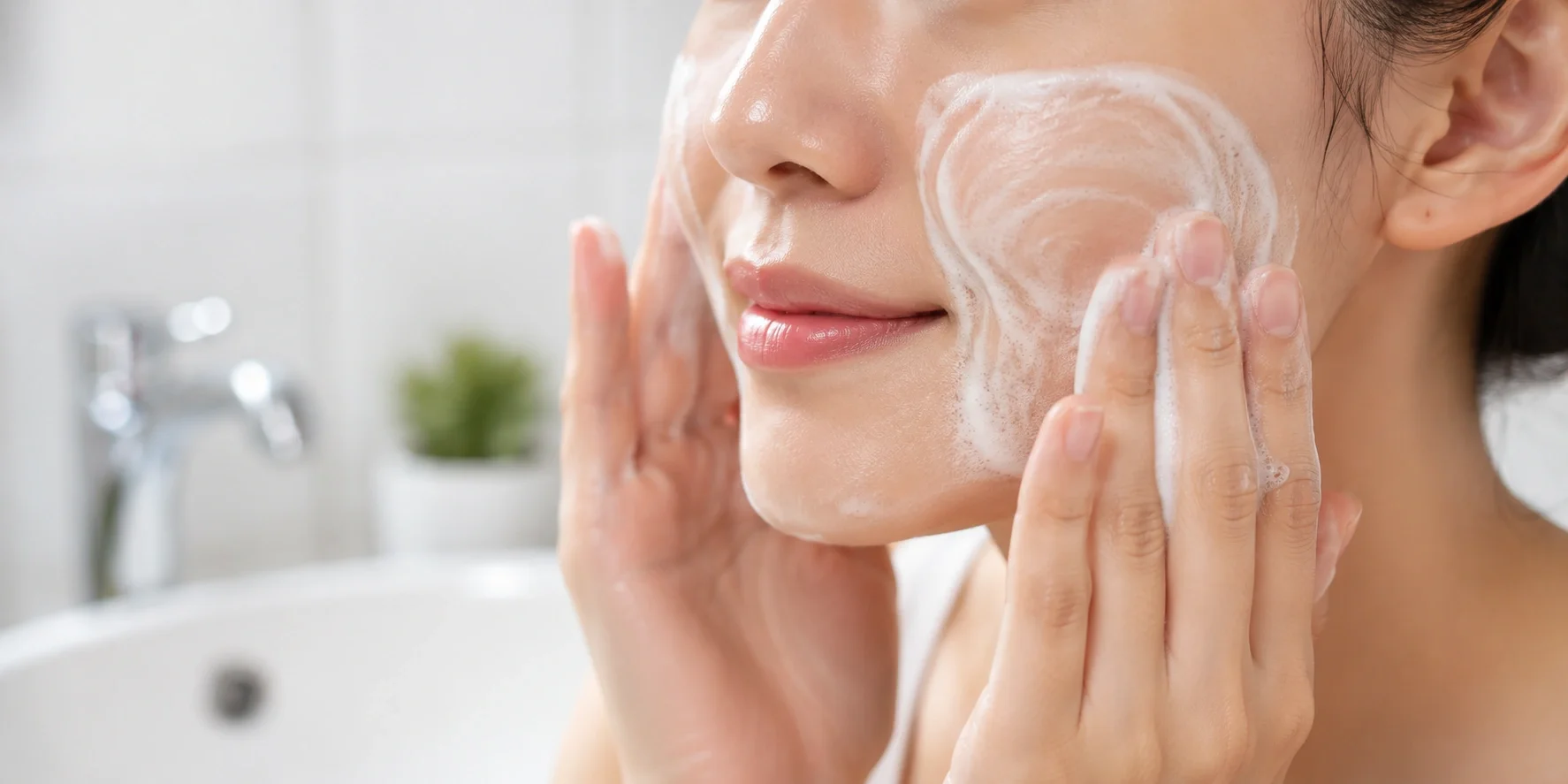
Even the best face wash underperforms with poor technique. Follow these evidence-based steps for maximum efficacy:
- Start with clean hands. Bacteria on your hands can transfer to your face and exacerbate breakouts.
- Use lukewarm water. Hot water strips natural oils; cold water doesn't dissolve dirt effectively.
- Apply a dime-sized amount. More product doesn't mean a better clean—it often leads to residue buildup.
- Massage for 60 seconds. Use gentle, circular motions. This duration allows active ingredients to work effectively.
- Rinse thoroughly. Pay special attention to the hairline, jawline, and sides of the nose where residue often lingers.
- Pat dry with a clean towel. Never rub, as this causes micro-tears and irritation over time.
- Apply moisturizer immediately. Damp skin absorbs hydration better. Lock in moisture with a suitable day cream or night cream.
For an extra-deep cleanse once or twice a week, incorporate an exfoliating scrub after your face wash to remove dead skin cells and reveal a brighter complexion.
How Much Should You Spend on Face Wash?
Face wash prices range dramatically from drugstore staples to luxury formulations. Here's what you can expect at various price points:
- 💲 Budget-Friendly ($8–$15): Effective, no-frills formulas from trusted brands like CeraVe, Cetaphil, and The Ordinary. Ideal for straightforward cleansing needs and sensitive skin types.
- 💲💲 Mid-Range ($15–$35): Targeted treatments with active ingredients like salicylic acid, niacinamide, or antioxidants. Brands like La Roche-Posay, Paula's Choice, and COSRX fall here.
- 💲💲💲 Premium ($35–$65+): Luxury textures, rare botanicals, and patented complexes. Often feature elegant packaging and sensorial experiences from brands like Tatcha, Dr. Barbara Sturm, and iS Clinical.
For most people, the mid-range category offers the best balance of efficacy and value. If you're building a complete regimen on a budget, explore our minimalist skincare approach. And if organic ingredients matter to you, see best organic brands for trusted names. For those with facial hair concerns, skin care for beard may offer additional guidance.