
Ultimate Vitamin C Serum Guide
Brighten, protect, and rejuvenate your skin — discover the science behind vitamin C, how to choose the right serum, and how to apply it for maximum results.
Shop Top-Rated SerumsWhat Is Vitamin C Serum?
Vitamin C (L-ascorbic acid) is a potent antioxidant that neutralizes free radicals, stimulates collagen production, and inhibits melanin synthesis. When formulated as a serum, it penetrates deeper than a standard moisturizer, delivering active ingredients directly to the dermis. Regular use helps fade dark spots, smooth fine lines, and restore a youthful glow.
- Brightens complexion — reduces hyperpigmentation and age spots.
- Boosts collagen — firms skin and diminishes fine lines.
- Antioxidant shield — defends against UV and pollution damage.
- Enhances sunscreen efficacy — when layered under SPF.
Studies show vitamin C can increase collagen production by up to 8x in aging skin. For best results, use a serum with a concentration between 10–20% L-ascorbic acid, paired with vitamin E and ferulic acid for stability.
How to Choose the Right Serum
Not all serums are equal. Look for these factors:
- Form of Vitamin C: L-ascorbic acid is most potent, but derivatives like SAP or ethyl ascorbic acid are gentler for sensitive skin.
- Stability: Choose serums in dark/opaque bottles with a pH below 3.5 for optimal absorption.
- Additional ingredients: Ferulic acid, vitamin E, and hyaluronic acid boost efficacy and hydration.
- Texture: Lightweight, water-based serums suit all skin types; oil-based may be better for dry skin.
If you're new to vitamin C, start with a 10% concentration and apply every other day to avoid irritation. Patch testing is always recommended.
How to Apply Vitamin C Serum
Tone
Apply a pH-balancing toner (optional but helpful).
Apply Serum
Use 3–5 drops on damp skin; pat gently until absorbed.
Myths vs. Facts
✅ Fact: Properly formulated serums (with ferulic acid) can last 6–12 months when stored in a cool, dark place.
✅ Fact: It's non-comedogenic. Purging may occur initially, but it doesn't clog pores. If irritation persists, try a gentler derivative.
✅ Fact: You can — just apply vitamin C in the morning and retinol at night for best results.
Who Should Use Vitamin C Serum?
Almost everyone! Vitamin C is suitable for all skin types, but it's especially beneficial if you:
- Have dull or uneven skin tone
- Want to fade sun spots or melasma
- Are concerned about fine lines
- Live in urban areas with high pollution
- Use sun exposure regularly (always with SPF)
Sensitive skin? Opt for a derivative like magnesium ascorbyl phosphate or tetrahexyldecyl ascorbate, which are less irritating.
Best Vitamin C Serums & Essentials
⚠️ AFFILIATE DISCLOSURE: This website contains affiliate links. As an Amazon Associate, we earn from qualifying purchases. If you make a purchase through these links, we may receive a small commission at no additional cost to you. Read our full affiliate policy.

The Ordinary Ascorbyl Glucoside Solution 12%, Vitamin C Serum for Even Skin Tone and Antioxidant Protection, 1 Fl Oz

Tree of Life Vitamin C Serum for Face, Dark Spots Remover Face Oil, 1 Fl Oz

TruSkin Brightening Vitamin C Serum for Face with Hyaluronic Acid, 1 fl oz

CeraVe Skin Brightening Vitamin C Serum for Face with Hyaluronic Acid, 1oz
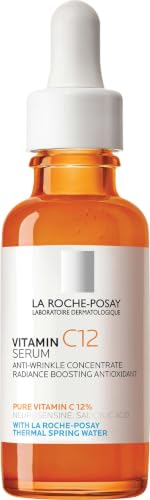
La Roche-Posay 12% Vitamin C Face Serum with Hyaluronic Acid

Timeless 20% Vitamin C + E Ferulic Acid Serum, Antioxidant, 1.7 fl oz

Premium 20% Vitamin C Serum For Face with Hyaluronic Acid, Retinol & Amino Acids - Boost Skin Collagen,Hydrate & Plump Skin, Anti Aging & Wrinkle Facial Serum
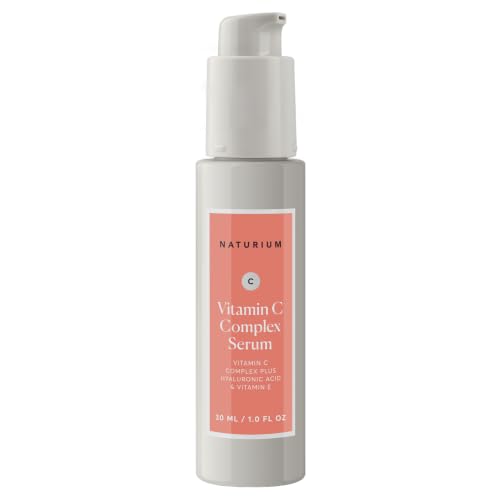
Naturium Vitamin C Complex Serum, Hyaluronic Acid & Vitamin E, 1 fl oz
Frequently Asked Questions
Can I use vitamin C serum every day?
Yes, once your skin is accustomed, daily use (preferably in the morning) yields the best results. Start with every other day if you have sensitive skin.
What concentration of vitamin C is best?
10–20% L-ascorbic acid is the sweet spot. Higher concentrations can cause irritation without added benefits.
Does vitamin C serum expire?
Yes, it oxidizes and turns yellow/orange. A slight color change is normal, but if it turns dark brown or smells strange, discard it.
Can I layer vitamin C with hyaluronic acid?
Absolutely! Hyaluronic acid complements vitamin C by providing hydration, making the serum even more effective.