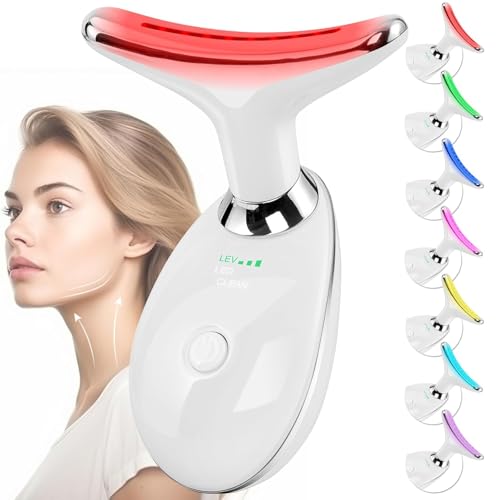
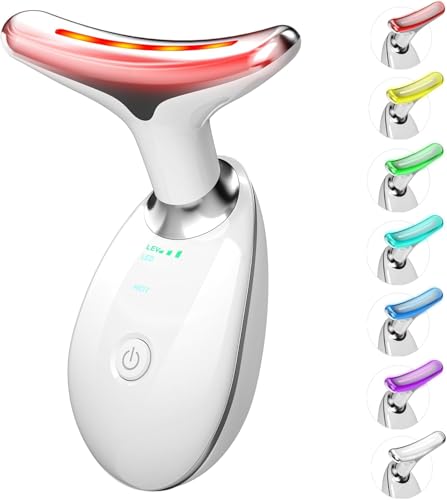
Face Lifting Device: Your Complete Guide to At-Home Skin Tightening
Discover how modern face lifting devices can help you achieve firmer, more youthful-looking skin from the comfort of your home. Learn about the different technologies, what to expect, and how to choose the right device for your skin concerns.
START YOUR SKIN JOURNEYWhy Face Lifting Devices Matter: As we age, collagen production naturally declines, leading to sagging skin, fine lines, and loss of facial definition. Face lifting devices offer a non-invasive way to stimulate collagen, improve circulation, and temporarily tighten the skin—all without the downtime and expense of professional treatments. Whether you're looking to prevent early signs of aging or complement your existing skincare routine, understanding these tools is the first step toward making an informed decision.
What Is a Face Lifting Device?
A face lifting device is a handheld beauty tool designed to stimulate facial muscles, boost collagen production, and improve skin elasticity through various technologies such as microcurrent, radiofrequency (RF), LED light therapy, or ultrasound. Unlike invasive procedures like facelifts or thread lifts, these devices are non-surgical and intended for at-home use. They work by delivering controlled energy or electrical impulses to the skin and underlying tissues, triggering natural rejuvenation processes. Regular use can help reduce the appearance of fine lines, sagging, and dullness, giving your complexion a firmer, more radiant look. If you're exploring complementary tools, you might also consider a jade roller or a gua sha tool for gentle lymphatic drainage and relaxation.
Types of Face Lifting Devices: Which Technology Is Right for You?
Face lifting devices come in several categories, each using a different mechanism to achieve results. Understanding these differences will help you match a device to your specific skin goals and comfort level.
Microcurrent Devices
Microcurrent devices use low-level electrical currents to stimulate facial muscles, promoting a lifted and toned appearance. Often referred to as "facial fitness," these devices are ideal for those looking to address early signs of sagging and loss of muscle tone around the jawline, cheeks, and forehead. They are generally gentle and suitable for most skin types.
Best for: Muscle toning, subtle lifting, and improving facial contour.
Entry-level to premium options availableRadiofrequency (RF) Devices
Radiofrequency devices use heat energy to stimulate collagen and elastin production in the deeper layers of the skin. This process, known as collagen remodeling, can lead to firmer, tighter skin over time. RF devices are particularly effective for addressing skin laxity and deeper wrinkles. They require consistent use and are often found in mid-range to high-end categories.
Best for: Skin tightening, wrinkle reduction, and collagen stimulation.
Mid-range to premium optionsLED Light Therapy Devices
LED light therapy devices emit different wavelengths of light to target various skin concerns. Red light stimulates collagen production and reduces inflammation, while blue light targets acne-causing bacteria. These devices are gentle, non-invasive, and can be used on all skin types. They are a popular entry-level option for those new to at-home beauty devices.
Best for: Overall skin health, acne management, and anti-aging support.
Budget-friendly to mid-tier optionsUltrasound Devices
Ultrasound face lifting devices use sound waves to penetrate deep into the skin, stimulating collagen and improving circulation. They can help enhance product absorption and provide a temporary plumping effect. These devices are often used in professional treatments but are increasingly available for home use in premium categories.
Best for: Deep tissue stimulation and enhancing skincare product penetration.
Premium to luxury optionsKey Benefits of Using a Face Lifting Device
Incorporating a face lifting device into your routine can offer multiple benefits, especially when combined with a consistent skincare regimen. Here are the most notable advantages:
- Stimulates collagen production: Many devices, particularly RF and LED, encourage the skin to produce more collagen, which is essential for maintaining firmness and elasticity.
- Improves facial muscle tone: Microcurrent devices work on the muscles beneath the skin, helping to lift and tone areas prone to sagging.
- Enhances product absorption: Using a device before or after applying serums and moisturizers can help active ingredients penetrate more deeply. Pair your device with a face serum or face mask for enhanced results.
- Reduces puffiness and promotes circulation: The massaging action of many devices helps drain lymph fluid and boost blood flow, resulting in a more radiant complexion.
- Non-invasive and convenient: Unlike surgical procedures, face lifting devices can be used at home with no downtime, making them a practical addition to your self-care routine.
Comparing Face Lifting Device Tiers
Face lifting devices are available across a wide spectrum of quality and features. To help you navigate the market without focusing on specific prices, here's a comparison based on product tiers:
| Feature | Entry-Level / Budget-Friendly | Mid-Range / Mid-Tier | Premium / High-End | Luxury / Top-Tier |
|---|---|---|---|---|
| Technology | Basic LED or simple microcurrent | Advanced microcurrent or RF | Multi-technology (RF + LED + microcurrent) | Clinical-grade multi-technology with smart features |
| Build Quality | Plastic casing, basic controls | Durable materials, ergonomic design | Premium materials, intuitive controls | Luxury finishes, app connectivity, personalized settings |
| Ease of Use | Simple on/off, limited settings | Multiple intensity levels | Programmable modes, timer features | Smart sensors, guided routines via app |
| Best For | Beginners testing at-home devices | Regular users wanting reliable results | Those seeking comprehensive anti-aging solutions | Users wanting spa-level treatments at home |
How to Choose the Right Face Lifting Device
Selecting a face lifting device can feel overwhelming with so many options on the market. Here are key factors to consider before making a purchase:
5 Factors to Evaluate
- Identify your primary concern: Are you looking to tone muscles (microcurrent), tighten skin (RF), or improve overall skin health (LED)? Knowing your goal will narrow down your options.
- Consider your skin sensitivity: If you have sensitive skin, start with gentle LED devices or microcurrent on the lowest setting. Always perform a patch test. For related care, see our guide on face cream for sensitive skin.
- Check for safety certifications: Look for devices that are FDA-cleared or have equivalent safety certifications. This ensures the product has been tested for safety and efficacy.
- Read user reviews and expert opinions: Real-world feedback can provide insights into ease of use, comfort, and realistic results. Don't rely solely on marketing claims.
- Evaluate the warranty and customer support: A good warranty and responsive customer service indicate a brand's confidence in its product.
How to Use a Face Lifting Device Safely and Effectively
Proper technique and consistency are essential for getting the most out of your face lifting device. Follow these general guidelines, and always refer to your device's instruction manual for specific recommendations.
Step-by-Step Usage Tips
- Start with clean, dry skin: Remove makeup and cleanse your face thoroughly. Some devices require a conductive gel or serum, so check your manual. A gentle face cleanser is a good starting point.
- Apply a conductive medium if required: For microcurrent and RF devices, a water-based gel or serum is often necessary for proper conductivity. Avoid oil-based products unless specified.
- Follow the recommended technique: Most devices should be moved in upward and outward motions. Avoid the eye area unless your device is specifically designed for it. Refer to our guide on eye serum for dark circles for targeted eye care.
- Use the correct frequency and duration: Overuse can irritate the skin. Stick to the manufacturer's recommended usage—typically 2-3 times per week for 10-15 minutes per session.
- Follow up with skincare: After using your device, apply a hydrating face moisturizer to lock in hydration and soothe the skin.
Safety Precautions and Who Should Avoid These Devices
While face lifting devices are generally safe for at-home use, certain individuals should exercise caution or avoid them entirely. If you have any of the following conditions, consult a healthcare professional before use:
- Pregnancy or nursing
- Epilepsy or seizure disorders (especially with microcurrent devices)
- Metal implants, pacemakers, or electronic medical devices
- Active skin infections, open wounds, or severe acne
- Recent chemical peels, laser treatments, or cosmetic procedures
- Rosacea or highly reactive skin (use lowest settings or avoid RF devices)
Always perform a patch test on a small area before full-face use. If you experience pain, redness, or irritation, discontinue use immediately. For more detailed guidance, refer to our full disclaimer.
Frequently Asked Questions About Face Lifting Devices
Ready to Elevate Your Skincare Routine?
Explore our curated selection of top-rated face lifting devices and find the perfect tool for your skin goals. Whether you're a beginner or a seasoned beauty enthusiast, there's a device that fits your needs.
BROWSE RECOMMENDED DEVICESContinue Learning: Explore more expert guides to complement your skincare journey. Learn about micro-needling, LED light therapy, and facial cleansing brushes. For overall wellness, discover the benefits of facial exercises and yoga for glowing skin. Don't forget to check our beauty tools section for more innovative devices.