Back Hair Removal: Your Complete Guide to Smooth, Confident Skin
Compare shaving, waxing, depilatory creams, epilation, and laser treatments. Learn how to prepare, prevent ingrown hairs, and choose the right method for your skin type and lifestyle.
COMPARE METHODSWhy Back Hair Removal Matters
Back hair is completely natural, but many people prefer a smoother look for comfort, hygiene, or aesthetics. Whether you're preparing for a beach holiday, want to feel more confident in fitted clothing, or simply find back hair uncomfortable during hot weather, choosing the right removal method makes a real difference.
The back is one of the most difficult areas to reach on your own, so the method you choose needs to balance effectiveness, convenience, and skin sensitivity. The skin on the back can be thicker than the face but is still prone to irritation, razor burn, and ingrown hairs if treated carelessly. That's why understanding each option before committing is essential.
If you're also refining your overall grooming routine, our body trimming guide and men's hygiene routine offer complementary advice on keeping skin clean, comfortable, and well-maintained. For readers focused specifically on facial hair, the beard care routine covers a different but equally important area.
Comparing the Main Back Hair Removal Methods
There is no single "best" method — the right choice depends on your pain tolerance, budget, skin type, and how long you want results to last. The table below compares the most common approaches at a glance.
| Method | Results Last | Pain Level | Best For | Relative Investment |
|---|---|---|---|---|
| Shaving | A few days | None (risk of razor burn) | Quick touch-ups, beginners | budget-friendly |
| Depilatory Cream | Several days to a week | None to mild tingling | Pain-free removal, sensitive skin (patch-test) | affordable |
| Waxing | 3–6 weeks | Moderate to high | Longer-lasting smoothness | mid-range |
| Epilation | 2–4 weeks | Moderate to high | At-home longer-lasting results | mid-priced |
| Laser / IPL | Months to long-term reduction | Mild (warm snapping sensation) | Permanent reduction, minimal maintenance | premium to high-end |
Below, we break down each method in detail so you can match one to your priorities. If you're also considering grooming other body areas, the chest hair grooming and grooming sensitive areas guides follow similar principles.
Shaving
Fast, accessible, and beginner-friendly. Best for quick touch-ups and those who prefer a low-commitment routine.
Depilatory Creams
Painless chemical removal that dissolves hair just below the surface. Great for sensitive skin when patch-tested.
Waxing & Epilation
Removes hair from the root for smoother, longer-lasting results. Requires some pain tolerance and planning.
Laser & IPL
The most effective long-term option. Reduces hair growth significantly over a series of sessions.
Shaving: The Quick, Budget-Friendly Option
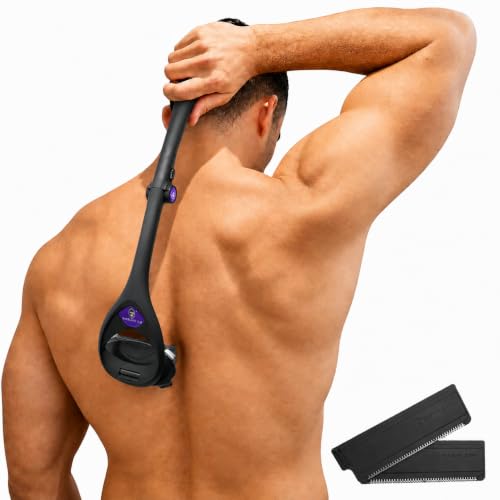
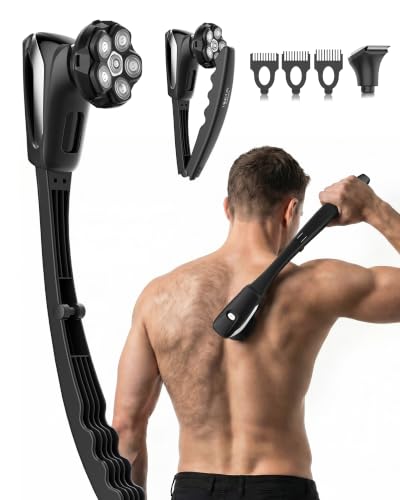
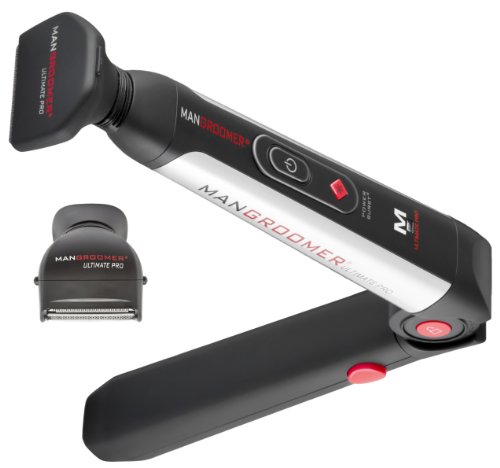
Shaving is the most accessible method for back hair removal, especially if you have a partner or a long-handled razor designed for hard-to-reach areas. It's fast, painless when done correctly, and requires minimal upfront investment.
How to Shave Your Back Properly
- Prep the skin: Shower first or apply a warm, damp towel for a few minutes to soften hair and open pores.
- Use shaving cream or gel: Never shave dry — a lubricating layer protects against razor burn and micro-cuts. Our shaving cream vs gel comparison helps you pick the right formula.
- Use a sharp, clean razor: A dull blade tugs at hair and increases irritation. Rinse the razor frequently.
- Shave in the direction of hair growth: This reduces ingrown hairs and irritation. Only go against the grain if your skin tolerates it well.
- Rinse with cool water and moisturize: Cool water closes pores, and a gentle, fragrance-free moisturizer soothes the skin.
Pros and Cons of Shaving
Pros: Fast, painless, affordable, easy to learn. Cons: Results last only a few days, risk of razor burn and ingrown hairs, and reaching the back can be awkward without help.
If razor burn is a recurring problem, our guide on how to prevent razor burn offers practical techniques that apply directly to back shaving.
Depilatory Creams: Fast and Painless
Depilatory creams use chemical agents to break down hair just below the skin's surface, leaving a smoother finish than shaving and lasting slightly longer. They're a popular choice for people who want pain-free removal without the risk of razor cuts.
How to Use Hair Removal Cream on Your Back
- Patch-test first: Apply a small amount to a hidden area and wait 24 hours to check for reactions.
- Apply an even layer: Use the spatula or applicator provided, covering all hair evenly. Don't rub it in vigorously.
- Respect the timing: Never leave the cream on longer than the instructions specify — usually 5–10 minutes.
- Remove gently: Wipe off with a damp cloth or rinse in the shower, then pat dry.
- Moisturize: Follow with a soothing, fragrance-free lotion.
Pros and Cons
Pros: Painless, easy to apply with a helper, no sharp tools, results last several days to a week. Cons: Chemical smell, potential skin sensitivity, and requires patch-testing — especially for those with reactive skin.
Waxing & Epilation: Longer-Lasting Results
Waxing and epilation remove hair from the root, which means results last significantly longer than shaving or creams — typically three to six weeks for waxing and two to four weeks for epilation. Both require more pain tolerance and planning but reward you with smoother skin between sessions.
Waxing Your Back
Because the back is hard to reach, professional waxing is often the most practical choice. A salon technician can work quickly and evenly, reducing discomfort. At-home waxing kits exist, but enlisting a partner makes the process safer and more effective.
- Let hair grow to about a quarter-inch before waxing for the wax to grip properly.
- Exfoliate gently a day before your appointment — not immediately before, as this can irritate skin.
- Avoid waxing over sunburned or irritated skin.
- Apply a soothing post-wax lotion and avoid tight clothing for the rest of the day.
Epilation
Epilators are handheld devices that pull hair from the root mechanically. They're convenient for at-home use, though reaching the entire back solo is challenging. Epilation results last two to four weeks and become less painful with regular use as hair grows back finer.
Pros: Longer-lasting smoothness, hair regrows finer over time. Cons: Discomfort, risk of ingrown hairs, and requires regular maintenance. Pair waxing or epilation with the body exfoliator and body lotion recommendations to keep skin smooth and healthy.
Laser & IPL: The Long-Term Investment
Laser hair removal and intense pulsed light (IPL) treatments target hair follicles directly, reducing hair growth over a series of sessions. For the back — a large treatment area — laser is widely considered the most effective long-term solution, though it requires multiple appointments and a higher upfront investment than other methods.
What to Expect
- A consultation: A technician or dermatologist assesses your skin tone and hair type to determine suitability and settings.
- A series of sessions: Typically six to eight treatments spaced several weeks apart, since hair grows in cycles.
- Mild discomfort: Most people describe a warm snapping sensation; numbing cream can help.
- Long-term reduction: Results vary, but many people see significant reduction in hair density and maintenance sessions become infrequent.
At-Home IPL Devices
At-home IPL devices offer a mid-tier alternative to professional laser treatments. They require patience and consistency but can be a good option for maintaining results between professional sessions or for those who prefer privacy. Results are generally less dramatic than clinical laser but more convenient.
Pros: Long-term reduction, minimal daily maintenance, smooth results. Cons: Higher investment, requires multiple sessions, less effective on very light or very dark hair, and should always be performed with proper safety precautions.
Preventing Ingrown Hairs and Irritation
Ingrown hairs are one of the most common frustrations of back hair removal, especially after shaving, waxing, or epilation. They occur when hair curls back into the skin, causing small bumps, redness, or discomfort. The good news is that a consistent routine dramatically reduces their frequency.
Prevention Strategies
- Exfoliate regularly: Use a gentle body scrub or exfoliating body wash two to three times a week to keep pores clear. Our exfoliating body wash for men guide is a great starting point.
- Moisturize daily: Hydrated skin is more flexible and less likely to trap hair. A lightweight, fragrance-free body lotion works well.
- Avoid tight clothing right after removal: Friction can push growing hair back into the skin.
- Use chemical exfoliants sparingly: Products with salicylic or glycolic acid can help keep pores clear, but introduce them gradually.
- Don't pick or squeeze: This can cause infection and scarring. If a bump persists, consult a dermatologist.
If you're prone to dark spots or post-inflammatory hyperpigmentation after hair removal, our black spots treatment guide covers general principles that also apply to the body.
Aftercare Routine for Smooth Skin
What you do after hair removal matters as much as the method itself. A simple, consistent aftercare routine keeps skin calm, smooth, and free from irritation.
- Cleanse gently: Use a mild, fragrance-free body wash. Avoid harsh scrubs immediately after removal.
- Soothe the skin: Apply a calming lotion or aloe-based product to reduce redness. Our aloe vera guide explains why this ingredient is so effective.
- Moisturize daily: Keep skin hydrated to support its barrier and reduce ingrown hairs.
- Exfoliate after 48 hours: Wait at least two days before using a scrub or exfoliating wash on the treated area.
- Protect from the sun: Freshly treated skin is more sensitive. Use sunscreen if your back will be exposed. Our body sunscreen guide covers options for larger areas.
If you enjoy a self-care angle to your grooming routine, the self-care routine guide offers ideas for turning your aftercare into a relaxing ritual.
Choosing the Right Tools and Products
The right tools make back hair removal safer and more comfortable. Here's a quick rundown of what to look for depending on your chosen method.
For Shaving
- A sharp, multi-blade razor with a flexible head for contouring.
- A long-handled razor or a trusted helper for hard-to-reach areas.
- A lubricating shaving cream or gel — see our shaving cream vs gel comparison.
For Creams
- A reputable depilatory cream formulated for body use.
- An applicator or spatula for even application.
- A soothing post-removal lotion.
For Waxing & Epilation
- Professional salon services for the back are often the most practical choice.
- If waxing at home, choose a kit suited to body hair and enlist help.
- A quality epilator with multiple speed settings if you prefer at-home maintenance.
For Laser & IPL
- Consultation with a qualified professional for clinical laser.
- For at-home IPL, choose a device cleared for body use and follow the instructions carefully.
- Sunscreen and soothing aftercare products are essential.
For more on grooming tools in general, our beauty tools section covers a wide range of devices, and carrier oils can be useful for post-removal skin soothing.
Ready to Choose Your Method?
Start with the method that best matches your skin type, pain tolerance, and routine. If you're new to back hair removal, shaving or depilatory creams are gentle entry points. If you want longer-lasting results, waxing or epilation may be worth the investment. And if you're ready for a long-term solution, laser or IPL could be the right path.
Whichever route you choose, preparation and aftercare are the keys to smooth, comfortable skin. Explore our related guides on body trimming, chest hair grooming, and grooming sensitive areas to build a complete routine.
Revisit the Method ComparisonFrequently Asked Questions
What is the most effective method for back hair removal?
Laser hair removal is generally the most effective long-term method, significantly reducing hair growth over a series of sessions. For at-home options, waxing and epilation provide the longest-lasting results between treatments, while shaving and depilatory creams are quick but temporary.
How can I prevent ingrown hairs on my back?
Exfoliate the back regularly with a gentle scrub or exfoliating body wash, keep skin moisturized, avoid tight clothing immediately after hair removal, and consider using a product with salicylic or glycolic acid to keep pores clear and reduce ingrown hairs.
How often should I remove back hair?
Frequency depends on the method: shaving may need repeating every few days, depilatory creams typically last several days to a week, waxing can last three to six weeks, and laser sessions are spaced several weeks apart as part of a treatment plan.
Is back hair removal safe for sensitive skin?
Yes, with care. Sensitive skin types should patch-test any cream or wax, prefer fragrance-free formulas, use a sharp razor with shaving cream for shaving, and consider professional treatments for lasers or waxing to minimize irritation risk.