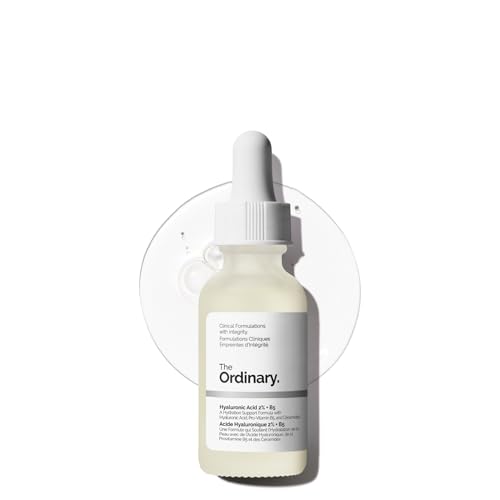
Face Serum: The Ultimate Guide to Glowing Skin
Discover how face serums work, the best ingredients for your skin, and how to choose the perfect serum for your skincare routine.
Shop Top-Rated SerumsWhat Is a Face Serum and Why Do You Need One?
A face serum is a concentrated skincare product designed to deliver potent active ingredients deep into the skin. Unlike moisturizers, which primarily work on the surface to hydrate and protect, serums have smaller molecules that can penetrate more effectively, targeting specific concerns like fine lines, dark spots, and dehydration.
Whether you're looking to brighten your complexion, boost collagen, or combat acne, there's a face serum formulated for your needs. Incorporating a serum into your daily routine can transform your skin's texture and appearance.
Key Benefits of Using a Face Serum
Face serums offer numerous advantages for all skin types. Here are the most significant benefits:
- Targeted Treatment: Serums address specific issues like hyperpigmentation, acne, or loss of firmness with high concentrations of active ingredients.
- Deep Hydration: Ingredients like hyaluronic acid draw moisture into the skin, plumping and smoothing fine lines.
- Antioxidant Protection: Vitamin C serum and other antioxidants protect against environmental damage and free radicals.
- Collagen Boost: Retinol and peptides stimulate collagen production, improving skin elasticity and firmness.
- Enhanced Absorption: Serums are designed to be lightweight and fast-absorbing, allowing other products like day cream to work more effectively.
💡 Pro Tip: For best results, apply your face serum right after cleansing and toning, while your skin is still slightly damp. This helps lock in moisture and improves absorption.
Choosing the Right Face Serum for Your Skin Type
With so many serums available, it's essential to select one that matches your skin type and concerns. Here's a quick guide:
For Dry Skin
Look for hydrating ingredients like hyaluronic acid, glycerin, and squalane. Avoid alcohol-based formulas.
For Oily Skin
Choose lightweight, oil-free serums with niacinamide or salicylic acid to control sebum and unclog pores.
For Sensitive Skin
Opt for soothing ingredients like aloe vera, chamomile, and centella asiatica. Avoid fragrances and harsh actives.
For Aging Skin
Look for retinol, peptides, and vitamin C to boost collagen and reduce fine lines.
If you're new to face serums, start with a vitamin C serum or a gentle hyaluronic acid formula, as these are universally well-tolerated.
How to Apply Face Serum for Maximum Results
Proper application is key to getting the most out of your face serum. Follow these steps:
- Step 1: Start with a clean face. Use a gentle face wash to remove dirt and oil.
- Step 2: Apply a face toner to balance your skin's pH and prep it for better absorption.
- Step 3: Dispense a pea-sized amount of serum onto your fingertips and gently pat it onto your face and neck. Don't rub!
- Step 4: Allow the serum to absorb fully for 1-2 minutes before applying day cream or night cream.
- Step 5: Always finish with sunscreen in the morning to protect your skin from UV damage.
⚠️ Caution: When using active ingredients like retinol or vitamin C, start with a lower concentration and gradually increase usage to avoid irritation. Always patch-test new products.
Popular Face Serum Ingredients Explained
Understanding the ingredients in your face serum can help you make informed choices. Here are some of the most common and effective ones:
- Vitamin C: A powerful antioxidant that brightens skin, evens out tone, and protects against environmental stressors.
- Hyaluronic Acid: A humectant that holds up to 1000 times its weight in water, providing intense hydration and plumping the skin.
- Retinol: A derivative of vitamin A that accelerates cell turnover, reduces wrinkles, and improves skin texture.
- Niacinamide: A form of vitamin B3 that soothes redness, minimizes pores, and strengthens the skin barrier.
- Peptides: Short chains of amino acids that signal the skin to produce more collagen, improving firmness and elasticity.
- Aloe Vera: A soothing ingredient ideal for sensitive or irritated skin.
For a comprehensive skincare regimen, consider layering serums with complementary ingredients. For example, use a vitamin C serum in the morning and a retinol serum at night.
Frequently Asked Questions About Face Serums
- Can I use a face serum every day? Yes, most serums are safe for daily use. However, active ingredients like retinol should be introduced gradually.
- Is a serum better than a moisturizer? They serve different purposes. Serums deliver active ingredients, while moisturizers hydrate and lock in moisture. Use both for best results.
- How long does it take to see results? It varies by ingredient. You may notice improvements in hydration within days, while changes in pigmentation or fine lines may take weeks to months.
- Can I use more than one serum? Yes, but layer them from thinnest to thickest consistency. For example, apply a hyaluronic acid serum first, followed by a vitamin C or retinol serum.
- What's the best serum for glowing skin? A vitamin C serum combined with hyaluronic acid is an excellent choice for a radiant complexion.
Ready to Transform Your Skin?
Adding a face serum to your daily routine is one of the most effective ways to achieve healthier, more radiant skin. Whether you're targeting fine lines, dullness, or dehydration, there's a serum formulated for your needs.
Browse our selection of top-rated face serums below. From vitamin C to hyaluronic acid and retinol, we've handpicked the best options for every skin type and concern.
Remember, consistency is key. With regular use, you'll soon notice a visible improvement in your skin's texture, tone, and overall glow.