Hair Straightener Guide: Choose, Use & Maintain Your Flat Iron
Everything you need to know about hair straighteners — from plate materials and heat settings to styling techniques and care tips for every hair type.
EXPLORE THE GUIDEWhy This Guide Matters: A hair straightener is one of the most versatile styling tools you can own — but the wrong one, or the wrong technique, can cause heat damage and frizz. This guide walks you through the key features, the best practices, and how to match a flat iron to your hair type so you can style confidently and protect your hair at the same time.
What Is a Hair Straightener?
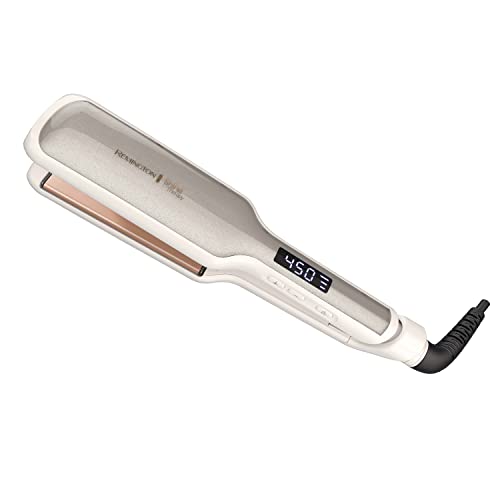
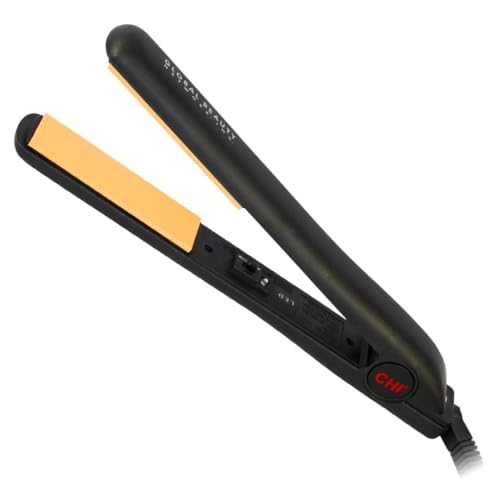
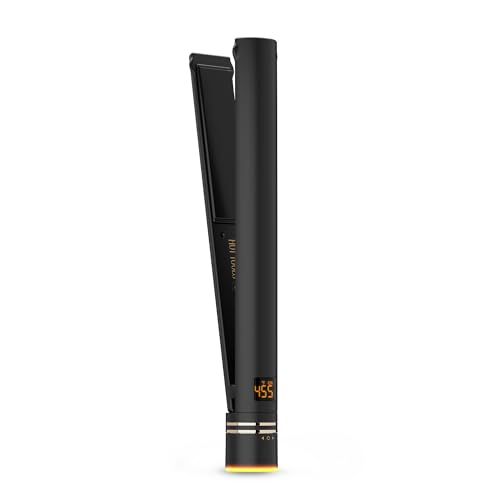
A hair straightener, also called a flat iron, is a heated styling tool that uses two flat plates — typically ceramic, titanium, or tourmaline-coated — to press and smooth the hair shaft. When used correctly with a heat protectant and the right temperature, a flat iron can transform curls, waves, and frizz into a sleek, polished finish in minutes.
Modern straighteners go far beyond basic flattening. Many models let you create curls, waves, and flips by adjusting the angle and motion of the tool. Whether you are building a complete haircare routine or simply want a reliable styling tool for special occasions, understanding how a straightener works is the first step to getting salon-quality results at home.
If you are new to heat styling, it helps to start with the basics of hair health. Pair your straightener with a nourishing hair serum and a regular hair mask to keep strands strong and smooth between styling sessions.
Types of Hair Straighteners
Not all straighteners are built the same. The plate material, size, and heat technology all affect how the tool performs on your hair. Below are the most common types and what they are best suited for.
Ceramic Flat Irons
Ceramic plates distribute heat evenly and are gentler on fine, color-treated, or damaged hair. They tend to heat up slightly slower but offer consistent, predictable performance — a great starting point for beginners.
Titanium Flat Irons
Titanium heats up fast and holds high temperatures steadily, making it ideal for thick, coarse, or resistant hair. It requires careful temperature control to avoid overheating finer strands.
Tourmaline-Coated Plates
Tourmaline generates negative ions that help reduce frizz and static, leaving hair smoother and shinier. Often found in mid-tier to high-end models, this coating is a favorite for glossy results.
Straightening Brushes
A straightening brush combines heated bristles with comb-like teeth for quick, natural-looking smoothing. It is less precise than a flat iron but faster for everyday touch-ups on wavy hair.
Mini & Travel Straighteners
Smaller plates and foldable designs make these ideal for travel, bangs, and short hair. They usually offer fewer heat settings but are convenient and lightweight.
Wet-to-Dry & Steam Straighteners
These advanced tools claim to style damp hair using vents or steam. They are convenient but require strict adherence to manufacturer instructions to avoid moisture-related damage.
If you also enjoy curling or waving your hair, consider pairing your straightener with a curling wand or exploring a hair styling kit that covers multiple looks in one purchase.
Ceramic vs. Titanium vs. Tourmaline: Which Plate Is Right for You?
Choosing between plate materials comes down to your hair type, styling frequency, and the level of heat control you need. Use the comparison below as a quick reference.
| Plate Material | Best For | Heating Speed | Heat Distribution | Notable Strength |
|---|---|---|---|---|
| Ceramic | Fine, damaged, color-treated hair | Moderate | Even and gentle | Reduces risk of hot spots |
| Titanium | Thick, coarse, resistant hair | Fast | Very consistent at high heat | Durable and long-lasting |
| Tourmaline | Frizz-prone and static-prone hair | Moderate to fast | Even with ion output | Shinier, smoother finish |
| Nano-Ceramic / Hybrid | Most hair types | Fast | Even with added minerals | Balanced performance across tiers |
As a general rule, entry-level models often use basic ceramic plates, mid-range models frequently combine ceramic with tourmaline or nano-ceramic coatings, and premium models may offer advanced ionic technology, adjustable steam, and ultra-smooth plate finishes. Match the tier to how often you style and how sensitive your hair is to heat.
Key Features to Look For in a Hair Straightener
Before buying, check the following features. Each one affects safety, ease of use, and the final look of your hair.
- Adjustable temperature control: Look for a wide, clearly labeled heat range so you can dial in the right setting for your hair type.
- Plate size: Narrow plates (around 1 inch or less) are better for short hair and bangs, while wider plates (1.5 inches or more) speed up styling on long, thick hair.
- Floating plates: These adjust to the thickness of your hair section, reducing tugging and improving contact.
- Fast heat-up time: Convenient for busy mornings — many mid-range and premium models heat up in under a minute.
- Auto shut-off: An essential safety feature if you are prone to forgetting to unplug your tools.
- Swivel cord: Prevents tangling and makes maneuvering easier, especially when styling the back of your head.
- Dual voltage: Important for travel if you plan to style abroad.
- Ionic or tourmaline technology: Helps reduce frizz and static, particularly useful in humid climates.
If you are building a full styling station, consider pairing your straightener with a quality hair dryer and a hair brush suited to your hair type for a smoother overall routine.
How to Use a Hair Straightener Safely and Effectively
Great results come from preparation as much as technique. Follow these steps to straighten your hair while minimizing damage.
- Start with clean, dry hair: Never straighten soaking wet hair unless your device explicitly supports damp-to-dry styling. Excess moisture can cause burns and damage.
- Apply a heat protectant: A heat protectant spray or serum creates a barrier between the plates and your hair. This is the single most important step for preventing damage.
- Detangle thoroughly: Use a wide-tooth comb or a hair brush to remove knots before styling.
- Section your hair: Work in small sections — roughly 1 to 2 inches wide — for even results.
- Choose the right temperature: Start low and increase only if needed. Fine or damaged hair needs less heat than thick or coarse hair.
- Use smooth, steady strokes: Clamp the plates near the roots, glide slowly down the length, and avoid repeating the same section multiple times.
- Finish with a light serum or oil: A few drops of a nourishing hair serum or hair oil can seal the cuticle and add shine.
To keep your hair healthy between styling sessions, schedule a hair mask treatment weekly and consider a DIY hair mask for a natural, budget-friendly boost.
Temperature Guide by Hair Type
Heat is the biggest factor in hair damage. Use this general guide as a starting point, and always begin at the lower end of the range.
| Hair Type | Suggested Heat Range | Notes |
|---|---|---|
| Fine or thin hair | Lowest setting | Prone to damage; use a heat protectant and avoid repeated passes. |
| Damaged or color-treated hair | Low to moderate | Choose a ceramic or tourmaline plate for gentler heat distribution. |
| Normal, medium-textured hair | Moderate | Most hair falls into this category; a mid-range setting is usually sufficient. |
| Thick or coarse hair | Moderate to high | Titanium plates and consistent high heat work best; still use a protectant. |
| Curly or textured hair | Moderate to high | Section carefully and use a heat protectant formulated for textured hair. |
Remember: the goal is to straighten with the least amount of heat necessary. Consistent technique and a good heat protectant matter more than a high temperature setting.
Hair Straightener vs. Other Styling Tools
Depending on your styling goals, a straightener may not be the only tool you need. Here is how it compares to other common styling devices.
Straightener vs. Curling Wand
A straightener presses hair flat for a sleek finish, while a curling wand wraps hair around a heated barrel to create curls and waves. Many straighteners can also create curls with the right technique, making them a versatile two-in-one option.
Straightener vs. Hot Rollers
Hot rollers add volume and soft waves without direct heat contact, making them gentler on fragile hair. A straightener offers more precise, lasting smoothness for sleek looks.
Straightener vs. Hair Dryer
An ionic hair dryer is essential for drying and rough styling, while a straightener finishes the look with precise smoothing. Used together, they form the foundation of a professional-quality styling routine.
Straightener vs. Straightening Brush
A straightening brush is faster for quick touch-ups and natural-looking smoothing, while a flat iron delivers a sleeker, more polished result. Choose based on the finish you want and how much time you have.
Choosing a Straightener by Experience Level
Your experience level should influence which tier of straightener you choose. Here is how to match the tool to your needs.
- Beginners: An entry-level ceramic straightener with adjustable temperature control and a swivel cord is a reliable, forgiving starting point. Look for clear heat settings and a comfortable grip.
- Intermediate users: A mid-range model with floating plates, fast heat-up, and tourmaline or nano-ceramic technology offers better results with less effort.
- Frequent stylers: A premium or high-end straightener with precise temperature control, advanced ionic technology, and durable plates is a worthwhile investment for daily or near-daily use.
- Travelers: A compact mini straightener with dual voltage is a practical addition to any travel case or makeup bag.
No matter your level, always prioritize safety features like auto shut-off and a heat-resistant tip, and store your tool properly in a beauty storage solution to protect both the plates and your surfaces.
How to Clean and Maintain Your Hair Straightener
A well-maintained straightener performs better and lasts longer. Follow these simple habits.
- Clean plates regularly: Wait until the tool is cool, then wipe the plates with a soft, slightly damp cloth to remove product buildup.
- Avoid harsh cleaners: Abrasive cleaners can damage the plate coating. Mild soap and water on a soft cloth are usually enough.
- Check the cord: Inspect the swivel cord for fraying or damage, and replace the tool if the cord is compromised.
- Store properly: Use a heat-resistant pouch or a dedicated drawer in your beauty storage to prevent scratches and dust buildup.
- Don't wrap the cord tightly: Loosely coil the cord to avoid internal wire damage.
If you style frequently, consider adding a brush dryer or a ceramic straightener to your routine as a backup or travel option.
Common Hair Straightener Mistakes to Avoid
Even experienced stylers make these mistakes. Avoiding them will help you protect your hair and get better results.
- Skipping heat protectant: This is the most common cause of heat damage. Always apply a protectant before styling.
- Using too high a temperature: More heat does not mean better results — it means more damage. Start low and increase only if needed.
- Straightening wet hair: Unless your tool is explicitly designed for damp hair, always dry hair completely first.
- Passing over the same section repeatedly: One or two slow passes are enough. Repeated passes multiply heat exposure.
- Ignoring your hair type: Fine hair needs a different approach than thick or curly hair. Match your technique and temperature to your hair.
- Not cleaning the plates: Product buildup can transfer to your hair and reduce performance. Clean your tool regularly.
Ready to Find Your Perfect Straightener?
Browse our curated selection of recommended hair straighteners below — filtered for quality, safety, and performance across all hair types and experience levels.
VIEW RECOMMENDED STRAIGHTENERSFrequently Asked Questions
What is the best temperature setting for a hair straightener?
Fine or damaged hair typically works best at the lower end of the heat range, while thick or coarse hair usually needs a higher setting. Always start low and increase gradually, and always use a heat protectant before styling.
Are ceramic or titanium flat irons better?
Ceramic plates heat evenly and are gentler on fine or damaged hair, while titanium plates heat faster and hold temperature better for thick or coarse hair. The right choice depends on your hair type and styling goals.
How often should I use a hair straightener?
To minimize heat damage, limit straightening to a few times per week at most, always use a heat protectant, and give your hair regular breaks from heat styling.
Can I use a hair straightener on wet hair?
No. Straightening wet hair can cause severe damage and even burns. Always dry your hair completely before using a flat iron, unless the device is specifically designed for damp-to-dry use.
What is the difference between a flat iron and a hair straightening brush?
A flat iron uses two heated plates to press hair straight for a sleek finish, while a straightening brush combines heated bristles with comb-like teeth for faster, more natural-looking results with less precision.