Haircare Routine Guide: Repair, Nourish & Maintain Healthy Hair
Build a complete haircare routine that actually works. Learn the right order for washing, conditioning, and treating your hair, how to tell whether your hair needs protein or moisture, and which product tiers deliver the best results for your hair type.
START YOUR HAIRCARE ROUTINEWhy this guide matters: Most people who struggle with dry, frizzy, or breakage-prone hair are not using the wrong products — they are using the right products in the wrong order, or choosing the wrong treatment type. This guide walks you through a realistic, sustainable routine step by step, so you can stop guessing and start seeing results.
The 6-Step Haircare Routine Order
A consistent routine matters more than any single product. The order below is the most widely recommended sequence because it respects the structure of the hair shaft and the needs of the scalp. Adjust frequency to your hair type, but keep the order consistent.
1 Pre-Shampoo Treatment (Optional)
If your hair is dry, brittle, or chemically treated, applying a lightweight oil or a pre-shampoo mask 20–30 minutes before washing helps protect the hair shaft from water loss during cleansing. For a natural option, a simple DIY hair mask works well. Focus on mid-lengths and ends, not the scalp.
2 Shampoo — Scalp First
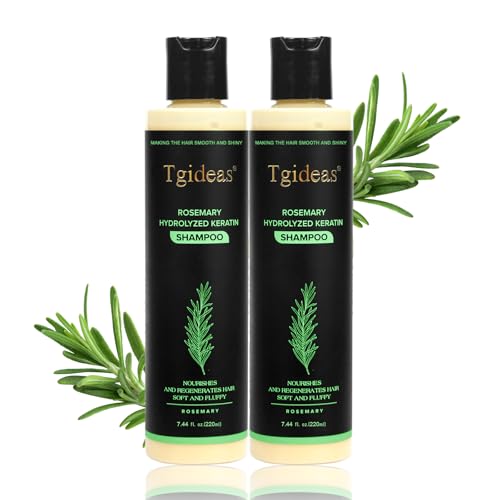
Shampoo exists to clean the scalp, not the ends. Apply shampoo mainly to the scalp, massage gently with fingertips, and let the runoff clean the mid-lengths as you rinse. A clarifying shampoo once a week or every two weeks is useful if you use styling products or have a buildup-prone scalp. For regular washes, a gentle sulfate-free formula is the safer default.
- Use lukewarm water — hot water strips oils faster.
- Do not scratch the scalp with nails; use fingertips.
- Rinse thoroughly — leftover shampoo residue causes dullness and irritation.
3 Conditioner — Mid-Lengths to Ends
Conditioner smooths the cuticle and restores slip, which reduces breakage during detangling. Apply from the mid-shaft to the ends, leave for 1–3 minutes, then rinse. If your scalp is oily, keep conditioner completely off the scalp. For a deeper treatment once or twice a week, swap in a hair mask and follow the recommended processing time.
4 Leave-In Treatment or Hair Oil
On damp hair, a leave-in conditioner adds lasting moisture, and a few drops of hair oil seal the ends and reduce frizz. Apply oil sparingly — one or two drops for fine hair, three to four for thicker or coarser hair. A hair serum is the better choice if you want light smoothing without weight.
5 Gentle Drying and Heat Protection
Pat hair with a microfiber towel or a cotton T-shirt instead of rubbing aggressively. If you blow-dry or style with heat, apply a heat protectant first and keep the tool moving. An ionic hair dryer helps reduce drying time and frizz, and a ceramic straightener offers more even heat distribution than basic plates — always on the lowest effective temperature.
6 Weekly Deep Treatment
Once a week, replace your regular conditioner with a deep mask, or add a bond-building or protein treatment if your hair shows signs of damage. If your hair is prone to tangling, a wide-tooth comb in the shower with conditioner still in is the gentlest detangling method. For scalp-focused care, a scalp scrub every two weeks helps remove buildup without over-cleansing.
Matching the Routine to Your Hair Type
The same six steps apply to everyone, but the frequency and product weight should change based on your hair type. Use the table below as a starting point and adjust based on how your hair responds over two to three weeks.
| Hair Type | Wash Frequency | Key Focus | Best Product Weight |
|---|---|---|---|
| Fine / Oily | Every 1–2 days | Scalp cleansing, lightweight hydration | Entry-level lightweight formulas |
| Dry / Damaged | Every 3–4 days | Moisture retention, protein balance | Mid-range to premium masks and oils |
| Curly / Coily | Every 3–5 days | Deep conditioning, moisture sealing | Mid-tier to high-end creams and butters |
| Color-Treated | Every 2–3 days | Bond repair, color retention | Premium bond-building treatments |
| Sensitive Scalp | Every 2–3 days | Gentle cleansing, irritation control | Fragrance-free mid-range formulas |
Protein vs. Moisture: Which Treatment Do You Need?
This is the single most common source of confusion in haircare. The stretch test is a practical way to decide:
- Stretch test: Take a single wet strand and stretch it gently. If it stretches far and feels mushy or limp, you likely need protein. If it snaps quickly with no stretch, you likely need moisture.
- Protein signs: Hair feels gummy, excessively stretchy, or weak when wet. Use a protein mask or bond-building treatment, then follow with a moisturizing conditioner.
- Moisture signs: Hair feels dry, rough, straw-like, or brittle. Use a deep moisturizing mask and a leave-in conditioner.
- Balance: Never use protein treatments back-to-back without moisture. Most people benefit from alternating: protein once every two weeks, moisture weekly.
Product Tiers: Entry-Level to Luxury
Product tiers describe relative market positioning, not absolute quality. A well-formulated entry-level shampoo can outperform a luxury one for a given hair type. Use the table below to understand what each tier typically delivers.
| Tier | Typical Strengths | Best For |
|---|---|---|
| Entry-level / Budget-friendly | Simple formulas, basic cleansing and conditioning | Oily scalps, frequent washers, first routines |
| Mid-range / Mid-tier | Better ingredient balance, added actives, gentler surfactants | Dry or damaged hair, daily maintenance |
| Premium / High-end | Bond-building technology, concentrated treatments, refined textures | Color-treated, heat-styled, or compromised hair |
| Luxury / Top-tier | Advanced delivery systems, clinical-style formulations, sensory experience | Specific concerns, long-term repair programs |
Common Haircare Mistakes to Avoid
- Applying conditioner to the scalp: This is the fastest route to an oily scalp and flat roots. Keep it on mid-lengths and ends.
- Washing too often with harsh sulfates: Frequent stripping increases oil production and dryness. Match wash frequency to your scalp, not to a habit.
- Skipping heat protectant: Heat damage is cumulative. A protectant is non-negotiable if you blow-dry, straighten, or curl.
- Overusing protein: More protein is not better. Too much makes hair stiff and brittle. Alternate with moisture.
- Rubbing hair with a rough towel: This causes mechanical breakage and frizz. Pat or wrap gently instead.
- Ignoring the scalp: Healthy hair starts with a healthy scalp. Exfoliate gently and avoid scratching.
Frequently Asked Questions
How often should I wash my hair?
Wash frequency depends on hair type and scalp oiliness. Oily scalps may need washing every one to two days, while dry or curly hair often does best with washing every three to four days. Over-washing can strip natural oils and worsen dryness.
What is the correct order for a haircare routine?
The typical order is: pre-shampoo treatment (optional), shampoo, conditioner, then a leave-in product or hair oil. Deep masks are usually used once or twice a week in place of conditioner or as an extra step.
Can damaged hair be repaired?
Hair is not living tissue, so true repair is limited. However, bond-building treatments, protein masks, and moisturizing conditioners can temporarily restore strength, smooth the cuticle, and reduce breakage while new hair grows.
How do I choose between protein and moisturizing treatments?
Hair that feels mushy, stretchy, or limp often benefits from a protein treatment. Hair that feels dry, brittle, or straw-like usually needs moisture. Alternating both based on how your hair feels is a practical approach.