The Ultimate Bath Salt Guide: Benefits, Types & How to Use
Transform your bath into a therapeutic spa experience. Learn everything about bath salts, from mineral benefits to choosing the perfect soak for your needs.
Bath salts have been used for centuries as a simple yet powerful way to promote relaxation, soothe muscles, and rejuvenate the skin. Whether you're looking to unwind after a long day or ease soreness from a workout, the right bath salt can make a world of difference. This comprehensive guide will walk you through the different types of salts, their unique benefits, and how to incorporate them into your self-care routine.
For those who are new to this, think of bath salts as more than just a fragrant addition to your tub. They are mineral-rich compounds that, when dissolved in warm water, can help detoxify the body, reduce inflammation, and even improve sleep quality. As you explore the world of bath salts, you'll find that they are a cornerstone of any wellness routine.
Key Benefits of Bath Salts
Bath salts offer a wide range of benefits that go beyond simple relaxation. Here’s how they can improve your physical and mental well-being:
Muscle Relief
Epsom salts are rich in magnesium, which helps reduce muscle tension and soreness. Ideal for post-workout recovery.
Skin Health
Minerals like magnesium and potassium can help exfoliate dead skin cells, soothe eczema, and improve overall skin hydration.
Stress Reduction
The warm water combined with mineral absorption promotes relaxation and can reduce cortisol levels, helping you de-stress.
Detoxification
Bath salts can help draw out toxins from the body through the skin, supporting your natural detoxification processes.
Types of Bath Salts: Which One is Right for You?
Not all bath salts are created equal. Each type has a unique mineral composition and specific benefits. Understanding these differences will help you choose the perfect soak for your needs.
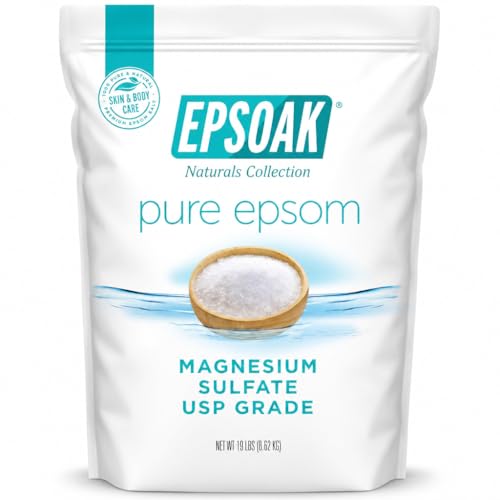
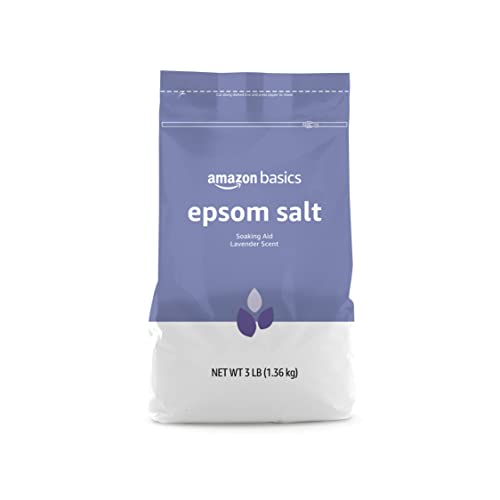
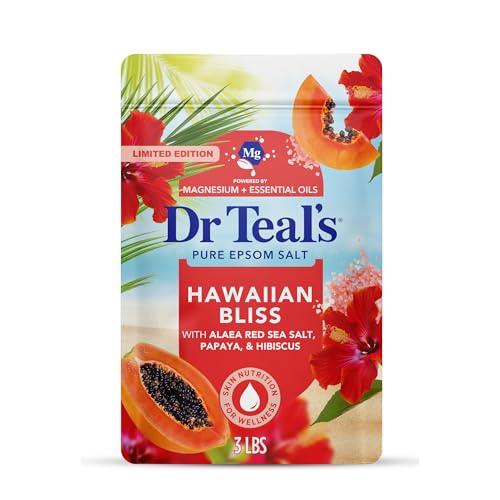
Epsom Salt (Magnesium Sulfate)
This is perhaps the most common type of bath salt. It's renowned for its ability to relieve muscle aches and joint pain. The magnesium in Epsom salt is easily absorbed through the skin, making it a go-to for athletes and anyone with chronic pain. It's also excellent for reducing stress and promoting sleep.
Dead Sea Salt
Harvested from the Dead Sea, this salt is packed with a high concentration of minerals like magnesium, calcium, and potassium. It's particularly beneficial for skin conditions like eczema and psoriasis. It helps to deeply moisturize the skin and improve its barrier function.
Himalayan Pink Salt
Known for its beautiful pink hue, Himalayan salt contains over 80 minerals and trace elements. It's a great choice for detoxifying the body and balancing the skin's pH. Many people find it helps with respiratory issues when used in a warm bath.
Sea Salt
Natural sea salt, particularly from the Celtic or Mediterranean regions, is rich in iodine and magnesium. It acts as a natural exfoliant and can help purify the skin, making it a fantastic choice for those dealing with body acne or oily skin.
How to Use Bath Salts for Maximum Benefit
To get the most out of your bath salt experience, follow these simple steps:
- Water Temperature: Fill your tub with warm (not hot) water. Water that is too hot can dry out your skin and increase your heart rate.
- Amount of Salt: For a standard-sized bath, use about 1/2 to 1 cup of bath salts. You can adjust based on personal preference.
- Dissolve: Add the salts while the water is still running to help them dissolve completely. This prevents undissolved crystals from sitting on the bottom of the tub.
- Soak Time: Soak for at least 15-20 minutes to allow the minerals to absorb into your skin and muscles. For a more intense detox, you can soak for up to 40 minutes.
- Hydrate: Drink a glass of water before, during, or after your bath to stay hydrated, as the warm water can cause you to sweat.
- Rinse and Moisturize: After your soak, rinse off with fresh water and immediately apply a rich moisturizer or body oil to lock in the hydration.
Enhancing Your Bath Salt Experience
Take your bath ritual to the next level by adding a few extra elements. A few drops of essential oils like lavender or eucalyptus can enhance relaxation. Adding a bath bomb can create a more playful and colorful experience. For a truly spa-like atmosphere, dim the lights, light some candles, and play calming music.
Pro Tip: For a DIY spa treatment, mix your bath salts with a carrier oil like jojoba or coconut oil before adding them to the bath. This will help the minerals adhere to your skin and provide extra moisture. You can also explore natural bath recipes for inspiration.
Safety and Precautions
While bath salts are generally safe for most people, there are a few precautions to keep in mind. Avoid bathing in salt water if you have open wounds or severe skin conditions without consulting a doctor. If you have high blood pressure or are pregnant, it's always best to consult with your healthcare provider before using mineral-rich baths. As with any skincare product, clean beauty practices advise checking for any allergies to specific minerals or added fragrances.
Remember, the goal is relaxation and rejuvenation. Listen to your body and adjust the temperature and soak time accordingly. Over-soaking can lead to dizziness or dehydration, so it's important to stay hydrated and get out of the tub if you start to feel uncomfortable.
Final Thoughts
Incorporating bath salts into your routine is a simple yet effective way to enhance your physical and mental health. Whether you choose Epsom salt for muscle relief, Dead Sea salt for skin health, or Himalayan salt for detoxification, you're investing in a moment of peace and well-being. We encourage you to explore our recommended products below to find the perfect bath salt for your unique needs.
By now, you should have a clear understanding of what bath salts are, how they benefit you, and how to use them effectively. If you're looking for more ways to unwind, check out our guides on relaxation techniques and meditation.