What Shampoo Actually Does
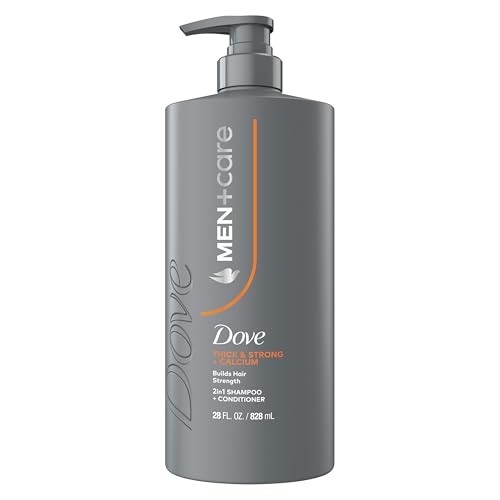
Shampoo is a cleansing product designed to remove sebum, sweat, dead skin cells, and styling product residue from the scalp and hair. A well-formulated shampoo cleanses effectively without stripping the scalp's protective barrier. Modern shampoos go further, incorporating conditioning agents, botanical extracts, and targeted actives that support scalp health and hair manageability.
The key to a good shampoo is balance: it should clean thoroughly but leave your scalp comfortable and your hair feeling soft, not squeaky or tight. Understanding this balance helps you interpret marketing claims and choose a formula that serves your actual needs.
Match Your Shampoo to Your Hair Type
Hair type is the single most important factor in choosing a shampoo. The table below summarizes which formula family suits each hair and scalp profile.
| Hair / Scalp Type | Recommended Shampoo Family | What to Look For |
|---|---|---|
| Oily scalp | Clarifying or balancing shampoo | Gentle surfactants, zinc PCA, salicylic acid, lightweight formulas that don't over-condition the roots |
| Dry or brittle hair | Moisturizing shampoo | Glycerin, hyaluronic acid, fatty alcohols, plant oils, sulfate-free surfactants |
| Color-treated hair | Sulfate-free color-protecting shampoo | Low-sulfate or sulfate-free cleansing agents, UV filters, pH-balanced formulas |
| Curly or coily hair | Hydrating, low-lather shampoo | Creamy texture, no harsh sulfates, curl-friendly conditioning agents, shea butter or oils |
| Sensitive or flaky scalp | Soothing or anti-dandruff shampoo | Fragrance-free options, colloidal oatmeal, tea tree or ketoconazole for dandruff, gentle surfactants |
| Fine or thinning hair | Volumizing shampoo | Lightweight formulas, biotin or panthenol, no heavy silicones or oils near the roots |
If your hair falls between categories — for example, an oily scalp with dry ends — consider a balanced shampoo for the scalp and rely on a conditioner or nourishing hair mask for the lengths. Many people find that a scalp scrub used once a week complements their shampoo routine by removing buildup more thoroughly.
Key Ingredients to Understand
Reading a shampoo label becomes much easier once you know the roles of the main ingredient groups. Here are the categories that matter most:
Surfactants (Cleansing Agents)
The core of any shampoo. Sulfates like sodium laureth sulfate clean aggressively; sulfate-free alternatives such as cocamidopropyl betaine or sodium cocoyl isethionate are gentler. Choose based on scalp oiliness and sensitivity.
Conditioning Agents
Ingredients like glycerin, panthenol, and fatty alcohols improve softness and manageability. They help offset the drying effect of cleansing, especially in daily-use shampoos.
Scalp Actives
Zinc PCA (oil control), salicylic acid (exfoliation), ketoconazole or piroctone olamine (dandruff), and niacinamide (barrier support) address specific scalp concerns.
Botanical Extracts
Aloe, green tea, rosemary, and chamomile add soothing or antioxidant benefits. They enhance the experience but are secondary to the surfactant system.
Silicones
Silicones add slip and shine but can build up on fine hair. Water-soluble silicones are easier to rinse; heavy silicones suit thick or coarse hair better.
Preservatives & Fragrance
Necessary for safety. Sensitive scalps should look for fragrance-free formulas and mild preservative systems to reduce irritation risk.
Pro tip: If you color your hair or have a sensitive scalp, a clean beauty approach can help you filter out potentially irritating ingredients. Pair that with a hair-healthy diet and consistent sleep routine for the best overall results.
How to Wash Your Hair Correctly
Even the best shampoo underperforms with poor technique. Follow these steps for a healthier wash routine:
- Pre-rinse thoroughly. Warm water for 30–60 seconds loosens sebum and product before shampoo touches your hair.
- Focus on the scalp. Apply shampoo to the scalp and massage gently with fingertips — not nails — for about 30 seconds.
- Let it rinse through the lengths. The runoff is usually enough to clean the ends without over-drying them.
- Rinse completely. Leftover shampoo residue can cause irritation, flaking, and dullness.
- Condition mid-lengths to ends. Shampoo cleans; conditioner restores slip and moisture.
- Adjust frequency to your hair. Oily scalps may need daily washing, while dry or curly hair often does better with every two to three days.
For a deeper treatment, consider adding a weekly DIY hair mask or a pre-wash scalp scrub to keep buildup in check. A nourishing hair mask once or twice a week pairs well with any shampoo routine.
Common Shampoo Mistakes to Avoid
- Over-washing. Washing too frequently with a strong formula can trigger rebound oiliness and scalp irritation.
- Using the wrong formula. A heavy moisturizing shampoo on an oily scalp can weigh hair down and cause buildup.
- Ignoring the scalp. Shampoo is primarily a scalp product; most damage comes from treating it as a hair product only.
- Skipping conditioner. Unless your shampoo is a 2-in-1, conditioning is essential to maintain hair fiber health.
- Not rotating formulas. Alternating a clarifying shampoo with a moisturizing one can help prevent buildup without over-stripping.
If you use styling products regularly, a scalp scrub or a dry shampoo between washes can help extend your style without over-washing. For men looking to refine their routine, the men's hygiene routine guide covers shampoo and scalp care in detail.
Frequently Asked Questions
How often should I wash my hair with shampoo?
It depends on your hair type and lifestyle. Oily hair may need daily washing, while dry or curly hair often thrives with washing every two to three days. Over-washing can strip natural oils, so observe how your scalp and hair respond and adjust your routine.
Is sulfate-free shampoo better for my hair?
Sulfate-free shampoos are gentler and better suited for dry, color-treated, or sensitive scalps. Standard sulfates clean more aggressively, which can be helpful for oily scalps. The right choice depends on your hair and scalp condition.
What is the difference between clarifying and moisturizing shampoo?
Clarifying shampoo removes product buildup and excess oils, and is typically used occasionally. Moisturizing shampoo delivers hydration and is ideal for dry or damaged hair. Many people use clarifying shampoo once or twice a month alongside a regular moisturizing formula.
Can shampoo help with hair loss or thinning?
Shampoo alone cannot reverse hereditary hair loss, but formulas with caffeine, ketoconazole, or niacinamide can support scalp health and reduce shedding caused by irritation or buildup. For thinning hair, see our thinning hair guide for a broader approach.
Should I use the same shampoo every day?
You can, but rotating between a moisturizing and a clarifying formula helps prevent buildup and keeps the scalp balanced. If your hair feels heavy or dull, it may be time for a clarifying wash.
How to Choose Before You Buy
Buying Checklist
Before adding a shampoo to your cart, run through this checklist:
- Identify your scalp type first: oily, balanced, dry, or sensitive.
- Match the surfactant system: sulfate-free for dry or color-treated hair; standard sulfates for oily scalps that need stronger cleansing.
- Check for target actives: zinc PCA or salicylic acid for oil control; ketoconazole or piroctone olamine for dandruff; glycerin or hyaluronic acid for hydration.
- Consider fragrance sensitivity: fragrance-free options are safer for reactive scalps.
- Plan your routine: pair your shampoo with a suitable conditioner and an occasional clarifying wash.
For more context on complementary steps, see our guides on haircare, scalp scrubs, and DIY hair masks. And if you are exploring other beauty categories, the getting started guide is a good place to begin.
Editorial note: This guide is educational. Shampoo needs vary by individual; if you have a scalp condition, consult a dermatologist. See our full disclaimer and affiliate disclosure.