Body Trimming Guide: Master the Art of Male Grooming
A complete, no-nonsense guide to trimming chest, back, and body hair. Learn professional techniques, discover the best tools, and build a hygiene routine that works.
FIND THE BEST BODY GROOMERSWhy This Guide Matters: Body grooming is a cornerstone of modern men's hygiene. Whether you want a neat, trimmed look or a completely smooth finish, using the right technique prevents razor burn, ingrown hairs, and irritation. This guide covers everything from pre-trim preparation to aftercare for sensitive areas.
Understanding Body Hair Grooming
Body trimming is not just about aesthetics; it's a key component of a solid men's hygiene routine. It helps reduce sweat and odor, improves muscle definition, and boosts confidence. However, improper technique can lead to discomfort. This is especially true when grooming sensitive areas, where the skin is thinner and more prone to irritation. Before you start, understand that grooming is a personal choice, and the goal is to achieve a look that makes you feel best.
Choosing the Right Tool for the Job
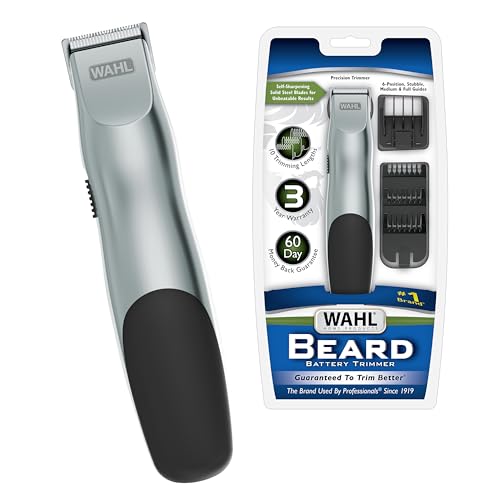
The most critical decision in body grooming is selecting the right tool. Using a standard beard trimmer on your body can lead to nicks and cuts. Instead, look for a dedicated body groomer. These devices are engineered with skin-safe blades and adjustable combs to handle different hair lengths across various body parts, from the dense hair on your chest hair grooming areas to the hard-to-reach spots on your back.
Dedicated Body Groomer
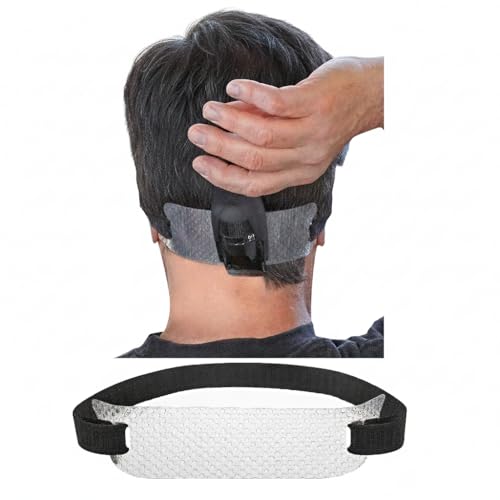
A quality body groomer is a game-changer. Look for features like a pivoting head to follow body contours, multiple length settings (from 3mm to 15mm+), and a fully washable design for easy cleaning. Many come with attachments specifically designed for back hair removal, allowing you to groom independently without assistance. Investing in a reliable tool is the first step toward a safe and effective grooming experience.
Pre-Trimming Preparation
Never trim on unprepared skin. The right preparation can make the difference between a comfortable grooming session and days of painful razor bumps. Start by taking a warm shower. The warm water softens the hair follicles and opens your pores, making the hair significantly easier to cut. During your shower, use a gentle body wash to cleanse the skin. For an even smoother result, consider gently exfoliating with a body scrub to remove dead skin cells, which helps prevent ingrown hairs. After showering, ensure your skin is completely dry before you start trimming; clippers work best on dry hair and don't slip on damp skin.
Step-by-Step Body Trimming Technique
Follow this structured approach for a smooth, even trim every time. We’ll start with larger, flatter areas and move to more intricate zones.
-
1
Start with the Chest and Torso
Attach a longer guard to your body groomer (around 9mm-12mm) for an initial pass. Trim against the grain for an even reduction. For a more defined look, you can fade the hair by using progressively shorter guards as you move from the upper chest down to the stomach. If you want a completely smooth result on the chest, this is where you’d switch to a body exfoliator routine after trimming to prepare for a close shave, but for a natural trimmed look, one pass is often enough.
-
2
Tackle the Back and Shoulders
Back hair removal is notoriously tricky. Use a groomer with an extendable handle or a specialized back attachment. Start from the middle back and work your way outward. Use a medium guard (6mm-9mm) unless you prefer a completely bare finish. A wall-mounted mirror is an invaluable tool here to spot patches you’ve missed around the shoulder blades and lower back.
-
3
Trim Arms and Legs
The goal here is usually evenness, not complete removal. Use a 6mm-9mm guard to lightly go over the hair. For legs, pay extra attention around the knees, where the skin is flexible and easily nicked if you rush. If you maintain a dedicated skincare routine, applying a body lotion after this step is crucial to replenish moisture and soothe the skin.
-
4
Navigate the Groin and Sensitive Areas
This area demands the utmost care. Always use a groin-safe attachment or a dedicated tool with minimal blade exposure. Keep the skin taut with your free hand, and use a very short guard (3mm) or the tool's protective comb. Never use a full-length beard trimmer. For specific instructions on safety and comfort, read our dedicated guide on grooming sensitive areas. Patience is key here.
Post-Trim Aftercare
Your grooming routine doesn't end when you put the clippers down. Proper aftercare is non-negotiable. Immediately after trimming, rinse off all loose hairs in a cool shower to close your pores. Avoid hot water, which can further irritate freshly groomed skin. Gently pat yourself dry; don't rub. Next, apply a soothing, alcohol-free product to calm the skin. An aloe vera gel or a lightweight body oil works wonders for deep moisturization without clogging pores. Avoid tight clothing for a few hours to allow the skin to breathe and recover fully.
Body Trimmer vs. Manscaping Tools: A Quick Comparison
| Feature | Dedicated Body Groomer | Standard Beard Trimmer | Multi-Function Kit |
|---|---|---|---|
| Skin Safety | Excellent - Rounded blade tips | Moderate - Sharper blades | Good - With specific head |
| Wet/Dry Use | Yes - 100% waterproof | Rarely | Most models |
| Price Range | $50–$100+ | $30–$80 | $60–$150+ |
| Best For | Full body, sensitive skin | Face only (not recommended for body) | Versatile all-in-one grooming |
While a dedicated body groomer is the gold standard for safety and comfort, a premium all-in-one men's grooming kit can be a great investment if you also need tools for beard styling, detail work, and even nose hair trimming. The key is ensuring any tool used on your body is specifically designed for that purpose. For a smooth, clean shave on areas like the chest or legs, you might eventually transition to using a shaving cream or gel after your initial trim.
Maintaining Your Grooming Tools
Your tools are an investment in your personal care. After each use, brush away loose hairs from the blades. If your groomer is waterproof, rinse it under the tap and let it air dry completely before storage. Periodically oil the blades to maintain sharpness and prevent rust. Replacing blades or foil heads as recommended by the manufacturer ensures every trim is as hygienic and comfortable as the first. This level of care is just as important as selecting the right beauty tools for any other grooming task.