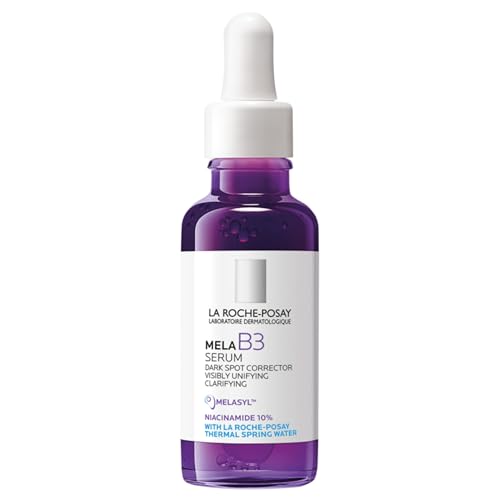
Dark Spot Treatment for Face: Your Complete Guide to Clearer, More Even Skin
Understand what causes facial dark spots, which ingredients actually work, and how to build a realistic routine that fades hyperpigmentation without irritating your skin.
EXPLORE TREATMENT OPTIONSQuick summary: Dark spots on the face are usually caused by excess melanin triggered by sun exposure, inflammation, or hormonal changes. An effective dark spot treatment routine combines daily broad-spectrum sunscreen, one or two targeted brightening ingredients such as vitamin C or niacinamide, gentle exfoliation, and consistent patience. Most routines need at least 8 to 12 weeks of daily use before visible improvement.
What Are Dark Spots on the Face?
Dark spots, also called hyperpigmentation, are areas where the skin produces more melanin than the surrounding tissue. They can appear as small freckle-like dots, larger patches, or post-inflammatory marks left behind after acne. While they are rarely a medical concern, they are one of the most common reasons people seek skincare guidance.
Understanding the type of pigmentation you are dealing with matters because different dark spot treatments work through different mechanisms. Sun-induced spots, post-acne marks, and hormonal melasma each respond best to slightly different approaches. If you are also dealing with blackheads or congestion, it helps to address cleansing and pore care separately, for example by reviewing a reliable cleanser guide before layering active brightening ingredients.
Common types of facial hyperpigmentation
- Sun spots (solar lentigines): Flat brown marks caused by cumulative UV exposure, most common on the cheeks, nose, and forehead.
- Post-inflammatory hyperpigmentation (PIH): Dark marks left after acne, eczema, or skin injury, especially common in medium to deeper skin tones.
- Melasma: Larger, symmetrical patches often triggered by hormones and sun exposure, frequently on the upper cheeks and forehead.
- Freckles and genetic pigmentation: Small spots that darken with sun exposure and are largely determined by genetics.
What Causes Dark Spots to Form?
Melanin production is controlled by specialized cells called melanocytes. When those cells are stimulated, they release pigment that darkens the skin. The most common triggers include:
- Ultraviolet exposure: The single biggest driver of new spots and the reason existing spots darken after time outdoors.
- Inflammation: Acne, picking, harsh scrubs, and even aggressive product use can leave dark marks behind.
- Hormonal changes: Pregnancy, contraceptive use, and thyroid changes can contribute to melasma.
- Visible light and heat: Blue light from screens and heat from cooking or hot environments can worsen some pigmentation, particularly melasma.
- Age and cumulative sun history: Spots that were invisible in your twenties often surface later as skin turnover slows.
Because inflammation is a major trigger, treating dark spots aggressively with strong scrubs or too many actives at once can backfire. A calmer, consistent routine is usually more effective than an intense one. If your skin is also dry or reactive, pairing brightening ingredients with a gentle deep moisturizer for dry skin helps maintain the barrier while you treat pigmentation.
Which Ingredients Actually Work for Dark Spots?
Dermatologists generally agree that a small number of well-studied ingredients do the heavy lifting in dark spot treatment. Rather than buying many products, choose one or two actives that suit your skin and use them consistently.
| Ingredient | How It Helps | Best For |
|---|---|---|
| Vitamin C | Antioxidant that interferes with melanin production and brightens overall tone. | Sun-induced spots, dullness, early prevention |
| Niacinamide | Reduces pigment transfer to surface skin cells and supports the barrier. | Most skin types, including sensitive skin |
| Azelaic acid | Calms inflammation and slows excess melanin production. | Post-acne marks, rosacea-prone skin |
| Tranexamic acid | Targets pigment pathways linked to melasma and stubborn patches. | Melasma, persistent pigmentation |
| Kojic acid | Plant-derived brightener that inhibits melanin synthesis. | Small, distinct spots and uneven tone |
| Retinoids | Accelerate cell turnover and help fade pigmented surface cells. | Stubborn spots, overall texture improvement |
| Alpha hydroxy acids | Gently exfoliate pigmented surface cells to reveal brighter skin. | Dullness, surface-level discoloration |
If you prefer plant-forward formulations, many of these actives appear in natural and organic lines. Browsing a curated selection of organic serums is a practical way to find brightening products that also respect sensitive skin. For those who enjoy at-home routines, gentle options like an aloe vera base or green tea skincare can soothe the skin while treatment actives do their work.
Editorial note on product tiers: Dark spot treatments range from budget-friendly pharmacy options to premium clinical formulas. Entry-level products often rely on a single active such as niacinamide, while mid-range and high-end formulas tend to combine multiple brighteners with stabilizers and barrier-supporting ingredients. More expensive does not automatically mean more effective; consistency and sun protection matter far more than tier.
How to Build a Dark Spot Treatment Routine
A simple, repeatable routine outperforms a complicated one. The structure below works for most skin types and can be adjusted for sensitivity.
Morning routine
- Gentle cleanse: Remove overnight product residue without stripping the skin.
- Vitamin C or niacinamide serum: Apply to clean, dry skin for antioxidant and brightening support.
- Moisturizer: Lock in hydration and support the skin barrier.
- Broad-spectrum sunscreen SPF 30 or higher: The most important step for preventing new spots and protecting progress.
Evening routine
- Remove sunscreen and makeup: A thorough cleanse, or double cleansing if you wear heavy sunscreen, ensures actives can penetrate.
- Targeted treatment: Alternate between a brightening serum and a retinoid on different nights if you use both.
- Moisturizer: Replenish lipids and calm the skin overnight.
If you wear daily sunscreen, a proper double cleansing routine in the evening helps prevent residue buildup that can dull the skin and interfere with treatment absorption. For a comprehensive walkthrough of cleansing and layering, see this skincare routine guide if available, or start with the basics and expand gradually.
Sun Protection: The Non-Negotiable Step
No dark spot treatment can out-perform unprotected sun exposure. UV rays stimulate melanocytes directly and can darken existing spots within hours. A broad-spectrum sunscreen with SPF 30 or higher should be applied every morning, about two finger-lengths for the face and neck, and reapplied after two hours of sun exposure or after swimming and heavy sweating.
For sensitive or acne-prone skin, mineral formulas with zinc oxide or titanium dioxide are often better tolerated. If you are unsure which type suits you, a dermatologist-recommended sunscreen for the face is a safe starting point. Tinted sunscreens with iron oxides also help block visible light, which is particularly useful for melasma.
When to Consider Professional Treatments
Topical products handle most mild to moderate pigmentation, but stubborn or deep spots may need in-office help. Dermatologists may recommend chemical peels, laser therapy, microneedling, or prescription-strength brightening agents. These options are effective but require professional assessment because the wrong treatment can worsen pigmentation, especially in deeper skin tones.
At-home tools can complement professional care, but they are not a substitute. Devices such as an LED light therapy device or a gentle micro-needling routine are sometimes used to support product absorption and skin renewal. Always introduce one new device or treatment at a time so you can identify what works and what irritates your skin.
Common Mistakes That Slow Down Progress
- Skipping sunscreen: The most common reason dark spots return or fail to fade.
- Using too many actives at once: Layering vitamin C, retinol, and acids together often causes irritation, which can create new pigmentation.
- Expecting overnight results: Skin turnover takes weeks; visible fading usually requires 8 to 12 weeks of consistent use.
- Picking at acne: This deepens inflammation and increases the risk of post-inflammatory marks.
- Over-exfoliating: Harsh scrubs damage the barrier and can make pigmentation worse.
- Ignoring product labels: Some brightening ingredients degrade in sunlight and need opaque or airless packaging.
Lifestyle Habits That Support Clearer Skin
Treatment products work best when the skin is healthy and the body is well supported. Sleep, stress management, and nutrition all influence skin recovery and inflammation levels.
- Sleep: Skin repair peaks overnight, so consistent rest supports healing. A simple sleep routine can make a measurable difference.
- Stress: Chronic stress raises inflammation, which can worsen pigmentation. Stress management techniques are a worthwhile investment.
- Diet: Antioxidant-rich foods and a balanced skin health diet support overall skin resilience.
- Gentle movement: Regular activity improves circulation. Yoga for glowing skin is a low-impact option that many people find helpful.
How to Choose Dark Spot Products
Rather than buying every brightening product on the shelf, focus on a small number of well-formulated items:
- One antioxidant serum: Vitamin C in the morning, or niacinamide if your skin is sensitive.
- One targeted treatment: Azelaic acid, tranexamic acid, or a retinoid used a few nights per week.
- One gentle exfoliant: A low-percentage AHA or PHA used once or twice weekly if your skin tolerates it.
- A reliable sunscreen: SPF 30 or higher, broad-spectrum, reapplied consistently.
- A barrier-supporting moisturizer: Ceramides, glycerin, and panthenol help offset the drying effects of actives.
When comparing products, look for ingredient concentrations that match your experience level. Entry-level formulas often use lower percentages of actives and are a sensible starting point. Mid-range and premium formulas may add stabilizers, delivery systems, and soothing ingredients, but they are not automatically better. If you are exploring where to shop, reviewing a beauty store overview or a beauty products category page can help you compare options without being overwhelmed.
What Results Can You Realistically Expect?
Most people see subtle improvement within four weeks and more noticeable fading by the eight-to-twelve week mark. Deep or long-standing pigmentation may take several months and may not clear completely. Consistency is the single strongest predictor of success.
It is also normal for spots to look slightly darker before they fade, especially when you begin using a retinoid that speeds up cell turnover. If irritation, burning, or significant peeling occurs, reduce the frequency of actives and focus on barrier repair before resuming treatment.
Frequently Asked Questions
How long does it take for dark spot treatments to work?
Most topical treatments require consistent use for at least 8 to 12 weeks before noticeable fading occurs. Ingredients like niacinamide and vitamin C may show subtle improvement sooner, while retinoids typically need a full skin cycle of 12 weeks or more. Sun protection is essential throughout, as unprotected UV exposure can undo progress.
What is the best ingredient for dark spots on the face?
There is no single best ingredient for everyone. Vitamin C, niacinamide, azelaic acid, tranexamic acid, kojic acid, and retinoids are all well-supported options. The best choice depends on your skin type, sensitivity level, and whether the spots are caused by sun damage, post-acne marks, or hormonal pigmentation. Many dermatologists recommend starting with a gentle ingredient like niacinamide and layering additional actives gradually.
Can dark spots on the face be removed permanently?
Dark spots can fade significantly with consistent treatment, but they are not always permanently removed. Pigmentation can return with sun exposure, hormonal changes, or skin inflammation. A maintenance routine that includes daily broad-spectrum sunscreen and periodic use of brightening ingredients helps keep results stable over time. In-office procedures may be recommended for stubborn or deep pigmentation.
Should I use dark spot treatment every day?
Most brightening serums and creams can be used once or twice daily, but frequency depends on the active ingredient. Retinoids should be introduced slowly, starting two to three nights per week and increasing as tolerated. Exfoliating acids should not be used daily unless formulated for daily use. Always follow the product directions and reduce frequency if irritation occurs.
Is sunscreen necessary when treating dark spots?
Yes. Sunscreen is the most important part of any dark spot treatment routine. UV exposure triggers melanin production and can darken existing spots while preventing treatments from working. A broad-spectrum sunscreen with SPF 30 or higher should be applied every morning, even on cloudy days, and reapplied after prolonged sun exposure.
Related Reading
If you would like to explore adjacent topics, the following guides may be useful as you refine your routine: