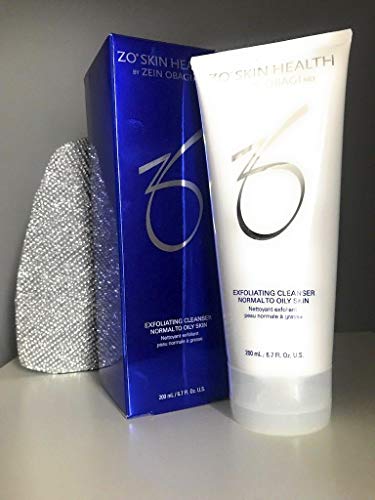
Exfoliating Cleanser: The Key to Smoother, Brighter Skin
Discover how the right exfoliating cleanser can transform your skincare routine by removing dead skin cells, unclogging pores, and revealing a radiant complexion.
START YOUR GUIDEWhy Exfoliating Cleansers Matter: A good exfoliating cleanser does double duty—it cleanses away impurities while gently sloughing off dead skin cells. This two-in-one approach saves time and delivers visible results, making it a smart addition to any skincare regimen.
What Is an Exfoliating Cleanser?
An exfoliating cleanser is a skincare product that combines the cleansing action of a face wash with exfoliating ingredients designed to remove dead skin cells from the surface of your skin. Unlike a traditional cleanser that primarily removes dirt, oil, and makeup, an exfoliating cleanser goes a step further by promoting cell turnover and refining skin texture.
These cleansers come in two main categories: physical (or mechanical) exfoliants that use small particles to manually buff away dead skin, and chemical exfoliants that use ingredients like alpha-hydroxy acids (AHAs) or beta-hydroxy acids (BHAs) to dissolve the bonds holding dead skin cells together. Many modern exfoliating cleansers blend both approaches for a comprehensive experience.
Whether you're dealing with dullness, rough texture, or clogged pores, incorporating an exfoliating cleanser into your routine can be a game-changer. If you're new to skincare and want to build a solid foundation, start with our getting started guide to understand the basics before adding exfoliation to your regimen.
Types of Exfoliating Cleansers
Understanding the different types of exfoliating cleansers will help you choose the one that best suits your skin type and concerns. Here's a breakdown of the main categories:
Physical Exfoliating Cleansers
These contain tiny particles—such as jojoba beads, sugar, salt, or crushed walnut shells—that physically buff away dead skin cells when you massage the product onto your face. They provide immediate smoothing effects but require a gentle touch to avoid micro-tears. Look for exfoliating cleansers with rounded, biodegradable beads for the safest experience.
Chemical Exfoliating Cleansers
Formulated with AHAs (like glycolic or lactic acid) or BHAs (like salicylic acid), these cleansers dissolve dead skin cells without any abrasive action. They're ideal for sensitive skin types and those who prefer a gentler approach. BHA-based cleansers are particularly effective for oily and acne-prone skin.
Enzyme Exfoliating Cleansers
These use fruit enzymes—such as papain from papaya or bromelain from pineapple—to gently digest dead skin cells. Enzyme cleansers are among the gentlest options and are excellent for dry or mature skin that needs a mild refresh without irritation.
Daily vs. Weekly Exfoliating Cleansers
Some exfoliating cleansers are formulated for daily use with very mild exfoliating agents, while others are more intensive and should only be used two to three times per week. Always read the product instructions and adjust frequency based on your skin's tolerance. For more on cleansers, see our cleanser guide.
Benefits of Using an Exfoliating Cleanser
Regular exfoliation offers a wide range of benefits that go beyond just smoother skin. Here's what you can expect when you incorporate an exfoliating cleanser into your routine:
- Brighter complexion: By removing the dull layer of dead skin cells, exfoliating cleansers reveal the fresher, more radiant skin underneath. This instant brightening effect is one of the most noticeable benefits.
- Improved skin texture: Exfoliation smooths rough patches and minimizes the appearance of fine lines, making your skin feel softer and look more refined over time.
- Unclogged pores: Exfoliating cleansers help prevent pores from becoming blocked with oil and dead skin, reducing the likelihood of blackheads and breakouts. This is especially important for those with oily or acne-prone skin—consider pairing with a gentle oil cleanser if you have dry skin.
- Better product absorption: When dead skin cells are removed, your serums, moisturizers, and treatments can penetrate more effectively, maximizing their benefits. Learn more about face serums that work well after exfoliation.
- More even skin tone: Regular exfoliation helps fade dark spots and post-acne marks by promoting cell turnover, leading to a more uniform complexion.
How to Choose the Right Exfoliating Cleanser
Selecting the right exfoliating cleanser depends on several factors, including your skin type, concerns, and lifestyle. Here's a practical guide to help you make an informed decision:
| Skin Type | Recommended Exfoliating Cleanser | Key Ingredients to Look For |
|---|---|---|
| Oily / Acne-Prone | Chemical exfoliating cleansers with BHA (salicylic acid) | Salicylic acid, glycolic acid, tea tree oil |
| Dry / Dehydrated | Gentle enzyme or mild AHA cleansers | Lactic acid, papaya enzyme, glycerin, hyaluronic acid |
| Sensitive | Very mild enzyme cleansers or PHA-based formulas | Gluconolactone, papain, aloe vera, oat extract |
| Combination | Balanced AHA/BHA cleansers or gentle physical exfoliants | Mandelic acid, jojoba beads, green tea extract |
| Mature / Aging | AHAs or enzyme cleansers that also hydrate | Glycolic acid, lactic acid, peptides, vitamin E |
When in doubt, start with a gentle formula and use it two to three times per week. You can gradually increase frequency as your skin builds tolerance. If you have sensitive skin, consider exploring our cleanser for dry sensitive skin recommendations to find a formula that won't cause irritation.
How to Use an Exfoliating Cleanser Correctly
Using an exfoliating cleanser the right way ensures you get the benefits without irritating your skin. Follow these steps for optimal results:
- Start with a damp face: Wet your skin with lukewarm water before applying the cleanser. This helps the product spread evenly and prevents unnecessary tugging.
- Apply gently: Squeeze a small amount onto your fingertips and massage it onto your face in gentle, circular motions. Avoid scrubbing aggressively, especially with physical exfoliants.
- Mind the time: Limit contact time to 30–60 seconds for chemical exfoliants and no more than 30 seconds for physical ones. Rinse thoroughly with lukewarm water.
- Follow with moisturizer: Exfoliation can temporarily make your skin more sensitive, so always follow up with a hydrating moisturizer. If you're using a face serum, apply it after cleansing and before moisturizing.
- Use sunscreen daily: Exfoliated skin is more vulnerable to sun damage, so apply a broad-spectrum sunscreen every morning. Explore our dermatologist-recommended sunscreen for face options.
💡 Pro Tip: If you're using a chemical exfoliating cleanser, avoid combining it with other strong actives like retinol or vitamin C in the same routine to prevent irritation. For a comprehensive approach to exfoliation, learn more about our double cleansing routine which pairs well with exfoliating cleansers.
Common Mistakes to Avoid with Exfoliating Cleansers
Even the best exfoliating cleanser can cause problems if used incorrectly. Watch out for these common pitfalls:
- Over-exfoliating: Using an exfoliating cleanser too frequently can strip your skin's moisture barrier, leading to redness, irritation, and increased sensitivity. Stick to two to three times per week unless the product is specifically formulated for daily use.
- Scrubbing too hard: Physical exfoliants require a light touch. Aggressive scrubbing can cause micro-tears in the skin, which can lead to inflammation and breakouts.
- Ignoring your skin's signals: If your skin becomes red, tight, or irritated after exfoliation, scale back. Your skin's health should always be the priority.
- Skipping moisturizer: Exfoliation removes dead skin cells but also can leave your skin feeling dry if you don't replenish moisture. Always follow with a good moisturizer—our deep moisturizer for dry skin guide can help you choose.
Frequently Asked Questions About Exfoliating Cleansers
Can I use an exfoliating cleanser every day?
It depends on the formula. Some mild exfoliating cleansers are designed for daily use, while others are more intensive and should be limited to two to three times per week. Always check the product's instructions and pay attention to how your skin responds. If you have sensitive skin, start with weekly use and increase gradually.
Should I use an exfoliating cleanser if I have sensitive skin?
Yes, but choose carefully. Enzyme-based cleansers and PHA-based chemical exfoliants are among the gentlest options for sensitive skin. Avoid harsh physical scrubs with irregular particles. If you're unsure, consult our sensitive skin cleanser guide for more detailed recommendations.
Can an exfoliating cleanser replace my regular cleanser?
An exfoliating cleanser can serve as your primary cleanser if it's gentle enough for regular use. However, many people prefer to use a regular cleanser daily and an exfoliating cleanser a few times per week. If you wear heavy makeup or sunscreen, consider a double cleansing routine first to ensure thorough removal before exfoliating.
What's the difference between a physical and chemical exfoliating cleanser?
Physical exfoliating cleansers use small particles to manually buff away dead skin cells, providing immediate smoothing results. Chemical exfoliating cleansers use acids or enzymes to dissolve the bonds between dead skin cells, offering a more even and thorough exfoliation over time. Both can be effective—your choice depends on your skin type and personal preference.
How do I know if an exfoliating cleanser is too harsh for my skin?
Signs that an exfoliating cleanser is too harsh include redness, stinging, tightness, flaking, and increased sensitivity. If you experience any of these symptoms, discontinue use or reduce frequency. Always patch-test new products on a small area of skin before applying them to your entire face. If irritation persists, consult a dermatologist.
Can exfoliating cleansers help with acne?
Yes, particularly BHA-based exfoliating cleansers containing salicylic acid. BHA is oil-soluble, meaning it can penetrate pores and help dissolve the oil and dead skin cells that contribute to acne. However, exfoliating cleansers should be part of a broader acne management routine that includes gentle cleansing, moisturizing, and sun protection.
Final Thoughts
An exfoliating cleanser is a valuable addition to any skincare routine, offering a convenient way to cleanse and rejuvenate your skin in one step. By choosing the right formula for your skin type and using it correctly, you can enjoy smoother texture, brighter tone, and more effective absorption of your other skincare products.
Remember to start slowly, listen to your skin, and always prioritize gentle care over aggressive exfoliation. Whether you opt for a physical, chemical, or enzyme-based exfoliating cleanser, consistency and moderation are the keys to success. For more skincare guidance, explore our full range of beauty products and beauty tools resources.