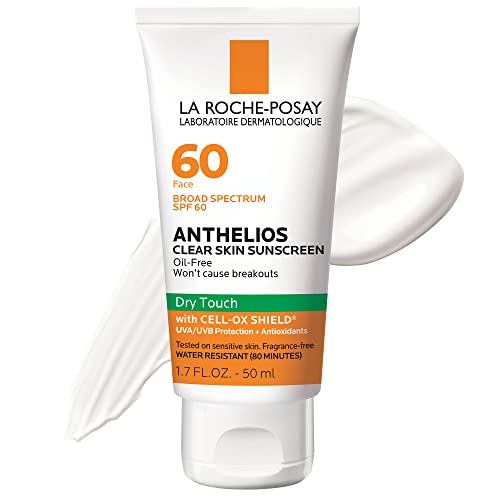
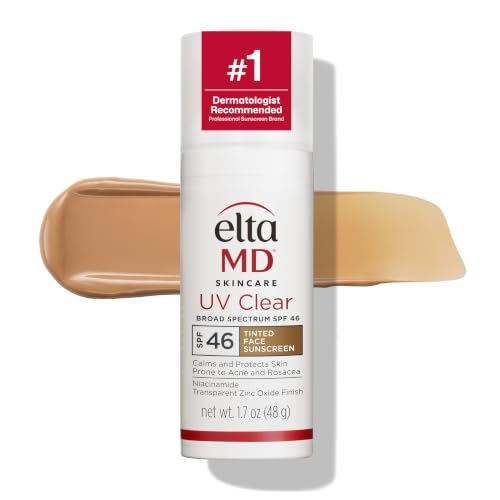
Dermatologist Recommended Sunscreen for Face
Daily sun protection is the single most effective anti-aging step you can take. Learn how dermatologists choose facial sunscreen, which filters protect best, and how to pick the right formula for your skin type.
START YOUR SUN SAFE ROUTINEWhy dermatologists are unanimous: UV radiation is responsible for up to 90% of visible skin aging, including wrinkles, dark spots, and loss of firmness. A broad-spectrum facial sunscreen worn every day — rain or shine — is the foundation of any serious skincare routine, regardless of your skin type or tone.
Why Daily Facial Sunscreen Matters More Than You Think
Dermatologists consistently rank sunscreen as the most important skincare product you can use. Unlike serums or moisturizers that address specific concerns, sunscreen works preventively — it shields your skin from the cumulative damage that builds up over decades of casual sun exposure. UVA rays penetrate glass and clouds, reaching deep into the dermis where they break down collagen and elastin. UVB rays cause the visible sunburns that damage DNA in surface skin cells. Both contribute to premature aging and increase skin cancer risk over time.
For those building a complete skincare routine, sun protection should come immediately after your daytime moisturizer. If you are still assembling your core regimen, our complete skincare routine guide explains where sunscreen fits into a morning and evening schedule. Pairing sunscreen with a well-formulated face serum — such as a vitamin C or antioxidant formula — can further defend against environmental damage.
The misconception that darker skin tones do not need daily sunscreen remains widespread. While melanin offers some baseline protection, it does not prevent hyperpigmentation, uneven tone, or skin cancer. Dermatologists recommend sunscreen for every skin tone, every day.
How Dermatologists Choose a Facial Sunscreen
When dermatologists recommend a face sunscreen, they evaluate several factors beyond the SPF number printed on the label. The ideal formula balances protection, texture, and tolerability for daily use. The most important criteria include:
- Broad-spectrum protection: Covers both UVA and UVB rays. Look for "broad spectrum" on the label or PA+++ / PA++++ ratings common in Asian and European formulas.
- SPF 30 or higher: SPF 30 blocks about 97% of UVB rays, while SPF 50 blocks about 98%. Higher SPF provides a larger safety margin for imperfect application.
- Non-comedogenic: Formulated to avoid clogging pores — essential for acne-prone and oily skin types.
- Photostable filters: Chemical filters that do not degrade quickly under sunlight, maintaining protection longer between reapplications.
- Elegant texture: A sunscreen you enjoy wearing is one you will actually use daily. Lightweight gels, fluids, and lotions encourage consistent application.
- Skin-type compatibility: Sensitive skin benefits from mineral filters; oily skin often prefers oil-free chemical or hybrid formulas; dry skin benefits from hydrating ingredients like glycerin or hyaluronic acid.
Mineral vs Chemical Sunscreen: Which Is Better for the Face?
This is the most common question dermatologists hear from patients. The truth is that both categories are safe and effective when formulated correctly. The best choice depends on your skin type, sensitivity, and lifestyle preferences.
| Feature | Mineral (Physical) Sunscreen | Chemical (Organic) Sunscreen |
|---|---|---|
| Active filters | Zinc oxide, titanium dioxide | Avobenzone, oxybenzone, octinoxate, octocrylene, etc. |
| How it works | Sits on skin surface, reflecting and scattering UV rays | Absorbs UV rays and converts them into harmless heat |
| Best for | Sensitive skin, reactive skin, post-procedure skin, children | Oily skin, acne-prone skin, deeper skin tones (less white cast) |
| Texture | Often thicker; newer tinted or micronized formulas are lighter | Typically lightweight, fluid, and easier to layer under makeup |
| White cast | More likely, especially on deeper skin tones (tinted versions help) | Minimal to none |
| Reapplication | Works immediately upon application | Requires 15–20 minutes to activate before sun exposure |
Choosing the Right Face Sunscreen for Your Skin Type
Dermatologists tailor sunscreen recommendations to individual skin types. A formula that works beautifully for dry skin may feel greasy on oily skin, and a lightweight chemical sunscreen that suits combination skin could irritate sensitive skin. Here is how to match the formula to your skin:
| Skin Type | Recommended Formula | Key Ingredients to Look For |
|---|---|---|
| Oily / Acne-prone | Oil-free gel, fluid, or mattifying lotion (typically mid-range to premium) | Niacinamide, silica, dimethicone-free options, non-comedogenic labels |
| Dry / Dehydrated | Creamy lotion or hydrating fluid (entry-level to high-end) | Glycerin, hyaluronic acid, ceramides, squalane |
| Sensitive / Reactive | Mineral sunscreen with minimal ingredients (mid-tier to luxury) | Zinc oxide, titanium dioxide, fragrance-free, alcohol-free |
| Combination | Lightweight fluid or hybrid lotion (affordable to premium) | Balanced hydration without heavy oils, niacinamide |
| Mature / Dry | Rich cream or tinted moisturizer with SPF (mid-range to top-tier) | Peptides, antioxidants, ceramides, vitamin E |
| Deep skin tones | Chemical or tinted mineral formula (affordable to luxury) | Invisible finish, no white cast, iron oxides for blue light protection |
How to Apply Facial Sunscreen Correctly
Even the best dermatologist-recommended sunscreen only works if you apply it correctly and consistently. Studies show that most people apply only 25–50% of the amount used in lab testing, which means the real-world SPF is far lower than the label claims. Follow these application guidelines to get the protection you paid for:
- Use enough product: Approximately two finger-lengths of sunscreen for the face and neck. For a fluid formula, this is roughly a nickel-sized amount.
- Apply before sun exposure: Chemical sunscreens need 15–20 minutes to activate. Mineral sunscreens work immediately but still benefit from a few minutes to settle.
- Do not forget the neck and ears: These areas show sun damage early and are frequently overlooked.
- Layer correctly: Sunscreen is the last step in your morning skincare routine, applied after moisturizer and before makeup.
- Reapply every two hours outdoors: Also reapply after swimming, sweating heavily, or towel drying.
- Use a sunscreen stick or powder for touch-ups: These formats make midday reapplication over makeup practical and mess-free.
If you wear makeup daily, consider a BB cream with SPF as a base layer, but do not rely on it alone — makeup SPF is rarely sufficient on its own. Pair it with a dedicated facial sunscreen underneath for reliable coverage.
Common Sunscreen Mistakes Dermatologists See Every Day
Even people who diligently apply sunscreen often make mistakes that compromise protection. Dermatologists frequently encounter these habits in practice:
- Relying on SPF in makeup alone: You would need to apply seven times the normal amount of foundation to achieve the labeled SPF.
- Skipping sunscreen on cloudy days: Up to 80% of UV rays pass through clouds.
- Applying too little: The most common mistake — most people use less than half the tested amount.
- Ignoring indoor sun exposure: UVA rays penetrate windows, so sunscreen matters even at a desk near glass.
- Using expired sunscreen: Check expiration dates; active ingredients degrade over time.
- Not reapplying: Sunscreen wears off after two hours of sun exposure, regardless of SPF level.
- Skipping the lips: Lips have no melanin and burn easily — use a lip balm with SPF 30 or higher.
Where Sunscreen Fits in Your Skincare Routine
In a well-structured morning routine, sunscreen is always the final skincare step before makeup. A typical dermatologist-approved morning sequence looks like this: cleanser, toner, treatment serum, moisturizer, and finally sunscreen. If you use a dedicated eye cream, apply it before moisturizer and sunscreen, and do not forget to gently tap sunscreen around the eye area — sunglasses alone do not fully protect the delicate periorbital skin.
For those who prefer a minimalist approach, our minimalist skincare guide shows how to streamline a routine to just the essentials, with sunscreen remaining non-negotiable. Evening routines should focus on repair and hydration; a gentle oil cleanser for dry skin or a standard cleanser effectively removes sunscreen residue at the end of the day.
If your skin is recovering from treatments or is particularly reactive, consider pairing a mineral sunscreen with soothing products like an aloe vera gel or a green tea skincare serum to calm inflammation while protecting against UV damage.
Reading a Sunscreen Label Like a Dermatologist
Product labels contain a wealth of information — but only if you know how to interpret it. Here are the key terms dermatologists look for when evaluating a facial sunscreen:
| Label Term | What It Means |
|---|---|
| Broad spectrum | Provides protection against both UVA and UVB rays (required by FDA for this claim) |
| PA++++ | Highest UVA protection rating in the PA system (common in Asian and European sunscreens) |
| Non-comedogenic | Formulated to reduce the risk of clogged pores; not a guarantee, but a helpful indicator for acne-prone skin |
| Water-resistant (80 min) | Maintains SPF after 80 minutes of water immersion or sweating — reapplication is still required |
| Fragrance-free | Contains no added fragrance; preferred for sensitive and reactive skin |
| Photostable | Filters resist degradation under UV exposure, maintaining protection longer |
Price tier is not a reliable indicator of quality in sunscreen. Many affordable drugstore formulas perform as well as luxury options in independent testing. What matters is the filter system, the concentration of actives, and whether the texture encourages you to use it daily.
Beyond Sunscreen: Complete Sun Protection Habits
Sunscreen is the foundation, but dermatologists recommend a comprehensive approach to sun protection. Combine your daily facial sunscreen with these habits for optimal defense:
- Seek shade during peak hours: UV intensity is highest between 10 a.m. and 4 p.m.
- Wear protective clothing: Hats with wide brims, sunglasses with UV400 lenses, and UPF-rated clothing.
- Use a body sunscreen as well: Your face is not the only area exposed to the sun.
- Protect your lips: A lip balm with SPF 30 or higher prevents sunburn and cold sores triggered by UV exposure.
- Consider antioxidant support: A vitamin C serum under your sunscreen neutralizes free radicals that slip past UV filters.
- Stay hydrated and support skin health from within: A skin health diet rich in antioxidants and omega-3s supports your skin's natural defenses.
Frequently Asked Questions
What SPF should I use on my face daily?
Dermatologists generally recommend broad-spectrum SPF 30 or higher for daily use. For extended outdoor exposure, SPF 50 provides a better safety margin. Remember that SPF measures UVB protection only — always check for broad-spectrum or PA ratings to ensure UVA coverage.
Is mineral or chemical sunscreen better for the face?
Both are safe and effective. Mineral sunscreens (zinc oxide, titanium dioxide) are preferred for sensitive or reactive skin because they sit on the surface and are less likely to cause irritation. Chemical sunscreens offer lighter textures and are easier to layer under makeup. The best choice is the one you will use consistently and comfortably.
How often should I reapply facial sunscreen?
Reapply every two hours when outdoors or near windows, and immediately after swimming, heavy sweating, or towel drying. For indoor daily use, a single morning application is usually sufficient unless you are seated near a window for extended periods.
Can sunscreen cause breakouts?
Some formulas can clog pores, especially thick cream or oil-based sunscreens. If you are acne-prone, look for non-comedogenic, oil-free, or gel-based formulas. Mineral sunscreens with zinc oxide are often well tolerated, and some contain niacinamide to help regulate oil production.
Does sunscreen prevent premature aging?
Yes — daily broad-spectrum sunscreen is one of the most effective anti-aging measures available. It protects against UV-induced collagen breakdown, fine lines, dark spots, and loss of skin firmness. Dermatologists consider it more impactful than most anti-aging serums or creams.
Do I need sunscreen if I have dark skin?
Yes. While melanin provides some baseline protection against UV damage, it does not prevent hyperpigmentation, uneven skin tone, or skin cancer. Dermatologists recommend daily sunscreen for every skin tone. Tinted mineral or chemical formulas without white cast are excellent options for deeper skin tones.
Is SPF in makeup enough?
No. You would need to apply roughly seven times the normal amount of foundation or powder to achieve the labeled SPF. Always use a dedicated facial sunscreen underneath makeup for reliable protection.
Ready to find your perfect facial sunscreen? Browse our curated selection of dermatologist-recommended sunscreens below. Each product has been chosen for its filter system, texture, and suitability for daily facial use across different skin types. Always patch-test new products and consult a dermatologist if you have specific skin concerns — our full disclaimer explains the limits of educational content.