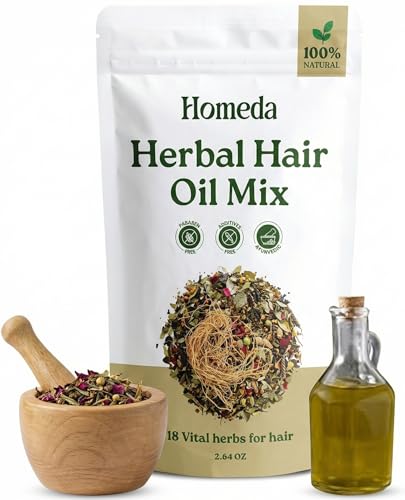
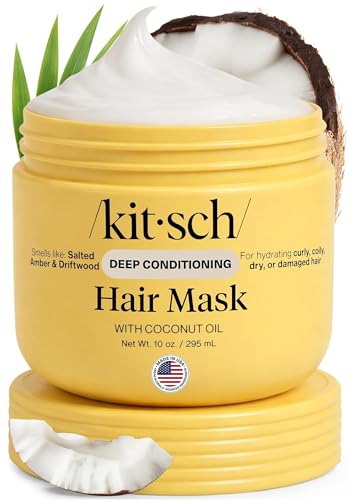
What is a DIY Hair Mask?
A DIY hair mask is a nourishing treatment made from natural, kitchen-friendly ingredients designed to address specific hair concerns. Whether you're dealing with damaged hair, seeking extra moisture for curly hair care, or wanting to boost volume and shine, a homemade hair mask can be tailored to your unique needs. Unlike store-bought products that often contain synthetic additives, DIY hair masks let you control exactly what goes onto your hair and scalp.
Creating your own hair mask at home is not only cost-effective but also environmentally friendly. By using ingredients like avocado, honey, coconut oil, and aloe vera, you can create powerful treatments that rival high-end salon products. The best part? Most of these ingredients are already in your kitchen.
Benefits of Homemade Hair Masks
Using natural ingredients for hair care offers numerous advantages for both your hair and overall health. Here are the key benefits of incorporating homemade hair masks into your routine:
- Deep Conditioning: Natural oils and butters penetrate the hair shaft to moisturize from within, unlike surface-level conditioners.
- Damage Repair: Ingredients like eggs and avocado contain proteins and vitamins that help repair damaged hair repair and split ends.
- Cost-Effective: Using simple kitchen ingredients saves money compared to expensive salon treatments.
- No Harsh Chemicals: You avoid sulfates, parabens, and artificial fragrances that can irritate the scalp and cause buildup.
- Customizable: Tailor your mask to address specific concerns like dandruff, dryness, or slow growth.
- Eco-Friendly: Reduce packaging waste by using ingredients in reusable containers.
Essential Ingredients for DIY Hair Masks
The effectiveness of a natural hair mask depends on the quality and combination of ingredients. Here are some of the most powerful natural ingredients for hair health:
Coconut Oil
Coconut oil is a superstar in hair care. It penetrates the hair shaft to reduce protein loss and prevent damage. Rich in lauric acid, it nourishes the scalp and promotes hair health diet from the outside in. For best results, use virgin, unrefined coconut oil.
Avocado
Avocado is packed with healthy fats, vitamins A, D, and E, and biotin—all essential for strong, shiny hair. Its creamy texture makes it an excellent base for DIY deep conditioning masks that restore moisture to dry, brittle strands.
Honey
Honey is a natural humectant, meaning it draws moisture from the air into your hair. It also contains enzymes that help clarify the hair and promote shine. Use raw honey for the most benefits.
Aloe Vera
Aloe vera soothes the scalp, reduces dandruff, and promotes hair growth. It's rich in vitamins and minerals that strengthen hair follicles and support a healthy scalp environment. Consider adding aloe vera to your DIY recipes for an extra hydration boost.
Eggs
Eggs are a fantastic source of protein, which is essential for hair strength. They also contain biotin and vitamin B12, which can help improve hair texture and promote growth.
Olive Oil
Olive oil is rich in antioxidants and healthy fats that condition and protect hair. It helps tame frizz and add shine, making it a great addition to many natural hair mask recipes.
Yogurt
Yogurt contains lactic acid and probiotics that help cleanse the scalp and add shine. It's particularly beneficial for oily hair as it helps balance sebum production.
Best DIY Hair Mask Recipes
Below are some of the most effective homemade hair mask recipes for various hair types and concerns. Choose the one that best addresses your needs:
1. Deep Conditioning Mask for Dry & Damaged Hair
Ingredients: 1 ripe avocado, 2 tablespoons honey, 2 tablespoons olive oil.
Instructions: Mash the avocado in a bowl until smooth. Add honey and olive oil, mixing until well combined. Apply to damp, clean hair from roots to ends. Leave on for 30–45 minutes, then rinse thoroughly with warm water and follow with your regular conditioner.
Benefits: This deep conditioning treatment repairs damage, adds moisture, and restores shine. Ideal for dry, brittle, or damaged hair repair.
2. Protein-Rich Mask for Hair Growth
Ingredients: 1 egg, 2 tablespoons coconut oil, 1 teaspoon honey.
Instructions: Whisk the egg in a bowl until frothy. Add coconut oil and honey, blending until smooth. Apply to your scalp and hair, focusing on the roots. Cover with a shower cap and leave for 20–30 minutes. Rinse with cool water (to prevent the egg from cooking) and wash with a gentle shampoo.
Benefits: Eggs provide essential protein for hair strength, while coconut oil moisturizes and stimulates beard growth tips (and hair growth). Great for promoting healthy growth and preventing breakage.
3. Hydrating Mask for Curly & Coarse Hair
Ingredients: 1/2 cup plain yogurt, 2 tablespoons aloe vera gel, 1 tablespoon coconut oil.
Instructions: Mix all ingredients in a bowl until creamy. Apply generously to dry, tangled hair, ensuring every strand is coated. Leave for 30 minutes, then rinse and style as usual.
Benefits: Perfect for curly hair care and coarse textures, this mask provides intense hydration and helps define curls without weighing them down.
4. Clarifying Mask for Oily Hair & Scalp
Ingredients: 2 tablespoons lemon juice, 2 tablespoons honey, 2 tablespoons aloe vera gel.
Instructions: Combine ingredients and apply to your scalp and roots. Massage gently for 5 minutes, then leave on for 15–20 minutes. Rinse thoroughly with lukewarm water.
Benefits: Lemon juice acts as a natural astringent to remove excess oil and buildup, while honey and aloe soothe and nourish. Use weekly to balance oily scalps.
5. Strengthening Mask for Chemically Treated Hair
Ingredients: 1 ripe banana, 2 tablespoons coconut oil, 1 tablespoon honey.
Instructions: Blend banana until smooth (no lumps). Mix with coconut oil and honey. Apply to damp hair, focusing on ends. Cover with a shower cap and leave for 30 minutes. Rinse well and use your regular conditioner.
Benefits: This mask is excellent for color treated hair and chemically processed hair. Banana provides potassium and vitamins that strengthen the hair shaft and reduce breakage.
How to Choose the Right DIY Hair Mask
Selecting the best hair mask for your hair type is crucial for achieving optimal results. Here's a quick guide:
- Dry & Damaged Hair: Opt for masks with avocado, coconut oil, and honey for deep moisture and repair.
- Fine or Thin Hair: Choose lighter ingredients like yogurt, aloe vera, and egg whites to avoid weighing hair down.
- Oily Hair: Use clarifying masks with lemon juice, tea tree oil, or apple cider vinegar to balance sebum.
- Curly or Coarse Hair: Look for rich, creamy masks with shea butter, coconut oil, and banana for intense hydration.
- Color-Treated Hair: Use nourishing masks with olive oil, honey, and avocado to protect color and prevent fading.
- Damaged or Brittle Hair: Protein-rich masks with eggs, yogurt, and hair oil treatments can help strengthen and rebuild the hair shaft.
Step-by-Step Guide to Applying a DIY Hair Mask
To maximize the benefits of your homemade hair treatment, follow these steps:
- Start with clean, damp hair: Hair that is slightly wet absorbs nutrients better than dry hair.
- Detangle: Brush or comb your hair to remove knots and ensure even application.
- Apply generously: Section your hair and apply the mask from roots to ends, using a wide-tooth comb to distribute evenly.
- Massage the scalp: Gently massage the mask into your scalp to stimulate circulation and promote nutrient absorption.
- Cover with a shower cap: This traps heat and allows the mask to penetrate deeply.
- Wait 20–45 minutes: Depending on the mask, leave it on for the recommended time. Avoid leaving it on too long, as some ingredients may dry out.
- Rinse thoroughly: Use lukewarm water to rinse, then follow with your regular conditioner if needed.
- Style as usual: After rinsing, you can style your hair as normal. You'll likely notice immediate softness and shine.
Tips for Best Results
To get the most out of your natural hair mask recipes, keep these tips in mind:
- Use fresh ingredients: Fresh, organic ingredients yield the best results.
- Stick to a routine: Use a mask weekly or bi-weekly for consistent results. Over-masking can cause buildup.
- Combine with a healthy diet: Your hair's health starts from within. Consider hair health diet tips for holistic care.
- Protect your hair: Use a satin pillowcase and avoid heat styling to maintain results.
- Patch test: If you have sensitive skin, test the mask on a small area first to avoid irritation.
- Store properly: If you have leftover mask, store it in an airtight container in the refrigerator for up to 3 days.
Frequently Asked Questions
How often should I use a DIY hair mask?
For most hair types, using a homemade hair mask once a week is sufficient. If your hair is severely damaged, you can use it twice a week until you see improvement, then scale back to maintain results.
Can I leave a DIY hair mask on overnight?
It's generally not recommended to leave hair masks on overnight, especially those containing eggs or acidic ingredients. Extended exposure can cause protein overload or scalp irritation. Stick to 20–45 minutes for best results.
Which DIY hair mask is best for dry, damaged hair?
The avocado and honey mask is excellent for damaged hair repair. Avocado provides intense moisture, while honey helps lock it in. Olive oil adds extra nourishment for brittle strands.
Can I use these masks on color-treated hair?
Yes! The strengthening mask with banana, coconut oil, and honey is specifically formulated to be gentle on color treated hair. Avoid using lemon juice masks on colored hair, as they can fade color.
Are DIY hair masks better than store-bought ones?
DIY masks allow you to control the ingredients and avoid harmful chemicals. However, some high-quality store-bought masks contain advanced active ingredients. The best choice depends on your specific hair needs and preferences.
How can I make my hair mask more effective?
Warming the oil-based ingredients slightly before application can help them penetrate better. Also, using a shower cap or towel turban creates heat that enhances absorption.
Conclusion
Creating your own DIY hair masks is a fun, cost-effective, and rewarding way to achieve healthy, beautiful hair. Whether you're looking for deep moisture, protein repair, or scalp balance, there's a recipe that suits your needs. By using natural ingredients from your kitchen, you can avoid the harsh chemicals often found in commercial products and customize your treatment for your unique hair type.
Remember, consistency is key. Incorporate your chosen natural hair mask into your weekly routine and combine it with a balanced diet and proper hair care practices. Your hair will thank you with increased shine, strength, and vitality. For more tips on maintaining healthy hair, check out our comprehensive haircare guide and explore other natural beauty solutions like diy face mask for complete self-care.