Makeup Sponge Guide: Types, Uses & Buying Tips
Discover how to choose, use, and care for your makeup sponge. From the classic beauty blender to latex-free alternatives, find the perfect applicator for a flawless finish.
Shop Recommended SpongesA makeup sponge is one of the most versatile tools in your beauty kit. Whether you're applying foundation, concealer, or even blush, the right sponge can make all the difference. This guide covers everything from sponge shapes and materials to cleaning tips and expert application techniques.
What Is a Makeup Sponge?
A makeup sponge is a soft, porous tool used to apply and blend liquid or cream cosmetics. Unlike traditional brushes, sponges create an airbrushed, streak-free finish by gently pressing product into the skin. They are available in various shapes, sizes, and materials to suit different needs.
Most modern makeup sponges are latex-free and designed to expand when damp, which prevents them from absorbing too much product. This makes them ideal for achieving a natural, dewy look.
Types of Makeup Sponges
Not all sponges are created equal. Here are the most common types you'll encounter:
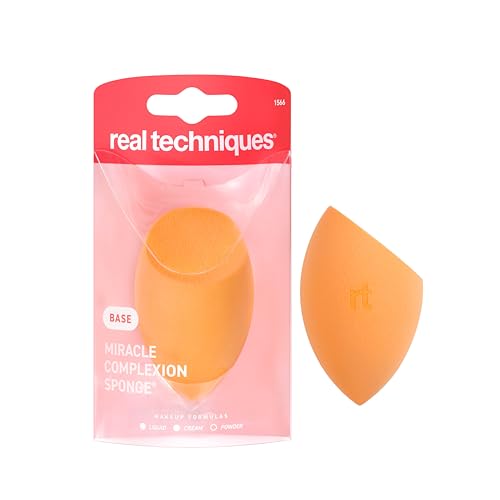
Classic Teardrop
The iconic shape with a rounded bottom for large areas and a pointed tip for precision around the eyes and nose.
Flat / Sculpted
Features angled edges and flat surfaces, ideal for contouring and reaching tight corners.
Mini Sponges
Smaller versions perfect for concealer, highlighter, or touch-ups on the go.
Silicone Sponges
Non-porous and easy to clean, but better for thin, runny formulas rather than thick creams.
When choosing a sponge, consider your foundation formula, skin type, and the areas you'll be covering. A larger sponge works well for full-face application, while a mini sponge is perfect for concealing blemishes.
How to Use a Makeup Sponge Correctly
Using a sponge the right way transforms your makeup game. Follow these steps for a flawless finish:
- Dampen the sponge: Run it under water, squeeze out excess, and pat with a towel until just damp.
- Apply product: Dot foundation, concealer, or cream blush onto your face — don't put it directly on the sponge.
- Bounce, don't drag: Use a bouncing or stippling motion to blend the product into the skin. This prevents streaks and ensures even coverage.
- Build coverage: Start with a thin layer and build up in areas where you need more coverage.
- Use the tip for precision: The pointed end is great for the under-eye area, around the nose, and for spot concealing.
For a seamless look, pair your sponge with a face primer and finish with a setting spray.
How to Clean a Makeup Sponge
Regular cleaning is essential for both hygiene and longevity. Here's the best way to do it:
- Daily: After each use, rinse with warm water and mild soap or a dedicated brush cleanser. Squeeze gently until the water runs clear.
- Weekly Deep Clean: Soak your sponge in a mixture of warm water and a gentle liquid soap for a few minutes, then massage it to release trapped makeup.
- Drying: Never wring or twist your sponge. Instead, press it with a towel and let it air-dry on a clean surface.
Cleaning your sponge regularly not only protects your skin but also helps your foundation apply more evenly. For more detailed care, check out our guide on brush cleaner and makeup organizer tips.
Which Makeup Sponge Is Right for You?
Choosing the best sponge depends on your skin type, the products you use, and your personal preference:
- Oily skin: Opt for a non-porous or silicone sponge to avoid absorbing too much product and to maintain a matte finish.
- Dry skin: A soft, damp sponge will help hydrate and blend cream products without clinging to dry patches.
- For full coverage: Use a dense, rounded sponge that can pack on product for a more opaque finish.
- For natural looks: A lightweight, flexible sponge gives a sheer, skin-like finish.
You might also want to explore other beauty tools like makeup brushes for different textures, or try beauty blender alternatives to find your favorite.
Frequently Asked Questions
Can I use a makeup sponge with powder products?
Yes! While sponges are best for liquids and creams, you can use a dry sponge to apply loose powder or setting powder. It gives a soft-focus effect.
How often should I replace my makeup sponge?
Ideally every 3 months. If you notice tears, discoloration, or a persistent odor, it's time for a new one.
Are expensive sponges worth it?
Not necessarily. Many affordable sponges work just as well as high-end ones. The key is the right shape, density, and material for your needs.
For more on makeup application, explore our makeup category or read about concealer and setting powder techniques.
BeautyTipsGuide Expert Advice: The best makeup sponge is one that fits your routine. Don't be afraid to experiment with different shapes and sizes. And always remember — a clean sponge means a flawless face!