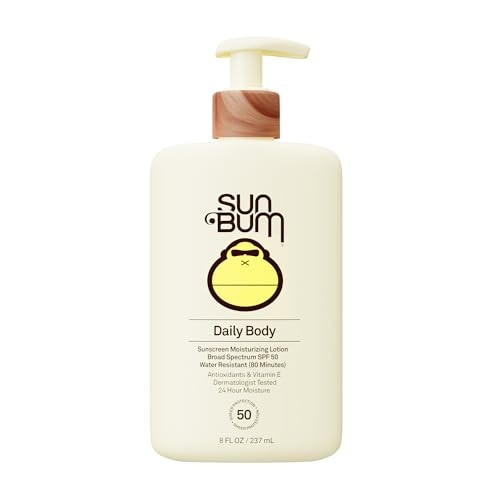
Your Complete Guide to Body Sunscreen
Protect your skin from harmful UV rays with the right SPF. Learn about types, application, and how to choose the best body sunscreen for your lifestyle.
Shop Top-Rated SunscreensBody sunscreen is your first line of defense against premature aging, sunburn, and skin cancer. Yet, with countless options on the market, choosing the right one can feel overwhelming. This guide breaks down everything you need to know—from SPF levels and ingredient types to application techniques—so you can protect your skin with confidence.
Understanding Body Sunscreen: SPF, Types & More
SPF Decoded
SPF (Sun Protection Factor) measures protection against UVB rays. Dermatologists recommend SPF 30 for daily use, which blocks ~97% of UVB rays. For extended outdoor activities, choose SPF 50 or higher. Remember: SPF only applies to UVB; look for "broad-spectrum" to also protect against UVA rays.
Mineral vs. Chemical
- Mineral (Physical): Contains zinc oxide or titanium dioxide. Sits on skin and reflects UV rays. Ideal for sensitive skin, but may leave a white cast.
- Chemical: Absorbs UV rays and converts them to heat. Usually lighter and easier to rub in. Common ingredients: oxybenzone, avobenzone, octisalate.
How to Apply Body Sunscreen Correctly
Pro Tip: Apply sunscreen 15–30 minutes before sun exposure. Use about one ounce (a shot glass full) to cover your entire body. Don't forget often-missed spots: ears, back of neck, tops of feet, and hands.
Daily Routine
- Apply as the last step of your body care routine.
- Reapply every 2 hours (or after swimming/sweating).
- Use a water-resistant formula if you're active.
Common Mistakes
- Using too little product (most people apply only 25–50% of the needed amount).
- Forgetting to reapply.
- Relying solely on makeup or moisturizer with SPF for full-body coverage.
How to Choose the Best Body Sunscreen for Your Skin
For Sensitive Skin
Choose mineral sunscreens with zinc oxide or titanium dioxide. Avoid fragrances, oxybenzone, and PABA. Look for soothing ingredients like aloe vera or green tea.
For Oily/ Acne-Prone Skin
Opt for lightweight, non-comedogenic (won't clog pores) formulas. Gel-based or oil-free chemical sunscreens are often a great fit.
For Dry Skin
Look for sunscreens with hydrating ingredients like hyaluronic acid, ceramides, or glycerin. Body creams with SPF are a good 2-in-1 solution.
For Active Lifestyles
Choose water-resistant formulas (effective for 40–80 minutes). After-sun care is just as important to soothe and repair skin after exposure.
Frequently Asked Questions About Body Sunscreen
What SPF should I use for body sunscreen?
Dermatologists recommend at least SPF 30 for everyday wear. For extended outdoor activities, use SPF 50 or higher.
Is mineral or chemical sunscreen better?
Both are effective when used correctly. Mineral sunscreens are often preferred for sensitive skin, while chemical sunscreens are lighter and easier to spread. Choose what suits your skin type and lifestyle.
How much body sunscreen should I apply?
Use one ounce (about a shot glass full) for your entire body. Reapply every 2 hours, or immediately after swimming or heavy sweating.
Can I use face sunscreen on my body?
Yes, but face sunscreens tend to be more expensive and come in smaller bottles. For body, it's more economical to use a product specifically formulated for larger areas.
Related Guides: Sunscreen Guide · After Sun Care · Body Care Routine · Natural Beauty