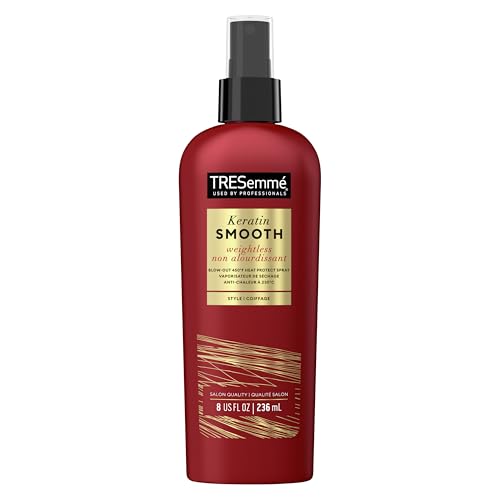
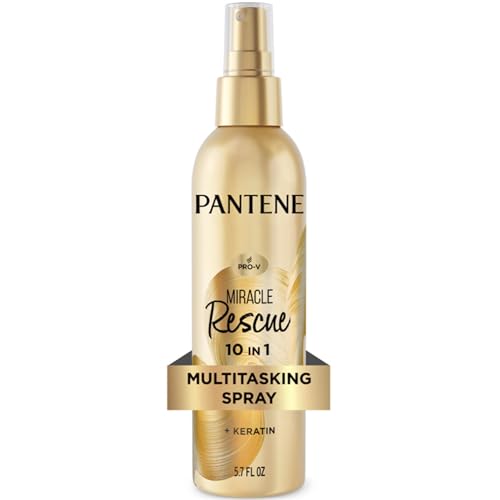
Heat Protectant Guide: Essential Tips for Healthy Hair
Discover how to shield your hair from heat damage. Learn about the best heat protectants, how to use them, and find the perfect product for your hair type.
Why You Need a Heat Protectant
Every time you reach for your hair dryer, hair straightener, or curling iron, you're exposing your hair to intense heat. This can strip away moisture, weaken the hair shaft, and lead to breakage, split ends, and frizz. A heat protectant acts as a barrier, coating each strand to minimize damage.
Heat protectants are formulated with ingredients that create a protective layer around the hair. This layer helps to distribute heat more evenly, preventing hot spots that can cause irreversible damage. Using a heat protectant is not just a recommendation; it's an essential step in any heat styling routine to maintain long-term hair health.
How to Choose the Best Heat Protectant for Your Hair
Selecting the right heat protectant depends on your hair type and styling needs. Here's a quick guide to help you choose:
Fine or Thin Hair
Look for lightweight sprays or mists that won't weigh your hair down. Avoid heavy oils or creams.
Thick or Coarse Hair
Opt for creams, serums, or oils that provide extra moisture and control, helping to tame frizz.
Curly or Textured Hair
Choose products that offer intense hydration and protection, often with natural oils like argan or coconut oil.
Color-Treated Hair
Select a heat protectant specifically formulated to protect color-treated hair and prevent fading.
For those with curly hair, a moisturizing heat protectant is crucial to prevent dryness and maintain curl definition.
How to Properly Use a Heat Protectant
Using a heat protectant correctly is just as important as choosing the right one. Follow these steps for maximum protection:
- Start with clean, towel-dried hair. Apply the product evenly from roots to ends. For best results, use a wide-tooth comb to distribute it thoroughly.
- Don't over-apply. A little goes a long way. Over-saturating your hair can lead to a greasy or sticky finish.
- Allow the product to dry. Most heat protectants need to be dry before styling. You can blow-dry your hair on a low heat setting to help it set.
- Style as usual. Once your hair is dry and protected, you can use your hot tools with confidence.
Remember, always use a heat protectant regardless of the tool you're using. Even a high-quality ionic hair dryer can benefit from the extra protection.
Types of Heat Protectants
Heat protectants come in various forms, each with its own benefits:
- Sprays: Lightweight and easy to apply. Ideal for fine hair and all-over protection.
- Serums: Concentrated formulas great for adding shine and controlling frizz, especially for thicker hair.
- Oils: Provide intense hydration and protection. Suitable for coarse, curly, or very dry hair.
- Foams/Mousses: Add volume while protecting. Great for creating a full, bouncy style.
- Creams: Offer a balance of moisture and hold, perfect for achieving sleek styles.
Integrating a quality heat protectant into your routine can complement your overall haircare regimen and keep your locks looking their best.
Key Benefits of Using a Heat Protectant
Prevents Damage: Heat protectants significantly reduce the risk of split ends, breakage, and moisture loss caused by high heat.
Enhances Shine: By creating a smooth surface on the hair cuticle, these products help reflect light, giving your hair a healthy, glossy appearance.
Improves Manageability: Protected hair is smoother and easier to style, reducing tangles and making it more receptive to heat styling.
Extends Style Longevity: Some heat protectants also act as a setting agent, helping your blowout or curls last longer.
Frequently Asked Questions About Heat Protectants
Can I use a heat protectant on dry hair?
Yes, many heat protectants are designed for use on dry hair, often in the form of sprays or oils. They can be used as a finishing touch to add shine and protection before touch-ups.
Do I need a heat protectant if I air-dry my hair?
If you air-dry your hair, you may not need a heat protectant. However, if you plan to use any hot tools later, even for a quick touch-up, applying a protectant is highly recommended.
What temperature should my heat tool be?
The ideal temperature depends on your hair type. Fine hair should be styled at a lower temperature (250-300°F), while thick or coarse hair can handle higher heat (350-400°F). Always use a heat protectant to allow for higher heat styling with less damage.
Final Thoughts
Incorporating a heat protectant into your hair care routine is a simple but powerful way to keep your hair healthy and vibrant. Whether you're a daily heat styler or just occasionally use hot tools, protection is key. Take the time to find a product that suits your hair type and needs, and enjoy the peace of mind that comes with knowing your hair is shielded from damage.
Remember, a comprehensive routine including regular hair masks and hair oils can further enhance the health and beauty of your hair.