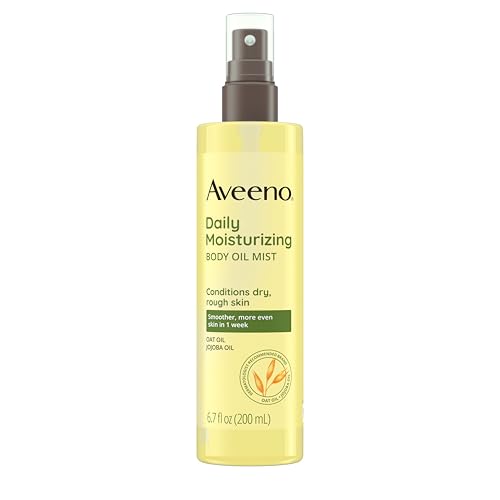
The Complete Guide to Body Oil
Unlock the secret to deeply hydrated, glowing skin. Learn everything about body oils, their benefits, and how to choose the perfect one for your skin type.
Body oil is more than just a moisturizer—it's a luxurious, nourishing treatment that can transform your skincare routine. Whether you have dry, sensitive, or normal skin, the right body oil can lock in hydration, improve skin elasticity, and leave your skin feeling incredibly soft and smooth.
Unlike traditional body lotions that are water-based, body oils are lipid-based, which means they mimic your skin's natural sebum and form a protective barrier that prevents moisture loss. This guide will walk you through everything you need to know, from the different types of oils to the best application techniques, so you can make an informed decision and achieve radiant, healthy-looking skin.
What Are the Benefits of Using Body Oil?
Incorporating body oil into your daily routine offers a multitude of benefits that go beyond simple hydration:
Intense Hydration
Body oils are excellent emollients that penetrate deep into the skin to provide long-lasting moisture.
Locks in Moisture
They create a protective barrier that seals hydration in, preventing transepidermal water loss.
Rich in Nutrients
Many natural oils are packed with vitamins, antioxidants, and essential fatty acids that nourish the skin.
Improves Skin Elasticity
Regular use can help maintain skin's firmness and elasticity, potentially reducing the appearance of fine lines.
Pro Tip: For the best results, apply body oil right after a shower or bath while your skin is still slightly damp. This helps trap the moisture from the water, giving you an extra hydration boost.
How to Choose the Right Body Oil for Your Skin
Not all body oils are created equal. The best choice for you depends on your skin type and personal preferences.
- Dry Skin: Look for heavier, more occlusive oils like body butter or pure coconut oil, avocado oil, or almond oil. These are rich in fatty acids and provide deep, lasting moisture.
- Sensitive Skin: Opt for soothing, non-comedogenic oils like jojoba oil, which closely mimics the skin's natural sebum, or chamomile oil. Avoid heavily scented products.
- Oily or Acne-Prone Skin: Choose lightweight, fast-absorbing oils like grapeseed oil or hemp seed oil. Contrary to popular belief, certain oils can help balance sebum production.
- Mature Skin: Look for oils rich in antioxidants and vitamins, such as rosehip oil or pomegranate seed oil, to help combat signs of aging.
If you're looking for a versatile product, consider a blend of oils. For example, many people love to combine a few drops of face oil with their body moisturizer for an extra hydrating boost.
How to Apply Body Oil for Maximum Benefits
Applying body oil correctly is just as important as choosing the right one. Follow these expert steps for the best results:
- Apply on Damp Skin: The best time to apply body oil is immediately after a warm bath or shower, while your skin is still damp. This helps to lock in moisture.
- Warm the Oil: Pour a small amount of oil into your palms and rub them together to warm it up. This makes it easier to spread and helps the oil absorb better.
- Massage Gently: Massage the oil onto your skin in gentle, upward circular motions. Pay extra attention to dry areas like elbows, knees, and feet.
- Let It Absorb: Wait a few minutes for the oil to absorb before getting dressed. This prevents the oil from transferring to your clothes.
- Mix with Lotion: For an extra boost of hydration, you can mix a few drops of body oil with your regular body lotion or body cream before application.
Popular Types of Body Oil
Here are some of the most popular and effective body oils available, each offering unique benefits:
- Argan Oil: Often called "liquid gold," it's rich in vitamin E and essential fatty acids, making it excellent for hydrating and nourishing the skin.
- Jojoba Oil: Technically a liquid wax, it's very similar to human sebum and is great for all skin types, including oily and acne-prone skin.
- Sweet Almond Oil: A classic choice, it's lightweight, non-greasy, and packed with vitamins A, B, and E, making it perfect for sensitive and dry skin.
- Coconut Oil: Known for its deep moisturizing properties, it's solid at room temperature but melts on contact with the skin. Best for very dry skin.
- Rosehip Oil: A powerhouse of vitamins A and C, it's known for its anti-aging properties and ability to help reduce the appearance of scars and stretch marks.
- Avocado Oil: Rich and nourishing, it's packed with vitamins A, D, and E, making it ideal for very dry, mature, or damaged skin.
Many of these oils can be found in a pure form or as key ingredients in products like body serums and body polish treatments.
Safety Tips and Precautions
While body oils are generally safe for most people, here are a few tips to keep in mind:
- Patch Test: Before using a new oil, always do a patch test on a small area of skin to check for any allergic reactions.
- Sun Sensitivity: Some oils, like citrus oils (e.g., bergamot, lemon), can cause photosensitivity. Avoid applying them before sun exposure.
- Choosing Quality: Opt for cold-pressed, unrefined oils whenever possible, as they retain the most nutrients and are free from harmful chemicals.
- Storage: Store your oils in a cool, dark place to prevent them from going rancid.
For a comprehensive guide on selecting pure and effective products, check out our clean beauty guide and non-toxic skincare resources.
Final Thoughts: Is Body Oil Right for You?
Body oil is a versatile and powerful addition to any skincare routine. Whether you're battling dry winter skin, looking to add a healthy glow, or simply want to pamper yourself, there's a body oil out there for you. By understanding your skin type and needs, you can select an oil that will help you achieve and maintain beautifully healthy, hydrated skin.
Ready to find your perfect match? Explore our recommended products below, each carefully selected to cater to a variety of skin types and needs.