Hair Brush Guide: Find the Right Brush for Your Hair Type
Discover how the right hair brush can transform your daily routine — from smoother detangling and reduced breakage to better blow-dry results. This complete guide breaks down brush types, bristle materials, and practical selection tips so you can choose with confidence.
Explore Brush TypesWhy the right hair brush matters: A hair brush is one of the most-used tools in any haircare routine, yet it is often overlooked. The wrong brush can cause split ends, frizz, and unnecessary shedding, while the right one improves shine, distributes natural oils, and makes styling faster. This guide is designed for shoppers who already know they want to upgrade their brush but need clear, trustworthy information before deciding which model to buy.
Why Your Hair Brush Choice Matters
Brushing is something most people do every day, often without thinking about the tool in their hand. However, the design of a brush — its bristle material, spacing, and shape — directly affects how much tension is applied to the hair shaft. Over time, an unsuitable brush can contribute to mechanical damage, especially on wet hair when strands are most fragile.
A well-matched brush supports a healthier haircare routine by gently separating tangles, spreading conditioner or hair serum evenly, and helping natural oils travel from the scalp to the ends. It also plays a supporting role in styling: the right brush works together with tools like a hair dryer, straightener, or curling wand to create smooth, predictable results.
For readers building a complete routine, this guide pairs well with broader resources such as our haircare section and the hair styling kit overview. If you are also refreshing your accessories, browse hair accessories for complementary tools.
Hair Brush Types Explained
The market offers several core brush categories. Each is designed for a specific task, hair texture, or styling goal. Rather than buying one "all-purpose" brush, many people benefit from owning two or three targeted tools. The cards below describe the most common options and how they compare in quality tiers.
Paddle Brush
Broad, flat base with widely spaced bristles. Ideal for detangling long hair quickly and for smoothing during blow-drying. Works well on medium to thick textures.
Mid-range to premiumRound Brush
Cylindrical barrel for adding volume, creating bends, and shaping ends. Commonly paired with a hair dryer. Barrel size determines the amount of curl and lift.
Entry-level to premiumBoar Bristle Brush
Natural bristles distribute scalp oils and add shine. Excellent for fine to medium hair and for finishing touches. Avoid on very wet hair or thick tangles.
Mid-tier to luxuryVented Brush
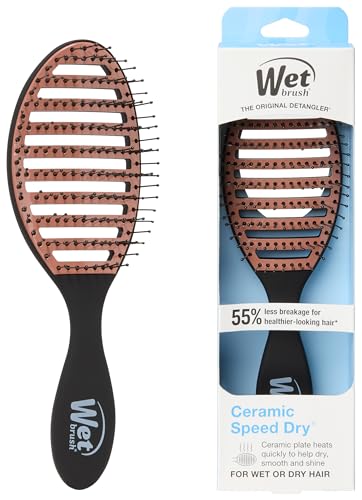
Open-back design allows airflow during blow-drying, speeding up drying time and reducing heat exposure. A practical choice for frequent stylers.
Budget-friendly to mid-rangeDetangling Brush
Flexible bristles with wide spacing that gently work through knots, often usable on wet hair. Particularly helpful for curly, coily, or fine hair prone to breakage.
Affordable to mid-pricedWet Brush
Designed specifically for wet hair with flexible, often ball-tipped bristles. Reduces pulling and is a convenient choice for post-shower detangling.
Entry-level to mid-rangeIf your primary concern is managing tangles on delicate hair, a dedicated detangling or hair brush option with flexible bristles is usually the safest starting point. For styling-oriented readers, a round brush in the correct barrel size is essential.
Bristle Materials: Natural vs. Synthetic
The bristle is the most important part of any brush. It determines how gently the tool interacts with the hair shaft and scalp. There are three main families to understand:
Boar Bristle (Natural)
Boar bristles closely resemble human hair in structure, which is why they are excellent at distributing sebum and smoothing the cuticle. They produce a natural shine and help reduce frizz. The trade-off is that natural bristles can be firmer and are not always ideal for very thick or highly tangled hair. High-end and luxury brushes often use a mix of boar and synthetic bristles to combine smoothness with detangling ability.
Nylon and Synthetic Bristles
Synthetic bristles are durable, easy to clean, and available in many firmness levels. Ball-tipped nylon bristles are gentle on the scalp and common in detangling brushes. Firmer synthetic bristles are used in round brushes for grip during blow-drying. These brushes span the full quality spectrum from budget-friendly to premium.
Mixed Bristle
A combination of natural and synthetic bristles attempts to offer the best of both worlds: the smoothing effect of boar with the durability and detangling power of nylon. Mid-range to high-end brushes frequently use this construction, making it a versatile option for readers who want one brush to cover multiple tasks.
Whichever material you choose, keep the brush clean and replace it when bristles become bent or worn — a detail often overlooked in general wellness and self-care routines. For readers interested in scalp health, pairing a quality brush with a hair health diet and consistent hair density serum can further support overall hair condition.
Hair Brush Comparison at a Glance
Use this table to compare the main brush categories by best use, ideal hair type, and relative quality tier. It is intended as a quick reference before you read the detailed selection guide below.
| Brush Type | Best For | Ideal Hair Type | Quality Tier |
|---|---|---|---|
| Paddle Brush | Fast detangling, blow-dry smoothing | Medium to thick, long hair | Mid-range to premium |
| Round Brush | Volume, bends, blow-dry styling | All types; barrel size varies | Entry-level to premium |
| Boar Bristle | Shine, oil distribution, finishing | Fine to medium, straight or wavy | Mid-tier to luxury |
| Vented Brush | Faster drying, airflow | All types, frequent stylers | Budget-friendly to mid-range |
| Detangling Brush | Gentle knot removal, wet hair | Curly, coily, fine, delicate | Affordable to mid-priced |
| Wet Brush | Post-shower detangling | All types, especially fine | Entry-level to mid-range |
How to Choose the Right Hair Brush
Choosing a brush is less about brand names and more about matching the tool to your hair's density, texture, and styling habits. Follow these steps to narrow your options logically.
- Identify your hair type. Fine hair generally benefits from softer bristles and lightweight brushes, while thick or coarse hair needs firmer bristles and wider spacing to work through strands efficiently. Curly and coily hair often prefers flexible detangling bristles used on damp hair.
- Decide on your main goal. If detangling is the priority, choose a detangling or wet brush. If styling and volume matter most, a round brush is the better investment. For shine and finishing, a boar bristle or mixed bristle brush is ideal.
- Consider your styling tools. If you regularly use a hair dryer, a round or vented brush will complement it. If you use a straightener or curling wand, a paddle or boar brush helps prepare smooth sections beforehand.
- Check the handle and weight. A comfortable, non-slip handle and a balanced weight reduce hand fatigue during longer styling sessions, especially for readers with thick hair.
- Match quality tier to usage. Occasional users may be well served by an entry-level or affordable brush, while daily stylers often benefit from the smoother bristles and durable construction of mid-range to premium options.
For a full grooming setup, readers may also explore beauty tools in general and the hair styling kit guide. If you are shopping for someone else, our getting started page offers a beginner-friendly overview of essential haircare items.
Brush Care and Maintenance Tips
A quality brush lasts longer and performs better when maintained properly. These habits are simple but often overlooked:
- Remove loose hair from the bristles after each use to prevent buildup and keep the brush hygienic.
- Wash the brush every one to two weeks with mild shampoo and warm water, then air-dry bristle-side down.
- Avoid soaking wooden-handled brushes for long periods, as moisture can damage the finish.
- Replace brushes when bristles become bent, splayed, or the ball tips wear away, since worn bristles can snag hair.
- Store brushes in a clean, dry place; a beauty storage organizer or a makeup bag dedicated to tools keeps them tidy during travel.
Maintaining your brush is part of a broader self-care routine and pairs naturally with scalp-friendly habits such as gentle massage and consistent cleansing.
Common Hair Brushing Mistakes to Avoid
Even with a good brush, technique matters. These are the most frequent errors that contribute to breakage and frizz:
- Brushing wet hair with the wrong tool. Wet strands are fragile; use a wet brush or detangling brush rather than a stiff bristle brush.
- Starting at the roots. Begin at the ends and work upward to prevent tugging and knot tightening.
- Brushing too aggressively. Slow, gentle strokes are more effective and cause less mechanical damage.
- Using a dirty brush. Product residue and oils can transfer back onto clean hair, reducing shine.
- Ignoring scalp health. A clean brush and gentle technique support the scalp, which is the foundation of healthy hair growth.
For readers focused on strengthening hair from within, pairing good brushing habits with a hair loss treatment plan or a hair serum may be worthwhile as part of a comprehensive approach.
Ready to Upgrade Your Haircare Routine?
Now that you understand brush types, bristle materials, and selection criteria, you are in a better position to choose a brush that suits your hair. Explore our recommended products below and compare options at your own pace.
View Recommended Hair BrushesFrequently Asked Questions About Hair Brushes
What is the best hair brush for detangling?
Detangling brushes and wet brushes with flexible, widely spaced bristles are generally the most effective for removing knots gently. These are particularly suitable for curly, coily, and fine hair, and they can often be used on damp hair.
Are boar bristle brushes worth it?
For fine to medium hair and for finishing touches, boar bristle brushes are excellent at distributing natural oils and adding shine. They are less suited to very thick or highly tangled hair, so they are often best used alongside a detangling brush.
How often should I replace my hair brush?
Replace a brush when bristles are bent, splayed, or the ball tips are worn away. For daily users, this is often every six to twelve months, depending on brush quality and maintenance habits.
Can the wrong brush cause hair damage?
Yes. Stiff or worn bristles, aggressive brushing, and using the wrong brush on wet hair can all contribute to mechanical damage, split ends, and frizz. Choosing a brush suited to your hair type and using gentle technique greatly reduces this risk.
Do I need more than one hair brush?
Many people benefit from owning at least two brushes: a detangling or paddle brush for everyday use and a round brush or boar bristle brush for styling and finishing. This combination covers most routine needs efficiently.
Final Thoughts
A hair brush is a small investment that pays off in daily comfort and long-term hair condition. By understanding the differences between paddle, round, boar bristle, vented, and detangling brushes, you can select a tool that genuinely supports your hair type and styling habits. Pair your choice with gentle technique and regular cleaning, and you will notice smoother detangling, improved shine, and less breakage over time.
For related reading, explore our haircare guides, the haircare routine guide, and our picks for hair serum and hair density serum. Readers interested in a complete styling setup can also review the hair styling kit overview.