The Complete Eyeliner Guide: Types, Techniques & Choosing the Right Formula
From precise liquid lines to soft smudged pencils, discover how to choose, apply, and master eyeliner for your eye shape and skill level.
EXPLORE EYELINER TYPESWhy eyeliner matters: A well-chosen eyeliner defines your eyes, adds depth to your gaze, and can transform a simple look into something polished. But with dozens of formulas and tips out there, it helps to understand what actually works for your eyes and routine.
Why Eyeliner Is the Most Versatile Eye Makeup Product
Eyeliner is one of the few makeup products that can go from barely-there definition to full dramatic flair with a single change in technique. A thin line along the upper lash line makes lashes look fuller and eyes appear brighter, while a bold wing or a smoked-out lower lash line creates an entirely different mood. Because it sits so close to the eye, the formula you choose matters just as much as the shape you draw.
If you are just starting with eye makeup, it helps to build a foundation first. Our eye makeup guide covers the basics of prepping the eye area, choosing complementary products, and layering your look. Once you understand how eyeshadow, primer, and liner work together, eyeliner becomes far less intimidating and much more fun to experiment with.
The Main Types of Eyeliner
Every eyeliner falls into one of a few formula families. Each has strengths and trade-offs, and the right choice depends on your eye shape, skin type, and the look you want to achieve.
| Type | Best For | Finish | Skill Level |
|---|---|---|---|
| Pencil | Soft definition, smoky looks, waterline | Matte to satin | Beginner-friendly |
| Gel | Precise lines, wings, long wear | Matte or satin | Beginner to intermediate |
| Liquid | Sharp wings, graphic lines | Matte, satin, or glossy | Intermediate |
| Felt-tip pen | Everyday definition, quick application | Matte | Beginner-friendly |
| Kohl | Smoky eyes, waterline intensity | Matte to creamy | Beginner-friendly |
Pencil Eyeliner
Pencil liners are the most forgiving option and a great starting point if you are learning. They glide on smoothly, blend easily with a brush or fingertip, and work well for soft, diffused looks. A mid-range pencil with a creamy texture tends to offer better color payoff than an entry-level formula, which can feel dry and tug at the delicate eye area. If your eyes are sensitive, look for a pencil specifically designed for delicate skin, such as an eye pencil for sensitive eyes.
Gel Eyeliner
Gel liner comes in a pot and is applied with a small angled brush. It offers the precision of a liquid liner with the blendability of a pencil, making it a favorite among makeup artists. Mid-range and premium gel formulas tend to set quickly and resist smudging, which is ideal for oily lids or long days. If you want a crisp wing but still need some control, gel is often the sweet spot.
Liquid Eyeliner
Liquid liners deliver the sharpest, most graphic lines. They come with a brush or felt tip and dry down to a long-lasting finish. Entry-level liquid liners can be a little tricky to control, while top-tier formulas often feature flexible tips that make drawing a wing easier. Liquid liner is best once you have a steady hand and a clear idea of the shape you want.
Felt-Tip Pen
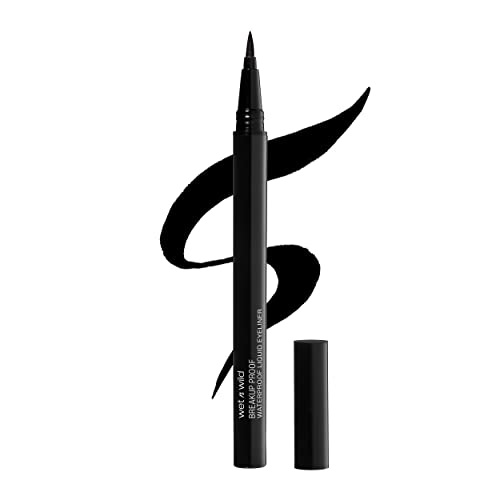
Felt-tip liners combine the convenience of a pen with the precision of a liquid formula. They are ideal for quick everyday definition and are generally more forgiving than traditional liquid brushes. Many people find felt-tip pens the easiest way to draw a consistent line along the upper lash line.
Kohl
Kohl is a traditional, creamier liner designed for intense, smoky looks and waterline application. It is heavily pigmented and blends beautifully, but it can smudge more than gel or liquid formulas. Kohl is excellent for evening looks and for those who prefer a softer, more smudged aesthetic.
How to Choose Eyeliner for Your Eye Shape
The same liner can look completely different depending on your eye shape. Rather than following a single trend, it helps to understand what flatters your natural features.
- Almond eyes: Almond eyes are highly versatile and can carry almost any liner style. A classic wing or a thin line along the upper lash line works beautifully. If you want a dedicated guide, see our tips for eyeliner for almond shape eyes.
- Hooded eyes: Hooded eyes benefit from thin lines that do not transfer onto the hood. Tightlining the upper lash line and keeping the wing small and angled slightly upward helps open the eye. Pairing liner with an eye primer for hooded eyes can prevent smudging throughout the day.
- Oily lids: If your lids tend to get oily, a gel or liquid formula with a long-wear finish is usually more reliable than a pencil. An eye primer for oily eyelids creates a base that helps liner stay put.
- Round eyes: A slight outer wing elongates round eyes and adds balance. Avoid lining the entire lower lash line too heavily, as this can make the eye look smaller.
- Monolid eyes: Tightlining and a soft upper lash line work well for monolids. If you want a wing, keep it thin and extend it slightly outward rather than upward.
Color also plays a role. If you have green eyes, certain shades can make the color pop more than a standard black. Our guide to eyeliner color for green eyes walks through which tones enhance the natural hue. For brown or blue eyes, you can explore eye makeup for brown eyes and eye makeup for blue eyes for more tailored ideas.
Step-by-Step: How to Apply Eyeliner
Application technique matters as much as the product. Follow these steps for a clean, long-lasting line:
- Prep the eye area. Start with clean, dry lids. Apply an eye primer or a light dusting of translucent powder to absorb oil and create a smooth base.
- Choose your tool. For beginners, a pencil or gel liner with an angled brush offers the most control. For sharp wings, a liquid or felt-tip liner is best.
- Start from the outer corner. Draw a small guide line where you want the wing to end, then connect it back to the lash line. This helps you build a symmetrical shape.
- Fill in the lash line. Use short, gentle strokes rather than one continuous line. This gives you more control and a more natural result.
- Build in layers. Thin layers dry faster and are easier to correct than one thick line. Let each layer set before adding more.
- Clean up mistakes. Use a cotton swab dipped in micellar water or concealer to sharpen the edge of your wing.
- Set if needed. A light dusting of translucent powder over the liner can help prevent smudging, especially on oily lids.
If you are also working on your lashes, pairing your liner with a good mascara completes the look. For sensitive eyes, consider a mascara for sensitive eyes that is ophthalmologist-tested and fragrance-free.
Common Eyeliner Mistakes to Avoid
- Skipping primer. Without a base, liner can smudge or fade within hours, especially on oily lids.
- Pulling the eyelid taut. Tugging at the delicate eye area can cause irritation and premature fine lines. Instead, gently hold the brow and look slightly downward.
- Using an expired liner. Old formulas can harbor bacteria and cause eye infections. Check the period-after-opening symbol on the packaging.
- Ignoring your eye shape. A style that works for almond eyes may not flatter hooded or round eyes. Adjust the thickness and wing angle accordingly.
- Not sharpening pencils. A dull pencil drags on the skin and creates an uneven line. Keep your pencil sharpened before each use.
Ready to Build Your Eye Makeup Routine?
Explore our foundational guides on eyeshadow, primers, and application techniques to take your look to the next level.
DISCOVER EYESHADOW GUIDESEyeliner and Eye Care
Eyeliner sits directly next to the eye, so it is worth paying attention to how your skin and eyes react. If you have sensitive eyes, choose formulas labeled ophthalmologist-tested and avoid tightlining if you are prone to irritation. Always remove eye makeup gently with a dedicated eye makeup remover rather than rubbing, and give your eyes a break from heavy liner on days when they feel tired or watery.
If you notice persistent redness, swelling, or irritation, stop using the product and consult a healthcare professional. Our full disclaimer explains the limits of the educational content on this site. For more on clean and gentle formulas, the clean beauty guide and non-toxic skincare resources can help you make informed choices.
Frequently Asked Questions About Eyeliner
What is the best eyeliner for beginners?
Pencil and gel eyeliner are the most forgiving for beginners because they allow you to smudge and blend mistakes. A mid-range gel liner with a fine brush gives you control while you build confidence.
How do I choose the right eyeliner for my eye shape?
Almond eyes suit almost any liner, including winged styles. Hooded eyes benefit from thin lines that do not transfer to the lid. Round eyes look best with a slight outer wing that elongates. Monolid eyes work well with tightlining and a soft upper lash line.
How long does eyeliner last?
Pencil and gel liners typically last 12 to 24 months once opened, while liquid liners can last 6 to 12 months. Always check the period-after-opening symbol on the packaging and discard if the texture changes or smells off.
Can I wear eyeliner if I have sensitive eyes?
Yes. Look for ophthalmologist-tested, fragrance-free formulas, and avoid tightlining if you are prone to irritation. Pencil formulas tend to be gentler than liquid liners for sensitive eyes.
What is the difference between eyeliner and kohl?
Kohl is a traditional, often creamier and more pigmented formula designed for the waterline and smoky looks. Eyeliner is a broader term covering pencil, gel, liquid, and pen formats used along the lash line.