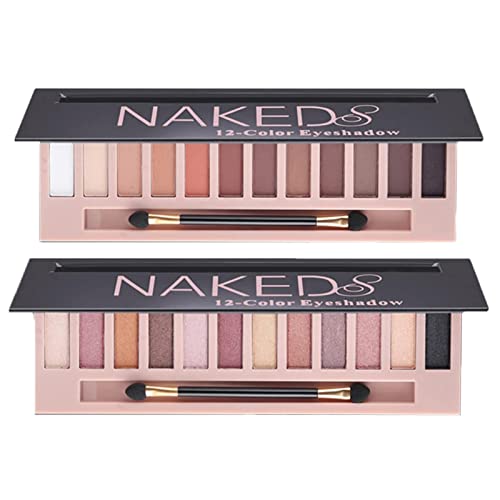
Eye Makeup for Brown Eyes: Expert Tips & Guides
Brown eyes are warm, versatile, and incredibly beautiful. Learn which shades make them glow, how to apply eyeliner that flatters your eye shape, and the techniques professional makeup artists use to bring out the depth and richness of brown irises.
EXPLORE EYE MAKEUP GUIDESWhy Color Theory Matters for Brown Eyes
Color theory is the foundation of every flattering eye makeup look. The principle is simple: colors that sit opposite each other on the color wheel create contrast, and contrast is what makes eyes appear brighter and more vibrant. Brown eyes fall on the warm side of the spectrum, which means cool-toned shades — blues, purples, greens — create the most striking contrast. However, warm metallics like bronze and copper also work beautifully because they echo the natural warmth of the iris.
Understanding this balance between contrast and harmony gives you a reliable framework for choosing eyeshadow, eyeliner, and even mascara shades. If you want a look that draws attention to your eye color, lean into complementary shades. If you prefer a soft, blended, everyday look, stick with warm neutrals that harmonize with the natural tone of your eyes. For a broader overview of eye makeup fundamentals, see our complete eye makeup guide.
| Brown Eye Undertone | Best Contrast Shades | Best Harmonizing Shades |
|---|---|---|
| Warm brown (golden flecks) | Navy, teal, deep purple | Bronze, copper, gold, terracotta |
| Cool brown (ashy flecks) | Emerald, burgundy, sapphire | Taupe, mauve, soft plum |
| Dark brown (deep chocolate) | Bright teal, royal blue, fuchsia | Champagne, rose gold, warm brown |
| Light brown (amber hints) | Deep plum, forest green, cobalt | Peach, soft bronze, honey |
Best Eyeshadow Shades for Brown Eyes
The right eyeshadow palette can transform your eye makeup routine. For brown eyes, a palette that includes a mix of warm neutrals and a few jewel-toned accent shades gives you the most versatility. Here are the shade families that consistently flatter brown eyes:
1. Bronze and Copper
Bronze and copper are the quintessential brown-eye shades. They mirror the warm undertones of the iris while adding a reflective, metallic finish that catches the light. These shades work beautifully as an all-over lid color for an easy daytime look or as a halo highlight in the center of the lid for evening drama. For a curated selection of palettes built around these tones, explore our guide to the best eyeshadow palettes for brown eyes.
2. Plum and Burgundy
Plum, burgundy, and deep mauve create a sophisticated contrast that makes brown eyes appear richer and more dimensional. These shades are especially flattering for cool-toned brown eyes and work well in the crease or as a smudged liner along the lower lash line. A matte plum in the crease paired with a shimmering rose-gold lid is a classic combination that suits almost every brown-eyed wearer.
3. Navy and Deep Blue
Navy and deep sapphire are the ultimate contrast shades for brown eyes. Because blue sits opposite orange-brown on the color wheel, even a subtle wash of navy near the lash line can make the iris appear warmer and brighter. Avoid pale, frosty blues, which can look dated and wash out the eye area. Instead, choose a rich, saturated navy or a soft slate blue for a modern, wearable result.
4. Emerald and Olive Green
Green shades — from deep emerald to soft olive — bring out the golden flecks in brown eyes. An olive-green wash across the lid is a subtle way to add interest to an everyday look, while a jewel-toned emerald smoked into the outer corner creates a dramatic evening effect. These shades pair exceptionally well with bronze and gold highlighters.
5. Warm Neutrals
Not every look needs a bold color. Warm neutral shades like caramel, soft terracotta, champagne, and rich chocolate brown form the backbone of a reliable everyday routine. These shades blend seamlessly, suit every skin tone, and provide a polished base that lets your natural eye color take center stage. If you are building a capsule makeup collection, start with a warm-neutral palette and add one or two accent shades from the families above.
Eyeliner Colors and Techniques for Brown Eyes
Eyeliner is one of the most impactful tools for defining brown eyes. The color you choose and the way you apply it can dramatically change the overall effect of your makeup. Here is how to choose and apply eyeliner for maximum impact:
Choosing the Right Eyeliner Color
- Brown-black: A softer alternative to jet black that defines the lash line without looking harsh. Ideal for daytime wear and for those with lighter brown eyes.
- Navy blue: A classic contrast shade that makes brown eyes appear warmer and brighter. Navy liner is especially flattering on dark brown eyes.
- Deep purple or plum: Adds a subtle pop of color while still reading as a neutral. Purple liner is a favorite among makeup artists for brown-eyed clients.
- Emerald or forest green: Draws out golden and amber flecks in the iris. Works best as a smudged liner rather than a sharp wing.
- Bronze or copper: Creates a soft, luminous definition that complements warm brown eyes. Bronze liner is particularly flattering on light brown eyes.
Application Techniques
The way you apply eyeliner matters as much as the color. For a natural look, tightline the upper lash line with a brown or bronze pencil and smudge a small amount of shadow along the lower lash line. For a more defined look, draw a thin line along the upper lash line and extend it into a subtle wing. If you are new to winged liner, start with a shorter, softer wing rather than a dramatic flick. For a comprehensive tutorial on liner application, see our eyeliner guide. If you have almond-shaped eyes, our article on eyeliner for almond-shaped eyes offers shape-specific tips.
Step-by-Step Eye Makeup Tutorial for Brown Eyes
This tutorial walks you through a versatile, flattering eye makeup look that works for both daytime and evening occasions. It combines warm neutrals with a subtle pop of bronze and a soft liner, making it an ideal starting point if you are new to eye makeup or want a reliable go-to look.
- Prime the eyelids. Apply a small amount of eyeshadow primer to both eyelids and blend it out with your fingertip or a small brush. Primer prevents creasing and intensifies the color of your eyeshadow. If you have oily lids, our guide to eye primer for oily eyelids offers product recommendations.
- Apply a base shade. Sweep a warm neutral shade — champagne, soft peach, or light caramel — across the entire lid from lash line to brow bone. This creates an even canvas and helps the deeper shades blend smoothly.
- Define the crease. Using a fluffy blending brush, apply a medium-depth shade — such as soft terracotta or warm brown — into the crease. Use small, circular motions to blend the color upward and outward for a seamless transition.
- Add a bronze accent. Pat a shimmering bronze or copper shade onto the center of the lid, focusing on the area directly above the pupil. This draws light to the center of the eye and makes the iris appear larger.
- Line the eyes. Tightline the upper lash line with a brown or bronze pencil. Then, using a small angled brush, smudge a small amount of dark brown or navy shadow along the outer third of the lower lash line.
- Curl and coat the lashes. Curl your lashes and apply two coats of mascara, wiggling the wand at the base of the lashes to lift and separate. Choose a lengthening and volumizing formula in black or brown-black. If your eyes are sensitive, our guide to mascara for sensitive eyes covers gentle options.
- Highlight the inner corner. Apply a small dot of champagne or pearl highlighter to the inner corner of each eye. This brightens the eye area and adds a subtle, wide-awake effect.
For a more detailed breakdown of everyday makeup techniques, including product recommendations and brush tips, see our getting started guide.
Adapting Eye Makeup to Your Eye Shape
Brown eyes come in every eye shape, and the most flattering makeup look is one that is tailored to your unique features. Here is how to adapt the techniques above to different eye shapes:
Hooded Eyes
For hooded eyes, the goal is to create the illusion of more visible lid space. Apply the crease shade slightly higher than you would on a non-hooded eye, and use a matte shade rather than a shimmer in the crease. Avoid heavy liner on the upper lash line, which can make the lid appear heavier. If you use eye primer, look for one formulated specifically for hooded eyes, such as those featured in our eye primer for hooded eyes guide.
Almond Eyes
Almond eyes are the most versatile shape and can carry almost any look. To accentuate the natural almond shape, extend the eyeliner slightly beyond the outer corner and follow the natural upward curve of the lower lash line. A subtle wing is particularly flattering. For more detailed tips, see our guide to eyeliner for almond-shaped eyes.
Round Eyes
For round eyes, concentrate the deeper shades on the outer third of the lid and extend the liner slightly outward to create an elongated effect. Avoid placing dark shades directly above the center of the lid, which can make the eye appear rounder.
Monolid Eyes
Monolid eyes benefit from a gradient effect: a light shade on the inner half of the lid, a medium shade on the outer half, and a deeper shade concentrated near the lash line. A thin, precise liner and lifted lashes help define the eye without overwhelming the lid space.
Choosing the Right Products for Brown Eyes
Great eye makeup starts with the right tools and formulations. When shopping for products, focus on quality and compatibility with your skin type rather than chasing every new trend. Here is what to prioritize:
Eyeshadow
Look for eyeshadows with rich pigmentation and a smooth, blendable texture. Matte shades should be creamy rather than chalky, and shimmer shades should have fine, reflective particles rather than chunky glitter. For a curated selection of palettes in flattering brown-eye shades, see our eyeshadow guide and our article on the best eyeshadow palettes for brown eyes.
Eyeliner
Gel liners offer the best balance of precision and blendability for most users. Pencils are more forgiving for beginners and are ideal for a soft, smudged look. Liquid liners are best for sharp, precise wings. If your eyes are sensitive, choose a liner labeled ophthalmologist-tested. Our eyeliner guide compares the different formats in more detail.
Mascara
A good mascara should separate, lift, and volumize the lashes without clumping or flaking. Brown-black shades are a safe choice for everyday wear, while black mascara provides more definition for evening looks. For sensitive eyes, see our guide to mascara for sensitive eyes.
Brushes
You need three essential brushes for eye makeup: a flat shader brush for applying color to the lid, a fluffy blending brush for the crease, and a small angled brush for liner and detail work. A quality brush set makes a noticeable difference in how easily your makeup blends. Explore our guide to eyeshadow brushes for recommendations.
Primer
Eyeshadow primer is essential if you want your eye makeup to last all day without creasing or fading. It also intensifies the color of your eyeshadow and helps it blend more smoothly. If you have oily lids, choose a mattifying primer; for dry lids, choose a hydrating formula. Our guide to eye shadow primer covers the options.
Common Eye Makeup Mistakes to Avoid
Even experienced makeup wearers occasionally fall into habits that work against their features. Here are the most common eye makeup mistakes to watch for, especially when working with brown eyes:
- Skipping primer: Without primer, eyeshadow tends to crease and fade within a few hours. A small amount of primer makes a significant difference in longevity and color payoff.
- Using shades that are too similar to your eye color: While monochromatic looks can be beautiful, shades that are too close to your natural brown can make the eyes appear flat. Add at least one contrasting or metallic shade for depth.
- Over-blending: While blending is important, over-blending can muddy the colors and cause the look to lose definition. Stop blending when the transition is smooth but the colors are still distinct.
- Applying liner too thickly: A thick, heavy liner can make the eye area appear smaller, especially on hooded or smaller eyes. Start with a thin line and build up gradually.
- Neglecting the lower lash line: A small amount of shadow or liner along the lower lash line balances the eye and prevents the upper lid from looking top-heavy. Smudge gently for a soft, cohesive effect.
- Forgetting to curl lashes: Curled lashes open the eye and make mascara application more effective. If you skip this step, your mascara will not perform at its best. If you have straight or stubborn lashes, a heated lash curler can help — see our guide to heated eyelash curlers.
Frequently Asked Questions
What eyeshadow colors look best on brown eyes?
Bronze, copper, gold, plum, navy, emerald green, and warm terracotta all flatter brown eyes beautifully. These shades create contrast and make the warm undertones of brown eyes appear richer and more luminous.
What eyeliner color makes brown eyes pop?
Navy blue, deep purple, emerald green, and bronze liner all make brown eyes pop. If you prefer classic black, choose a brown-black rather than a harsh jet black for a softer, more flattering effect.
How do I do eye makeup for brown eyes for beginners?
Start with an eyeshadow primer, apply a warm neutral shadow all over the lid, add a slightly deeper shade in the crease, then define the lash line with a brown or bronze pencil. Finish with mascara and blend everything thoroughly with a clean brush.
Can brown eyes wear blue eyeshadow?
Yes, but the trick is choosing the right blue. Navy, teal, and deep sapphire flatter brown eyes far better than bright, pale blues. Keep the blue concentrated near the lash line or outer corner for a wearable look.
What is the best mascara for brown eyes?
A lengthening and volumizing mascara in black or brown-black works best. Brown eyes benefit from mascara that separates lashes and lifts them, as this opens the eye area and draws attention to the warm iris tones.