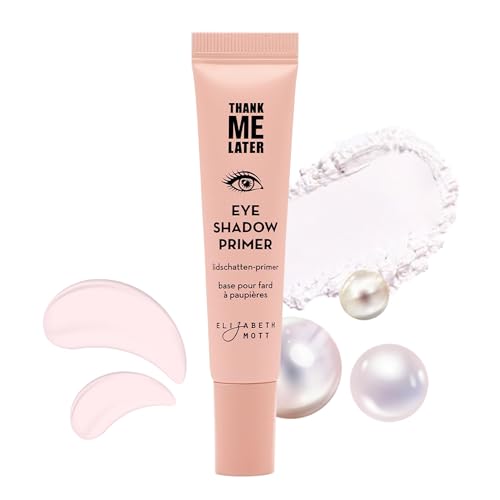
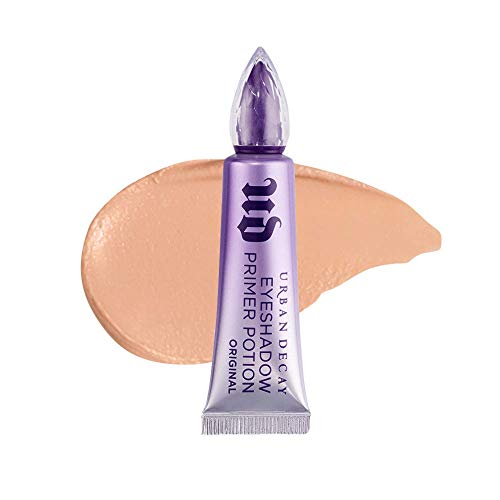
What Is Eye Shadow Primer and Why Should You Use It?
An eye shadow primer is a lightweight base applied to the eyelids before eyeshadow. Its job is to create a smooth, slightly tacky surface that grips pigment, boosts color intensity, and prevents creasing, fading, and smudging throughout the day. Unlike face primer, which is designed for the larger, thicker skin of the face, eye shadow primer is formulated specifically for the delicate, thin skin of the eyelids—an area that produces oil and is prone to folding and creasing.
Many people skip primer because they assume a good eyeshadow should last on its own. In reality, even premium eyeshadows perform noticeably better over a primer. The primer acts as a barrier between your skin's natural oils and the pigment, so the color stays true and the finish remains fresh. If you want to explore the full range of eye makeup essentials beyond primer, our eye makeup hub is a great place to start.
Key Benefits of Using an Eye Shadow Primer
Prevents Creasing
Primer fills in fine lines and creates a smooth canvas, so eyeshadow doesn't settle into creases as the day goes on.
Boosts Color Payoff
Pigments adhere better to a primed lid, making shades look richer and more vibrant with less product.
Extends Wear Time
A good primer helps eyeshadow last through heat, humidity, and long hours without fading or smudging.
Controls Oil
Oil-controlling formulas keep shine at bay, which is especially helpful for oily eyelids and monolids.
Reduces Fallout
When pigment sticks to the primer instead of floating, you get less messy fallout under the eyes.
Evens Out Lid Tone
Tinted primers can neutralize redness or discoloration, giving eyeshadow a more uniform base.
Types of Eye Shadow Primer: Which Formula Is Right for You?
Eye shadow primers come in several formats, each suited to different skin types and preferences. The table below compares the most common types using universal quality tiers rather than prices, so the guidance stays relevant over time.
| Primer Type | Best For | Finish | Typical Tier |
|---|---|---|---|
| Cream Primer | Dry to normal lids; those who want a smooth, blendable base | Natural to satin | mid-range |
| Liquid Primer | Oily lids; long-wear looks; humid climates | Matte | entry-level to mid-range |
| Tinted Primer | Redness or discoloration on the lids; no-makeup makeup days | Natural | mid-range |
| Stick Primer | Travel and on-the-go touch-ups; precise application | Satin | mid-priced |
| Long-Wear / Waterproof Primer | Special events, weddings, hot weather, oily eyelids | Matte to satin | premium |
If your eyelids tend to get oily by midday, a liquid or long-wear matte primer is usually the most reliable choice. For hooded eyes, where the lid folds over itself and creasing is almost guaranteed without help, a tackier cream or long-wear formula works best—see our dedicated guide on eye primer for hooded eyes for a deeper dive. And if shine is your main concern, the tips in our eye primer for oily eyelids article will help you pick a formula that keeps everything in place.
How to Apply Eye Shadow Primer: Step-by-Step
Application is simple, but a few small details make a big difference in how well your eyeshadow performs. Follow these steps for the best results:
- Start with clean, dry lids. Remove any oil, moisturizer residue, or leftover makeup with a gentle cleanser or micellar water. A clean surface helps the primer grip properly.
- Use a tiny amount. Squeeze out about the size of a grain of rice per eyelid. More primer does not mean better wear—it can make eyeshadow slide or look patchy.
- Apply with your ring finger or a flat brush. Dot the primer across the lid and blend it in a thin, even layer from lash line to brow bone. Your ring finger applies the least pressure, which is ideal for delicate eyelid skin.
- Let it set for about 30 seconds. Primer needs a moment to become slightly tacky. This is when it grips pigment best. If you apply eyeshadow immediately, it may blend unevenly.
- Apply eyeshadow as usual. Pat or press powder shades onto the primed lid rather than sweeping, which helps lock in color and minimize fallout.
- Set with a light dusting if needed. For very oily lids, a translucent setting powder over the primer can add extra grip before eyeshadow.
Common Eye Shadow Primer Mistakes to Avoid
- Using too much product. Excess primer creates a slippery surface that makes eyeshadow crease faster, not slower.
- Skipping the set time. Applying eyeshadow onto wet primer causes patchiness and uneven blending.
- Using face primer on the lids. Face primer is not formulated for the thin, oily eyelid skin and often fails to prevent creasing.
- Ignoring the brow bone. Blending primer slightly up to the brow bone helps eyeshadow transition shades stay put too.
- Not cleaning the applicator. If you use a brush or wand, clean it regularly to avoid bacteria buildup and product clumping.
Eye Shadow Primer vs. Other Bases: What's the Difference?
It is easy to confuse eye shadow primer with other products that sit on the lid. Here is a quick breakdown:
- Concealer: Can even out lid tone but does not control oil or lock pigment the way primer does; it often creases on its own.
- Face primer: Designed for facial skin and larger pores; usually too slippery or too rich for the eyelids.
- Eyeshadow base (cream shadow): Adds color and can act as a primer, but its main job is pigment, not grip. A dedicated primer is more reliable for long wear.
- Setting powder alone: Absorbs oil but does not boost adhesion or color intensity the way primer does.
For the best results, use a dedicated eye shadow primer, then layer your favorite eyeshadow on top. If you want to experiment with color placement, our guides on eye makeup for brown eyes, eye makeup for blue eyes, and eye makeup for dark eyes offer shade-specific advice that pairs well with a primed base.
Frequently Asked Questions About Eye Shadow Primer
What does eye shadow primer actually do?
Can I use face primer on my eyelids instead?
How much eye shadow primer should I apply?
Is eye shadow primer necessary for powder eyeshadows?
How do I choose a primer for hooded or oily eyelids?
Final Tips for Getting the Most Out of Your Primer
Consistency matters more than any single product. Clean your lids before application, use a thin layer, and give the primer a moment to set. Pair it with a quality eyeshadow brush—our guide to the eyeshadow brush explains how the right tool improves blending and placement. If you are building a complete eye makeup routine, explore our resources on eyeliner, eyelash extensions, and false eyelashes to round out your look. And if you are curious about related bases, our face primer guide explains how facial primers differ from eyelid primers.
With the right primer and a consistent routine, you can enjoy vibrant, crease-free eyeshadow that looks freshly applied all day—no midday touch-ups required.