Beauty Tools: The Complete Guide to Devices, Brushes & Gadgets
From facial cleansing brushes to LED therapy devices and professional-grade makeup brushes — learn which tools genuinely improve your routine, how to choose them, and how to care for them so they last.
EXPLORE THE GUIDEWhy beauty tools matter: The right tool can transform how a product performs. A quality foundation brush blends seamlessly where fingers leave streaks; a consistent facial cleansing brush deep-cleans pores better than manual washing alone. This guide breaks down every major category so you can invest wisely and build a tool kit that actually earns its place on your vanity.
Skincare Devices: What They Do and Who They Suit
Skincare devices have moved from spa-only luxury to mainstream essentials. The category spans simple manual tools like the ice roller to tech-driven devices such as LED light therapy masks and micro-needling pens. Understanding the mechanism behind each device helps you avoid buying gadgets that duplicate what you already own.
Manual tools — rollers, gua sha, massage tools — work primarily through mechanical stimulation: they encourage lymphatic drainage, boost circulation, and relieve facial tension. Powered devices add electrical or light-based technology, which requires more consistency and, in some cases, a learning curve. Entry-level powered devices typically offer basic vibration or single-wavelength LED, while mid-range and premium models add multiple wavelengths, app connectivity, and clinically studied protocols.
Facial Cleansing Brush
Silicone or bristle brush heads paired with sonic vibration to loosen sebum and debris. Best for oily and combination skin; sensitive skin types should choose soft silicone models and use them two to three times weekly.
LED Light Therapy Device
Red light supports collagen production and calming; blue light targets acne-causing bacteria. Consistency matters more than intensity — most protocols call for 10–20 minutes several times per week.
Facial Steamer
Warm mist softens the skin and opens pores before cleansing or masking. A useful prep step, though a warm damp towel achieves a similar short-term effect if you prefer a minimalist kit.
Ice Roller
Chilled rolling reduces morning puffiness and calms irritation after treatments. Store it in the freezer and roll gently along the jawline and under-eye area for a few minutes.
Micro-Needling Pen
Creates controlled micro-channels to improve serum absorption and support collagen remodeling. Best approached with professional guidance, especially at higher needle depths.
Face Lifting & Massage Device
Microcurrent and radio-frequency models aim to tone facial muscles and firm skin over time. Results build gradually; treat these as long-term routine investments rather than quick fixes.
Practical tip: If you are new to devices, start with one manual tool (a jade roller or gua sha tool) and one powered device that matches your primary concern. Stacking too many new tools at once makes it hard to tell what is actually working.
Makeup Brushes: Build a Kit That Actually Works
A well-chosen brush set does more for your makeup than any single product. The key variables are bristle type (natural vs. synthetic), shape, and density. Synthetic bristles are now the standard for liquid and cream formulas because they resist absorption and clean up easily; natural hair brushes still have a following for powder products because they pick up and diffuse pigment beautifully. If you are buying your first set, a curated brush set is more economical than assembling individual brushes.
| Brush | Best For | Bristle Type | Tier Guidance |
|---|---|---|---|
| Foundation Brush | Liquid and cream base | Synthetic, dense | Mid-range options offer better bristle density and less shedding |
| Powder Brush | Loose and pressed powder | Natural or synthetic, fluffy | Entry-level works well; premium brushes diffuse more evenly |
| Blush Brush | Cream and powder blush | Synthetic, angled or tapered | Mid-range tapered brushes give more control on the cheekbone |
| Eyeshadow Brush | Packing and blending shadow | Synthetic, flat and fluffy variants | Buy two — one flat for packing, one fluffy for blending |
Beyond the core four, consider a makeup bag or travel case to protect brushes from dust and deformation. Storing brushes upright in a holder keeps bristles shaped; laying them flat while drying prevents water from loosening the ferrule glue. A brush dryer is optional but helpful if you wash brushes frequently and want them ready overnight.
Hair Styling Tools: Heat, Power, and Technique
Hair tools are where the gap between entry-level and premium becomes most noticeable. An ionic hair dryer at the mid-range typically dries faster and reduces frizz compared to a basic model, largely because of improved airflow and heat distribution. Ceramic straighteners and curling wands benefit from consistent plate temperature — fluctuating heat is what causes hot spots and damage.
If you style frequently, a complete hair styling kit with multiple attachments often delivers better value than buying each tool separately. Hot rollers remain a favorite for volume that lasts, particularly on medium-length hair, and they are gentler than daily high-heat iron use.
Wellness & Manual Tools: Small Habits, Real Results
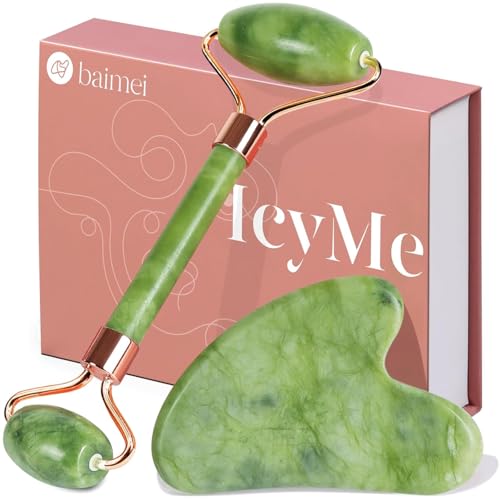
Manual tools are the most accessible entry point into beauty devices, and they deliver benefits through consistent use rather than technology. A jade roller kept in the fridge is a simple morning de-puffing ritual. A gua sha tool used with light pressure along the jaw and cheekbones releases tension and supports circulation. An acupressure mat sits outside the facial category but pairs well with a wind-down routine for stress management and better beauty sleep.
These tools are inexpensive to maintain and have no learning curve. The main pitfall is inconsistency — a roller used twice and forgotten delivers nothing. Treat them like any other habit: anchor them to an existing step (for example, roll while your moisturizer absorbs) so they become automatic.
Beauty Tools Buying Guide: How to Choose Wisely
Before adding a tool to your cart, work through three questions: What specific problem does it solve? How often will I realistically use it? and What does maintenance require? A device that needs charging, cleaning, and a 20-minute commitment several times a week is only worth it if the target concern genuinely bothers you.
Use the tier framework to set expectations. Entry-level tools are best for testing whether a category suits you — a basic silicone cleansing brush tells you if sonic cleansing works for your skin before you commit to a premium model. Mid-range tools usually improve build quality, add adjustable settings, and offer better warranties. Premium tools introduce clinically studied protocols, app-guided routines, and longer lifespans. None of these tiers guarantee results without consistent use.
- Check the return policy — skincare devices are personal, and a trial window matters.
- Verify replacement part availability — brush heads and attachments wear out.
- Read the cleaning instructions — a device that is hard to clean will not stay hygienic.
- Match the tool to your skin type — sensitive skin should avoid aggressive bristles and high-intensity settings.
- Start with one category — build your kit gradually rather than overhauling everything at once.
Storage matters: Keep brushes and small devices in a clean beauty storage solution away from humidity. Bathroom counters near the shower expose tools to moisture that encourages bacterial growth. A makeup mirror with a dedicated shelf keeps daily-use tools organized and visible, which in turn encourages regular use.
Care & Maintenance: Make Your Tools Last
Tool longevity comes down to cleaning discipline. Makeup brushes should be washed every one to two weeks with a gentle cleanser — a dedicated brush cleaner or mild shampoo both work. A cleaning mat for makeup brushes speeds up the process and helps rinse product out of the bristle base, which is where buildup causes shedding. If you prefer a DIY approach, a simple DIY makeup brush cleaning solution using mild soap and a few drops of tea tree oil works well for synthetic bristles.
Powered devices need their own routine: wipe down contact surfaces after every use, follow the manufacturer's cleaning schedule for brush heads and plates, and store them charged but not plugged in continuously. For manual stone tools like jade rollers and gua sha, wash with mild soap and dry fully before storing — stone left damp can develop surface issues over time.
Frequently Asked Questions
What are the most essential beauty tools for beginners?
Start with a foundation brush, powder brush, blush brush, makeup sponge, and a manual massage tool such as a jade roller. These cover the fundamentals of application and skincare without requiring a large investment or a complex routine.
How often should I clean my makeup brushes?
Clean brushes every one to two weeks. Foundation and concealer brushes, which hold liquid product, should be washed more frequently — ideally weekly — because damp product residue is an ideal environment for bacteria.
Do LED light therapy devices really work?
Clinical research supports LED therapy for improving skin tone, calming inflammation, and supporting collagen production. Results depend on consistent use over several weeks. Device quality varies across tiers, so prioritize devices with clearly documented wavelengths and treatment protocols.
What is the difference between a jade roller and a gua sha tool?
A jade roller uses rolling motions for lymphatic drainage and de-puffing, while a gua sha tool uses angled scraping motions to release tension and stimulate circulation. Many routines use both — the roller in the morning and gua sha in the evening.
Are expensive beauty tools worth it?
Not always. Entry-level tools are often sufficient for manual categories like rollers and basic brushes. The premium premium is more justifiable for powered devices where build quality, safety certifications, and treatment consistency directly affect results. Match your spending to how central the tool is to your routine.
Ready to build your routine? Explore our full beauty tools category, or start with foundational guides on the facial cleansing brush and foundation brush to narrow down your first purchase.