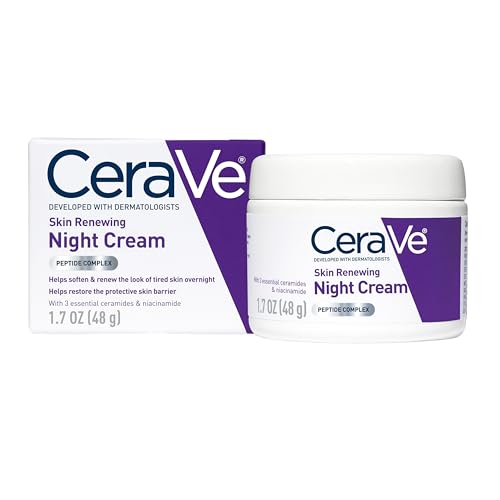
The Complete Guide to Night Creams
Unlock your skin's overnight repair potential. Find the perfect night cream for your skin type and budget.
VIEW TOP NIGHT CREAMSIf you're looking to elevate your skincare routine, a dedicated night cream is one of the most transformative products you can add. Unlike your daytime moisturizer, a night cream is specifically engineered to work in synergy with your skin's circadian rhythm. While you sleep, your skin shifts from a protective mode to a repair mode, making it the optimal time to feed it rich, rejuvenating ingredients. This guide will walk you through everything you need to know before you buy, from key ingredients to application techniques.
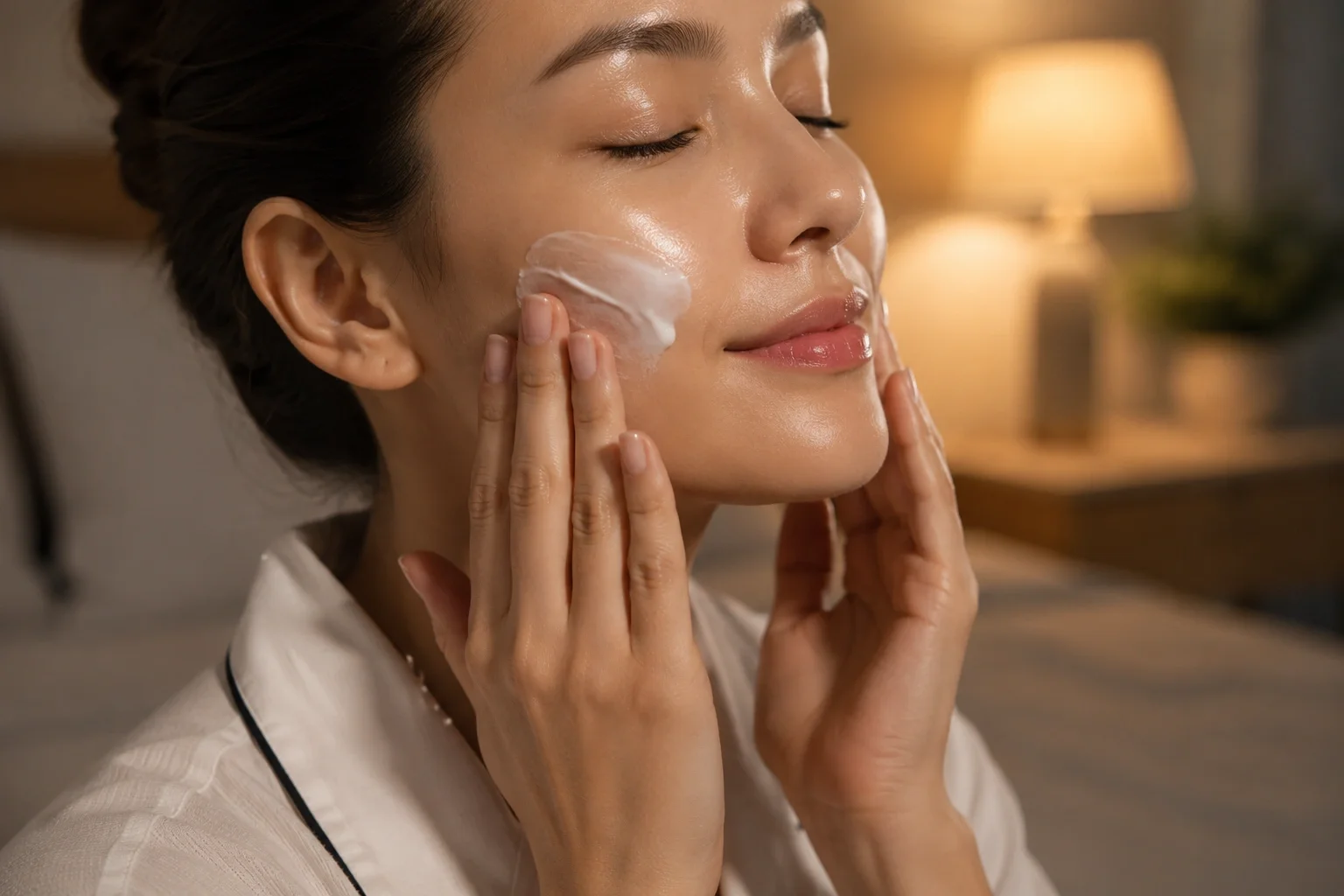
Why Add a Night Cream to Your Routine?
You might wonder why you can't just use your day cream at night. The answer lies in the formulation. Day creams are designed to be lightweight, playing well under makeup and sunscreen, and are often packed with antioxidants to defend against environmental damage. A night cream, conversely, has a richer, more emollient texture and contains higher concentrations of active ingredients that target specific skin concerns directly. The skin is more permeable at night and experiences less moisture loss, creating a perfect window for ingredients to penetrate deeply and work more effectively without interference from UV rays or pollution.
Key Ingredients to Look For in a Night Cream
Selecting the right night cream means understanding its ingredients. Depending on your primary skin concern—whether it's fine lines, dryness, or uneven tone—certain components will be more beneficial than others.

Retinol
The gold standard for anti-aging. It boosts collagen production and accelerates cell turnover to smooth fine lines and refine texture. For a deeper dive, see our guide on retinol.

Peptides
These amino acid chains signal your skin to produce more collagen, leading to firmer, plumper skin. They are a gentle alternative to retinol, perfect for sensitive skin types.

Hyaluronic Acid
A powerful humectant that draws moisture into the skin. Even the oiliest skin needs hydration, and hyaluronic acid provides weightless, non-comedogenic moisture.

Niacinamide
A form of Vitamin B3 that strengthens the skin barrier, controls sebum, and calms inflammation. A versatile ingredient suitable for virtually all skin types.
How to Choose a Night Cream for Your Skin Type
Not all rich creams are created equal. Matching the formula to your skin type is crucial to avoid clogged pores or insufficient hydration.
- Dry Skin: Look for rich, balm-like textures with ceramides, shea butter, and oils like squalane to repair a compromised skin barrier and lock in moisture. You might also benefit from layering a face oil on top.
- Oily & Acne-Prone Skin: Avoid heavy, occlusive formulas. Instead, opt for a lightweight, gel-based night cream or a hydrating face serum that contains niacinamide to regulate oil production without adding grease.
- Combination Skin: A lotion texture that's not too heavy or too light works best. Focus on balancing ingredients, and don't be afraid to multi-mask by applying a richer cream on dry cheeks and a lighter one on the T-zone.
- Sensitive Skin: Steer clear of fragrances and drying alcohols. Formulas with centella asiatica, colloidal oatmeal, and peptides will help calm redness and reinforce the skin's natural protective layer.
- Mature Skin: Your focus should be on firming and plumping. A cream containing a combination of retinol and peptides can be transformative. Follow up with a targeted eye cream to address crow's feet and periorbital aging.

The Correct Way to Apply Night Cream
Application technique is just as important as the product itself. Follow these steps to maximize absorption and benefits. Start with a perfectly cleansed base using a gentle face wash, followed by your face toner.
- Dispense the Right Amount: A pea-sized amount is usually sufficient for your entire face and neck. Using too much can lead to product pilling and waste.
- Warm It Up: Emulsify the cream by rubbing it gently between your fingers. This warms the product, making it more easily absorbed by the skin.
- Press, Don't Rub: Gently press and pat the cream into your skin using an upward, outward motion. Avoid aggressive tugging, especially around the delicate eye area.
- Don't Forget Your Neck: Your neck and décolletage show signs of aging just as readily as your face. Apply any remaining product downwards from your chin to your chest.
- Give It Time: Allow the cream to sink in for at least 5-10 minutes before your head hits the pillow to prevent product transfer.
For an extra boost of relaxation and lymphatic drainage, incorporate a facial roller after application. The gentle massage helps depuff and further aids product penetration.
Frequently Asked Questions About Night Creams
At what age should I start using a night cream? It's never too early to start a reparative nighttime routine. While heavy anti-aging formulas might not be necessary in your teens, starting with a hydrating and antioxidant-rich night cream in your early to mid-20s is a proactive way to prevent premature aging.
Can I use my night cream as an eye cream? While the skin around your eyes needs intense moisture, regular face creams can be too thick or contain high concentrations of active ingredients that may cause irritation or milia in the thin periorbital area. A dedicated eye cream is formulated with a smaller molecular structure to safely penetrate this delicate skin.
Is it okay to sleep with a night cream on? Absolutely. Unlike a wash-off face mask, a night cream is designed as a leave-on product that steadily delivers hydration and active ingredients throughout your entire sleep cycle.

Finding the right night cream is a personal journey that can yield incredible results. By understanding your skin's specific needs and the ingredients that address them, you can wake up each morning to a visibly healthier, more radiant complexion.