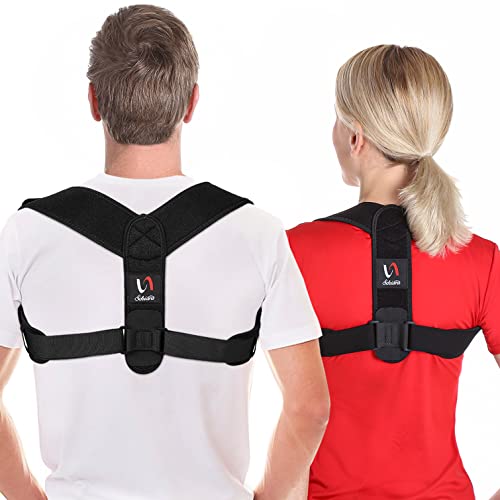
Posture Improvement: Stand Taller, Feel Better
Learn how to correct your posture with simple exercises, ergonomic adjustments, and daily habits. Reduce pain, boost confidence, and improve your overall wellness.
Start Improving Your PostureGood posture is more than just standing up straight — it's a cornerstone of physical health, mental well-being, and even how others perceive you. Whether you spend hours at a desk, constantly look down at your phone, or simply want to move with more grace, improving your posture can transform your life. This comprehensive guide covers everything from posture exercises and ergonomic tips to the best products that support a healthy spine.
Why Posture Matters
Physical Health
Poor posture leads to muscle tension, back pain, headaches, and even digestive issues. Correct alignment reduces strain on your spine and joints.
Mental & Emotional
Studies show that standing tall increases confidence, reduces stress, and even improves mood. Your posture affects how you feel and how others respond to you.
Common Posture Problems
Forward Head Posture
Often called "tech neck," this occurs when your head juts forward, straining neck muscles. Common among smartphone users and desk workers.
Rounded Shoulders
Your shoulders roll forward, creating a hunched appearance. This tightens chest muscles and weakens upper back muscles.
Anterior Pelvic Tilt
The pelvis tilts forward, causing lower back arch. Often linked to prolonged sitting and weak core muscles.
Text Neck
Looking down at devices for extended periods puts up to 60 pounds of pressure on your cervical spine.
Top Posture Exercises
Chin Tucks
Pull your head straight back, creating a double chin. Hold for 5 seconds. Repeat 10 times. This strengthens neck muscles and realigns your head.
Wall Angels
Stand against a wall, slide your arms up and down like a snow angel. Keep your back flat. Opens chest and improves shoulder mobility.
Glute Bridges
Lie on your back, knees bent, lift hips off the floor. Squeeze glutes at the top. Strengthens posterior chain and supports pelvic alignment.
Cat-Cow Stretch
On all fours, alternate between arching your back (cat) and dipping it (cow). Increases spinal flexibility and relieves tension.
Ergonomic Tips for Daily Life
At Your Desk: Adjust your chair so your feet are flat, knees at 90°, and screen at eye level. Use a facial roller to release tension in your jaw and neck during breaks.
While Standing: Distribute weight evenly on both feet. Engage your core slightly. Imagine a string pulling you up from the crown of your head.
Using Your Phone: Lift your phone to eye level instead of bending your neck. Take frequent breaks to stretch.
Benefits of Good Posture
- Reduced back, neck, and shoulder pain
- Improved breathing and oxygen flow
- Enhanced confidence and presence
- Better digestion and circulation
- Fewer headaches and fatigue
- Long-term joint and spine health
Posture & Lifestyle
Posture isn't just about exercise — it's about how you live. Incorporate mindfulness into your day to become more aware of your alignment. A workout routine that includes strength training and flexibility work will support your posture goals. Even your beauty sleep matters: sleeping on your back with a supportive pillow can maintain spinal alignment. For those who spend hours at a desk, consider stress management techniques to avoid tension-related slouching.
Ready to Transform Your Posture?
Start today with the exercises above, adjust your workspace, and explore products designed to support a healthier spine.
Shop Posture Aids