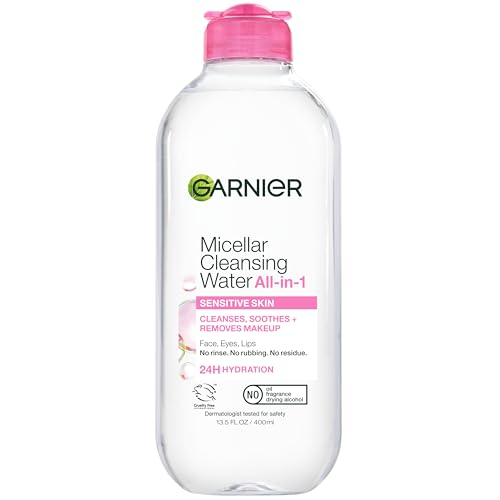
Micellar Water: The Gentle Cleanser Your Skin Deserves
Effortlessly remove makeup, cleanse, and hydrate in one simple step—without stripping your skin's natural barrier.
SHOP BEST MICELLAR WATERSIf you've ever searched for a makeup remover that doesn't leave your skin feeling tight, greasy, or irritated, you've likely come across micellar water. Originally a French pharmacy secret, this gentle cleansing water has become a global skincare staple for good reason. It looks like water, feels light as a feather, yet effortlessly dissolves makeup, sunscreen, and daily grime—all without harsh rubbing.
But what exactly is micellar water? How does it work its magic without foam or rinsing? And more importantly—is it the right cleanser for your skin type? In this comprehensive guide, we'll answer all your burning questions and help you find the perfect formula for your skin's unique needs.
What Is Micellar Water?
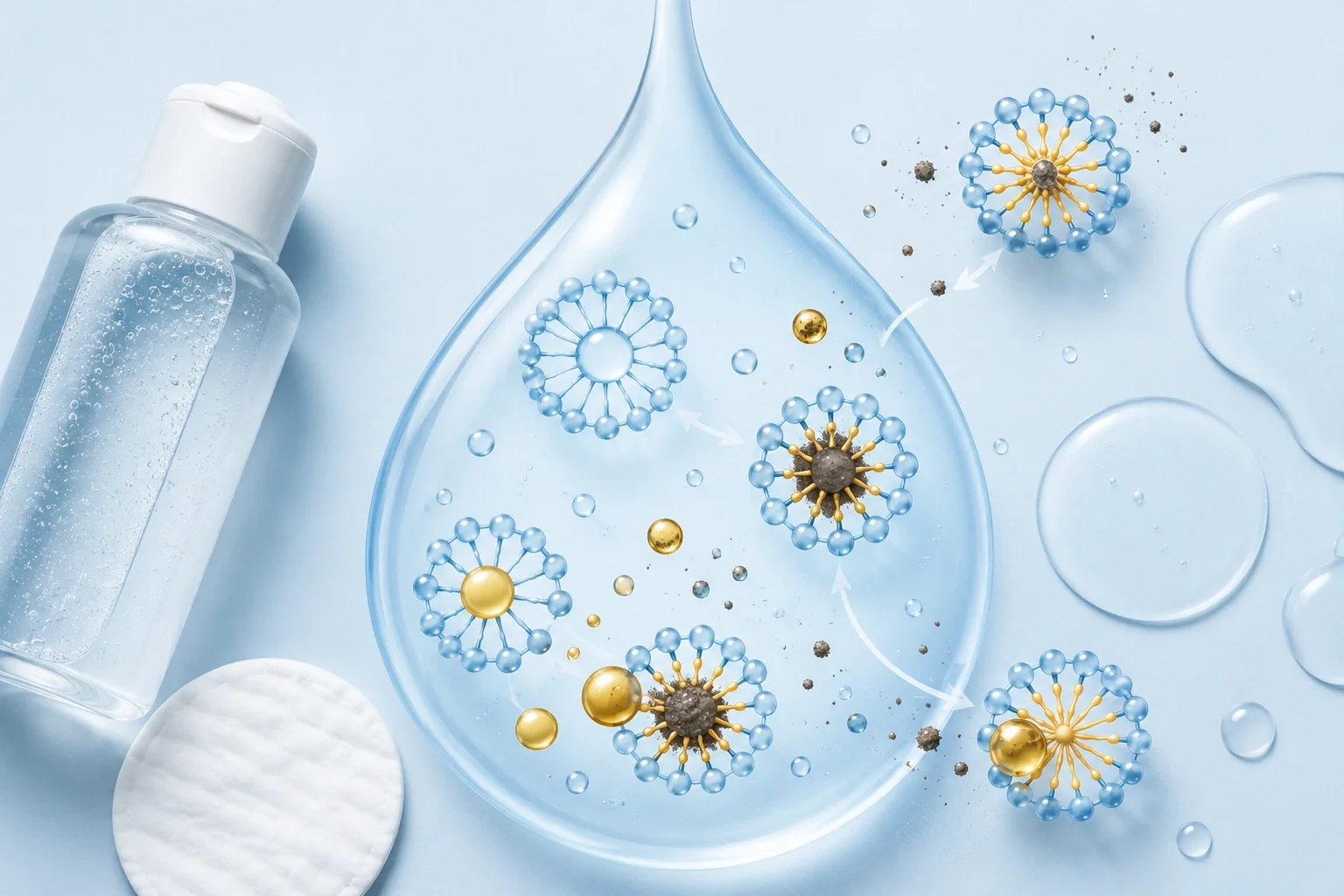
At its core, micellar water is a multi-tasking cleansing liquid made of three key components: purified water, hydrating ingredients (like glycerin), and micelles. Micelles are tiny spherical clusters of cleansing molecules (surfactants) that have a unique dual nature—one end loves water (hydrophilic), and the other end attracts oil and dirt (lipophilic).
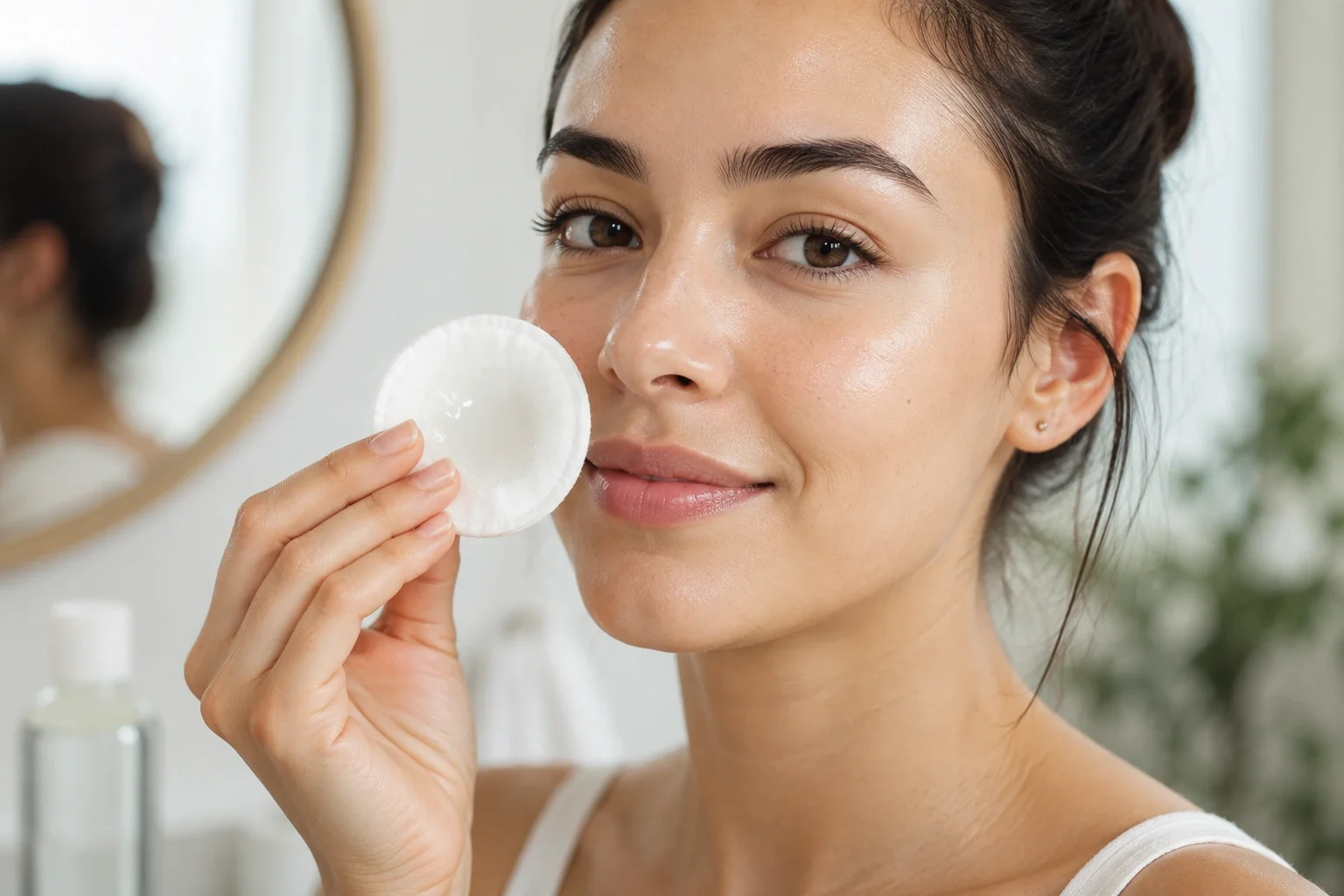
When you apply micellar water to a cotton pad and swipe it across your face, the micelles act like magnets. The lipophilic tails grab onto makeup, excess sebum, sunscreen, and pollutants, while the hydrophilic heads remain suspended in the water base. This allows you to lift away impurities without dragging, tugging, or stripping your skin. The result? Clean, refreshed skin that still feels soft and hydrated.
Unlike traditional foaming cleansers that rely on surfactants to create lather (often disrupting your skin's pH and moisture barrier), micellar water offers a far gentler approach. It doesn't require water to activate, which makes it incredibly convenient for travel, post-gym refresh, or lazy evenings when a full sink routine feels like too much.
Top Benefits of Micellar Water
Micellar water has earned its cult-favorite status for a reason—it delivers multiple skincare benefits in one simple product. Here's why dermatologists and beauty enthusiasts alike swear by it:

Gentle Yet Effective Cleansing
Removes makeup, dirt, and oil without harsh rubbing or irritation. Ideal for sensitive and reactive skin types.

Maintains Skin Hydration
Unlike tap water and foaming cleansers, micellar water cleanses without disrupting the skin's natural moisture barrier.

No-Rinse Convenience
Perfect for travel, camping, post-workout, or late nights when you need a quick, effective cleanse without water.
Multi-Tasking Powerhouse
Functions as makeup remover, cleanser, and toner in one step. Simplifies your skincare routine beautifully.

Suitable for All Skin Types
From oily and acne-prone to dry and mature, there's a micellar water formula tailored for every skin concern.

Calms & Soothes
Many formulas include soothing ingredients like glycerin and chamomile that calm redness and irritation during cleansing.
How to Use Micellar Water Correctly
Using micellar water might seem straightforward, but technique matters. Follow these steps to maximize its cleansing power while protecting your skin:
Saturate the Cotton Pad
Don't be stingy! Generously soak a cotton pad until it's fully damp. A dry pad creates friction and won't activate the micelles properly.
Press & Hold First
For eye makeup, press the soaked pad gently against your closed eyelid for 5-10 seconds. This allows the micelles to dissolve mascara and eyeliner without rubbing.
Swipe, Don't Scrub
Gently swipe the pad outward in one direction. Avoid back-and-forth scrubbing, which can irritate skin and push dirt deeper into pores.
Repeat Until Clean
Use fresh cotton pads and repeat until the pad comes away clean. For full-face makeup, this typically takes 2-3 pads total.
Follow With Rinsing (Optional)
While micellar water is often marketed as rinse-free, those with sensitive or acne-prone skin may benefit from a quick water rinse to remove any residual surfactants.
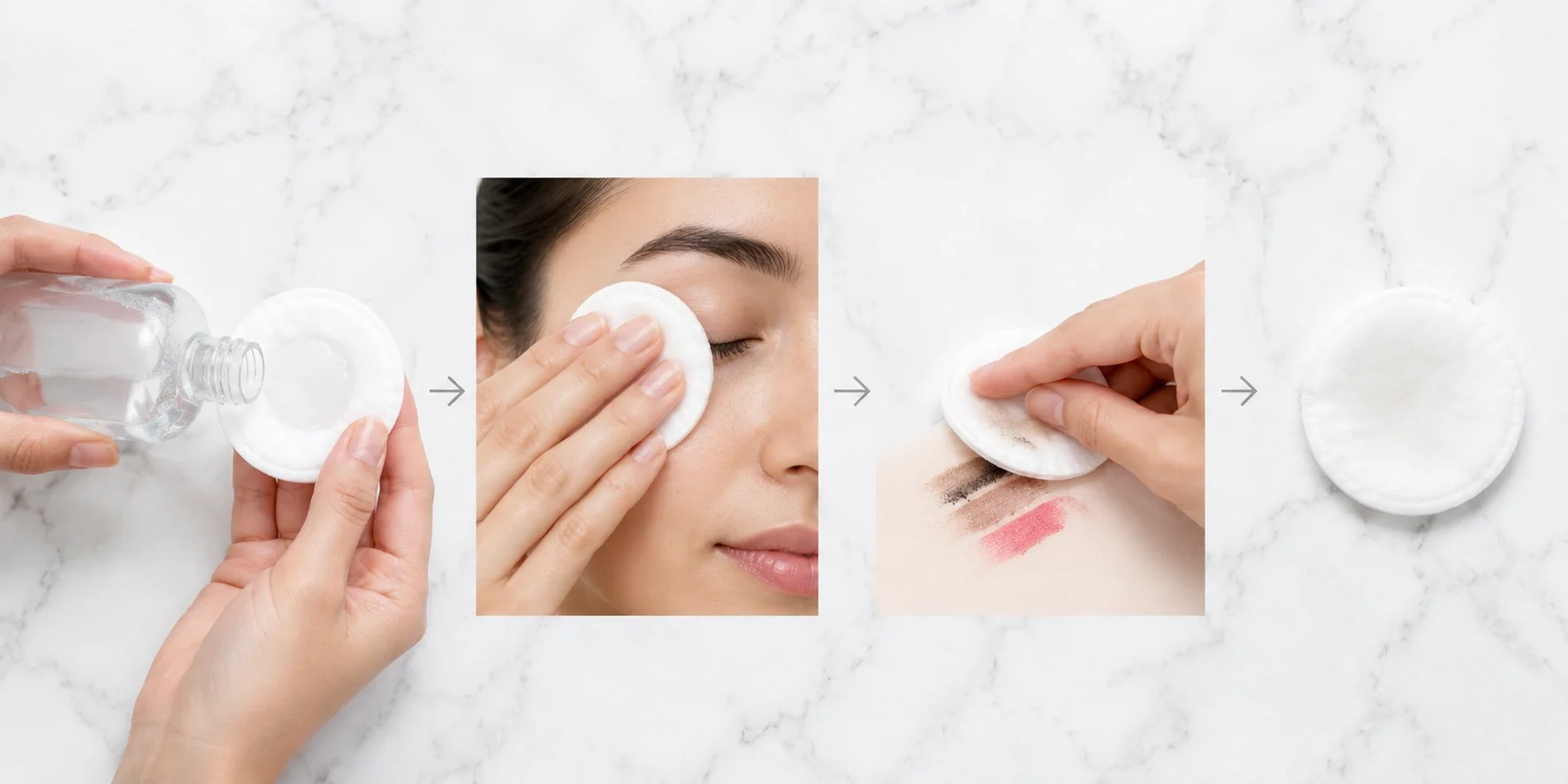
For a thorough double cleanse, start with micellar water to dissolve makeup and sunscreen, then follow with your favorite face wash suited to your skin type. This two-step method ensures your pores are completely clear without over-drying your skin.
How to Choose the Best Micellar Water for Your Skin Type
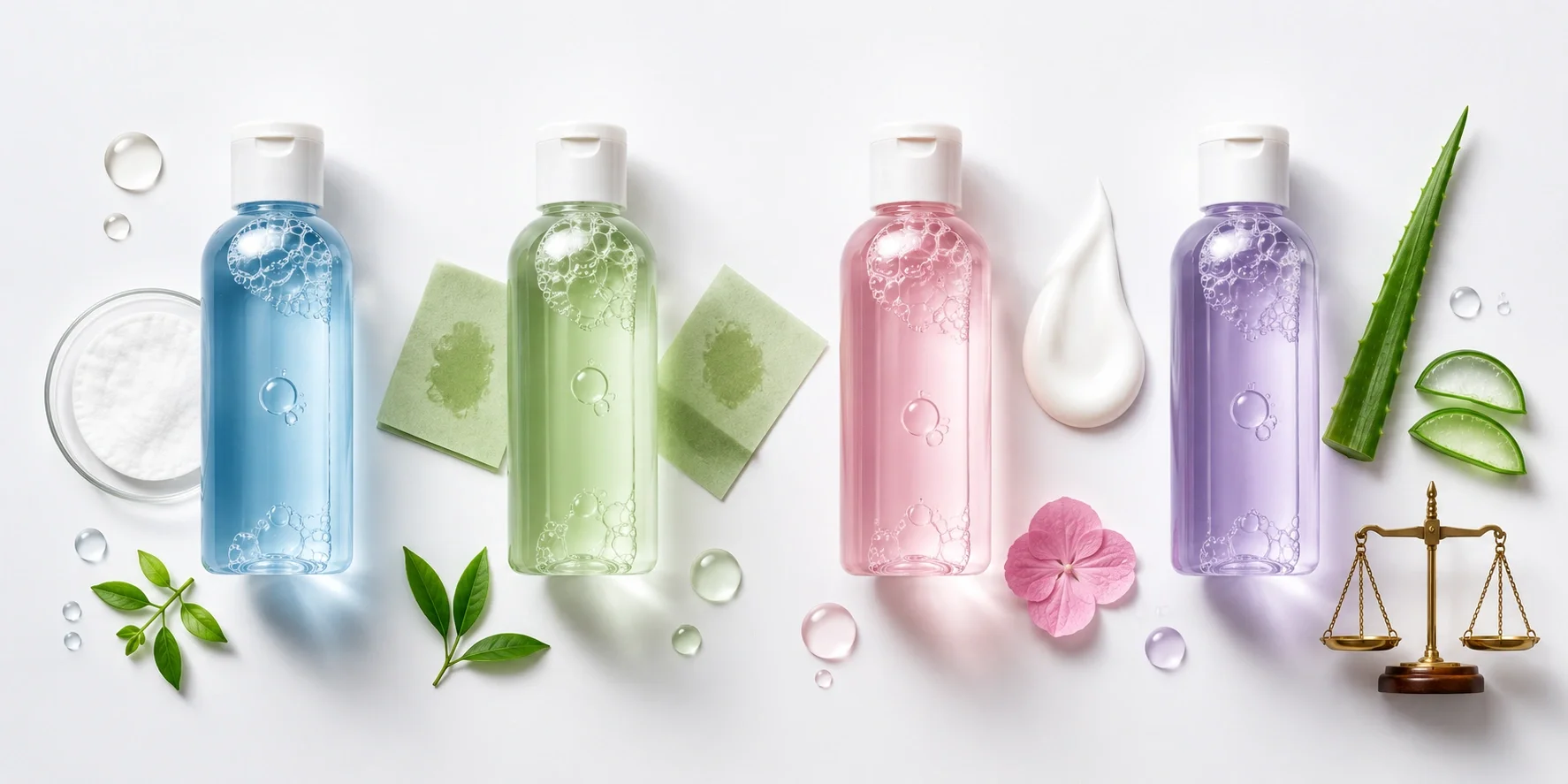
Not all micellar waters are created equal. Different formulas cater to different skin concerns. Here's how to find your perfect match:
| Skin Type | What to Look For | Key Ingredients |
|---|---|---|
| Oily & Acne-Prone | Oil-control, pore-purifying formulas that remove excess sebum without clogging pores. | Salicylic acid, niacinamide, zinc, tea tree oil |
| Dry & Dehydrated | Hydrating formulas with added humectants that attract and retain moisture. | Glycerin, hyaluronic acid, ceramides, aloe vera |
| Sensitive & Reactive | Fragrance-free, alcohol-free, minimal-ingredient formulas with soothing properties. | Thermal spring water, chamomile, panthenol, allantoin |
| Combination | Balanced formulas that cleanse without over-drying or leaving residue. | Glycerin, cucumber extract, green tea |
| Mature | Antioxidant-rich formulas that cleanse while supporting skin firmness. | Vitamin E, peptides, rose water, grape extract |
If you're new to micellar water, start with a gentle, fragrance-free formula suitable for sensitive skin. This minimizes the risk of irritation while you learn how your skin responds. Once you're comfortable, you can explore targeted formulas that address your specific concerns, such as a vitamin C serum for brightening or a hyaluronic acid product for extra hydration.
Common Micellar Water Mistakes to Avoid
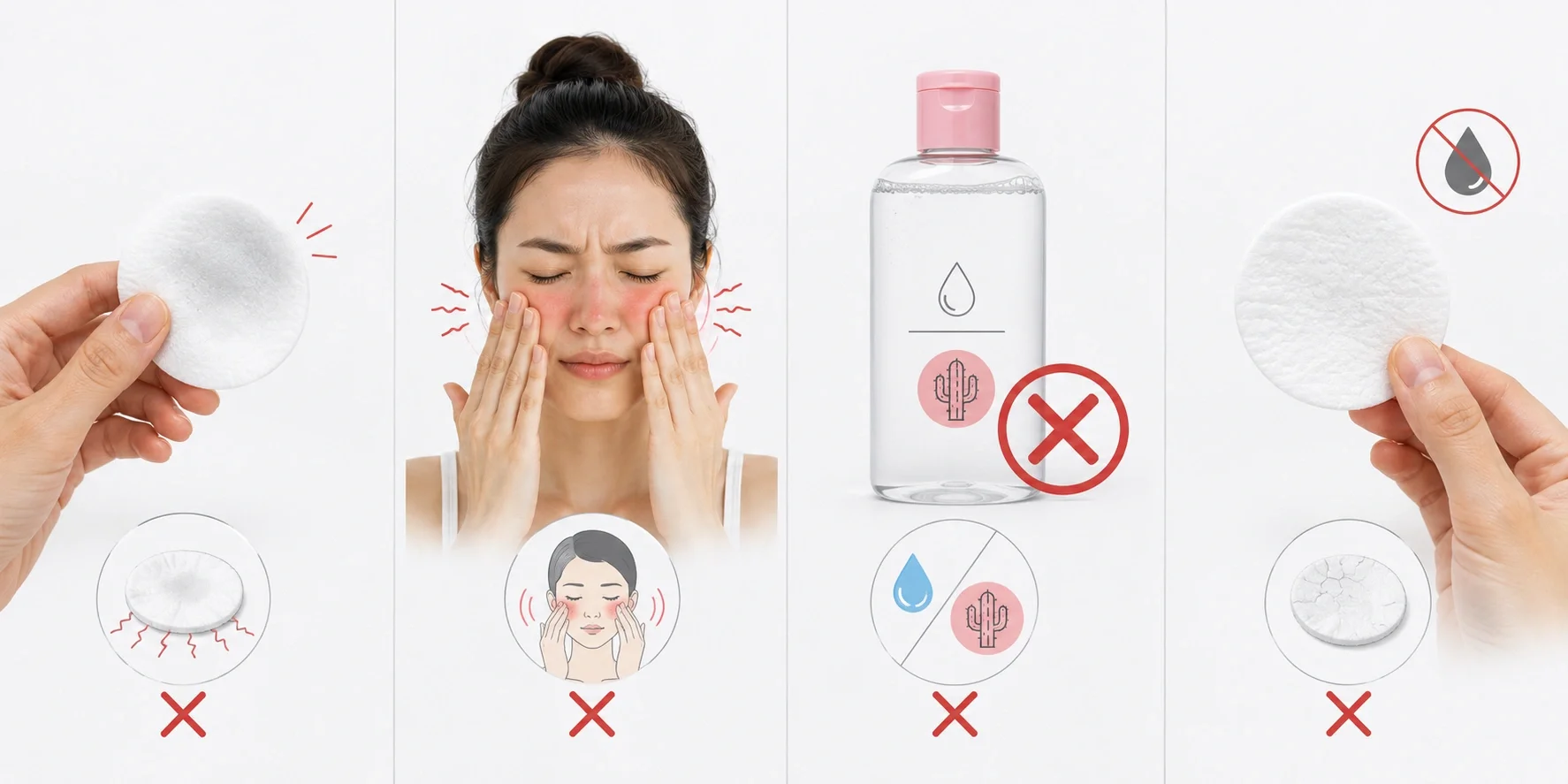
Even the best product won't deliver results if used incorrectly. Here are the most common pitfalls to watch out for:
1. Using Too Little Product: Skimping on micellar water means your cotton pad creates friction against your skin. This can lead to redness, irritation, and even micro-tears over time. Always saturate the pad generously—it should feel damp, not barely moist.
2. Rubbing Aggressively: Micellar water works by dissolving impurities, not by physical scrubbing. Aggressive rubbing can damage your skin barrier and accelerate the formation of fine lines, especially around the delicate eye area. Let the micelles do the work for you.
3. Skipping the Second Cleanse: While micellar water is an excellent first step, it may not remove all residue—especially if you wear heavy foundation or waterproof sunscreen. Following with a gentle face wash ensures a truly deep clean without compromising your skin barrier.
4. Using on Dry Skin Without Moisturizing: Even the most hydrating micellar water isn't a substitute for your moisturizer. Always apply your day cream or night cream after cleansing to lock in hydration.
5. Choosing the Wrong Formula: Using a mattifying micellar water on dry skin (or vice versa) can lead to imbalance. Always match your formula to your skin type using the guide above.
Micellar Water vs. Other Cleansers
Wondering how micellar water stacks up against other popular cleansing options? Here's a quick comparison to help you decide when to reach for each:
| Cleanser Type | Best For | Key Difference |
|---|---|---|
| Micellar Water | Gentle daily cleansing, makeup removal, sensitive skin, travel | No-rinse, lightweight, minimal barrier disruption |
| Oil Cleanser | Heavy makeup, waterproof products, double cleansing | Requires emulsification and rinsing; deeper pore cleansing |
| Foaming Cleanser | Oily skin, post-gym, deep pore cleansing | Creates lather; can be drying if surfactants are too harsh |
| Cleansing Balm | Dry skin, heavy makeup, pampering routines | Rich texture melts makeup; requires thorough rinsing |
Many skincare enthusiasts incorporate both micellar water and another cleanser into their routines. For example, you might use micellar water in the morning when your skin doesn't need a deep clean, and a cleansing oil followed by foam at night for thorough makeup removal. The key is listening to your skin and adjusting based on how it feels.