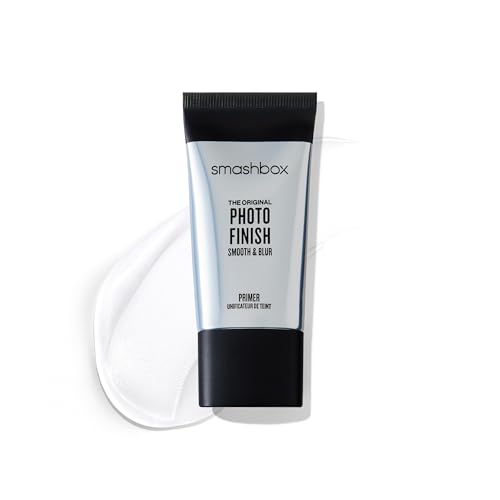
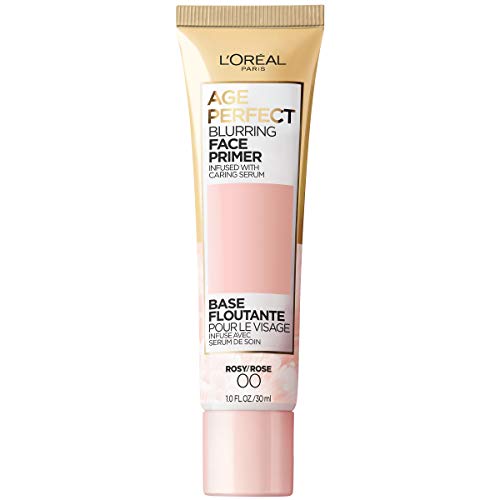
Face Primer Guide: The Secret to Flawless Makeup
Learn how to choose the right primer for your skin, apply it correctly, and extend the wear of your makeup.
A face primer is the essential first step in any makeup routine. It creates a smooth canvas, minimizes pores, and helps your foundation stay put all day. Whether you have oily skin, dry patches, or redness, the right primer can transform your look. In this guide, we'll cover everything you need to know — from types and ingredients to application tips and the best products for every skin concern.
What Is Face Primer & Why Use It?
Face primer is a gel, cream, or serum applied after skincare and before foundation. Its main job is to prep the skin, creating an even surface for makeup. It can also address specific skin issues: blurring pores, controlling oil, adding hydration, or neutralizing redness. Using a primer can make your makeup last longer, look fresher, and prevent caking or settling into fine lines.
Types of Face Primer (By Skin Concern)
🔹 Pore-Filling & Smoothing
Contains silicones (like dimethicone) to blur pores and fine lines. Ideal for textured skin. Works well with setting powder to lock in a matte finish.
💧 Hydrating & Glowy
Formulated with hyaluronic acid, glycerin, or aloe vera. Gives a dewy, radiant finish. Perfect for dry or mature skin. Often used with face serum for extra moisture.
🎯 Color-Correcting
Green (neutralizes redness), peach (brightens dark circles), lavender (counteracts sallowness), or yellow (hides purple/blue tones).
🧴 Mattifying & Oil-Control
Absorbs excess sebum, reduces shine. Often contains salicylic acid or niacinamide. Great for oily or acne-prone skin.
How to Apply Face Primer Correctly
- Start with clean, moisturized skin: Always apply primer after your face wash and moisturizer. Allow your skincare to absorb for 2–3 minutes.
- Use a pea-sized amount: A little goes a long way. Warm it between your fingers, then gently press or pat onto the T-zone and areas with visible pores.
- Focus on the center of your face: Cheeks, nose, and forehead are where makeup tends to fade first. Don’t forget the under-eye area if you use a specific eye primer.
- Wait 60 seconds: Let the primer set before applying foundation or BB cream. This ensures maximum adhesion.
- Layer strategically: If using a color-corrector, apply it only where needed, then follow with a smoothing primer all over.
Key Ingredients to Look For
🔬 Silicones (Dimethicone)
Create a silky, blurring effect. Great for pore-filling and smoothing texture.
💧 Hyaluronic Acid
Attracts moisture, plumps the skin, and prevents makeup from clinging to dry patches.
🌿 Niacinamide
Controls oil, reduces redness, and strengthens the skin barrier. Excellent for acne-prone skin.
🍃 Salicylic Acid
Unclogs pores and prevents breakouts. Ideal for oily or blemish-prone skin.
Pros and Cons of Using Face Primer
✅ PROS
- Makes makeup last significantly longer
- Blurs pores and fine lines
- Can address specific skin concerns (oil, dryness, redness)
- Improves foundation application and finish
- Protects skin from makeup clogging (when non-comedogenic)
❌ CONS
- Adds an extra step (and time) to your routine
- Some formulas may cause breakouts if not suited for your skin type
- Can pill if layered with incompatible skincare
- Quality primers can be pricey
Common Primer Mistakes to Avoid
- Using too much: Overloading your skin can cause pilling and a heavy feel.
- Skipping sunscreen: Primer is not a substitute for SPF. Always apply sunscreen first.
- Not matching primer to foundation base: Use water-based primer with water-based foundation, silicone with silicone.
- Rubbing instead of patting: Patting helps the primer sink into pores for better blurring.
Price Range & What to Expect
Face primers vary widely in price. Drugstore primers often range from $8–$20, while premium and luxury primers can cost $30–$70+. The price often reflects the quality of ingredients, brand reputation, and additional skincare benefits (like SPF or anti-aging actives). For most users, a mid-range primer (around $20–$40) offers excellent performance without breaking the bank.
Which Primer Is Right for You?
- Oily skin: Look for “mattifying” or “oil-control” with niacinamide or salicylic acid.
- Dry skin: Opt for “hydrating,” “glowy,” or “dewy” with hyaluronic acid or squalane.
- Mature skin: Choose a smoothing primer with peptides or vitamin C for brightness.
- Sensitive skin: Mineral-based primers with calming ingredients like green tea or aloe vera.
Remember, the best primer for you depends on your skin type, your foundation formula, and the finish you want. Don't be afraid to experiment with samples before committing to a full-size product.
For a complete routine, explore our guides on face wash, face serum, and sunscreen. If you're looking to perfect your base, also read about foundation and setting powder to lock everything in.