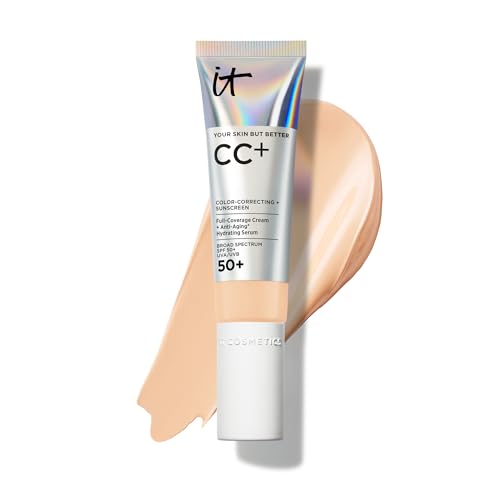
Foundation Makeup for Sensitive Skin: A Complete Guide
Learn how to choose gentle, non-irritating foundations that deliver flawless coverage without triggering redness, breakouts, or discomfort. Your skin deserves both safety and beauty.
EXPLORE TOP PICKSWhy sensitive skin needs special foundation: Sensitive skin reacts to ingredients that most people tolerate without issue. Fragrance, alcohol, preservatives, and certain pigments can cause stinging, redness, or breakouts within hours of application. The right foundation should provide coverage without compromising your skin barrier — and this guide will help you find exactly that.
What Makes Foundation Safe for Sensitive Skin?
Not all foundations labeled "gentle" are created equal. True sensitive-skin foundations share specific characteristics that minimize the risk of irritation. Understanding these factors helps you read ingredient labels with confidence and avoid products that may look safe but contain hidden triggers.
The first rule is fragrance-free, not just "unscented." Unscented products may contain masking fragrances that still irritate reactive skin. Second, look for minimal ingredient lists — fewer ingredients means fewer opportunities for a reaction. Third, prioritize hypoallergenic formulas that have been tested on sensitive skin and are free from common allergens like parabens, sulfates, and phthalates. If you are building a complete routine, pair your foundation with a facial cleanser for sensitive skin and a face cream for sensitive skin to maintain a calm, balanced complexion.
Ingredients to Avoid
- Fragrance and parfum
- Alcohol denat and ethanol
- Essential oils (lavender, citrus, peppermint)
- Parabens and phthalates
- Sulfates (SLS, SLES)
- Chemical sunscreen filters (oxybenzone, octinoxate)
- Dyes and synthetic pigments (FD&C colors)
Ingredients to Look For
- Mineral pigments (zinc oxide, titanium dioxide)
- Niacinamide (calms redness)
- Ceramides (supports skin barrier)
- Hyaluronic acid (hydration without irritation)
- Green tea extract (antioxidant, soothing)
- Allantoin and bisabolol (anti-inflammatory)
- Squalane (lightweight, non-comedogenic)
Types of Foundation for Sensitive Skin
Sensitive skin does not have to settle for one formula type. Several foundation formats work well for reactive skin, each with distinct advantages. The best choice depends on your coverage needs, skin type (dry, oily, or combination), and lifestyle.
Mineral Powder Foundation
Mineral foundations made from zinc oxide and titanium dioxide are naturally inert and unlikely to trigger reactions. They offer buildable light-to-medium coverage and are ideal for oily or acne-prone sensitive skin. Loose mineral powders are particularly gentle because they contain few ingredients and no water, which means no preservatives are needed. Apply with a powder brush for a seamless finish.
Hypoallergenic Liquid Foundation
Modern hypoallergenic liquids have come a long way. Formulated without fragrance, alcohol, and common allergens, these foundations provide natural-looking coverage with a comfortable, breathable feel. They suit most sensitive skin types, including combination and normal skin. Look for formulas that are non-comedogenic and dermatologist-tested. A foundation brush or damp beauty blender helps apply these evenly without tugging.
Barrier-Repair Foundation with Skincare Benefits
Premium sensitive-skin foundations often include ceramides, niacinamide, and peptides that support the skin barrier while providing coverage. These formulas are ideal for mature sensitive skin or skin recovering from irritation. They tend to offer light-to-medium coverage with a satin or natural finish and are frequently recommended by dermatologists. Pair with a face primer to extend wear and create a protective base.
Fragrance-Free Tinted Moisturizer
For very reactive skin, a fragrance-free tinted moisturizer offers the gentlest introduction to complexion makeup. These lightweight formulas provide sheer coverage and often include soothing ingredients like aloe or green tea. They are excellent for dry sensitive skin and for days when you want minimal makeup. If you need more coverage, layer a small amount of concealer only where needed.
Pro Tip: Always patch-test a new foundation on your jawline for 24 to 48 hours before applying it to your full face. Apply a small amount to a clean area and monitor for redness, itching, or swelling. This simple step can save you from a full-face reaction.
How to Apply Foundation on Sensitive Skin
Application technique matters as much as the product itself. Harsh rubbing, repeated blending, and heavy layers can all irritate sensitive skin — even with a gentle formula. Follow these steps to minimize friction and maximize comfort.
Application Checklist for Reactive Skin
- Start with a calm, clean base. Use a gentle cleanser and wait a few minutes for your skin to settle before applying makeup. Avoid exfoliating on the same day you wear foundation.
- Apply a barrier-supporting moisturizer. A moisturizer for dry sensitive skin creates a buffer between your skin and the foundation, reducing direct contact with pigments and preservatives.
- Use a damp sponge or soft brush. A beauty blender or a foundation brush distributes product evenly with minimal friction. Avoid using fingers, which can tug and introduce bacteria.
- Build in thin layers. Apply a small amount at a time and press — do not rub — the product into the skin. Let each layer set before adding more.
- Set only where needed. If you have oily sensitive skin, set your T-zone with a light dusting of setting powder. Dry sensitive skin may not need powder at all.
- Remove thoroughly at night. Use a gentle cleanser or micellar water to remove every trace of makeup before bed. Leaving foundation on overnight can clog pores and trigger irritation.
Common Mistakes to Avoid
Even with the right foundation, certain habits can undermine your skin's comfort. Here are the most common mistakes people with sensitive skin make — and how to fix them.
Layering too many products. Primer, color corrector, foundation, concealer, and setting spray create multiple chances for irritation. Simplify your routine and use only what you truly need. Using expired products. Foundation past its expiration date can harbor bacteria and break down into irritating byproducts. Check the PAO (period after opening) symbol on the packaging. Skipping sunscreen. Sensitive skin is often more vulnerable to UV damage. Choose a sunscreen formulated for sensitive skin and apply it daily beneath your foundation. Ignoring your skin's signals. If your skin stings, itches, or turns red after applying foundation, remove it immediately and discontinue use. Persistent reactions may require a visit to a dermatologist.
Frequently Asked Questions
Sensitive skin should avoid foundations containing fragrance, alcohol denat, essential oils, parabens, sulfates, and certain chemical sunscreen filters. These ingredients can trigger redness, stinging, or breakouts. Look for fragrance-free, hypoallergenic formulas with minimal ingredient lists.
Perform a patch test on your jawline or inner forearm for 24 to 48 hours before applying foundation to your full face. Apply a small amount and monitor for redness, itching, or swelling. If no reaction occurs, the product is likely safe for your skin.
A light to medium coverage foundation with a natural or satin finish is generally best for sensitive skin. Heavy, matte formulas can feel occlusive and may trap heat, while very dewy formulas can contain irritating ingredients. Natural finishes tend to be the most comfortable and least reactive.
Yes, but with caution. Choose full-coverage foundations specifically formulated for sensitive or reactive skin, and avoid layering too many products underneath. Build coverage gradually with a damp makeup sponge rather than applying thick layers, which can suffocate the skin.
Final Thoughts
Foundation makeup for sensitive skin does not have to be a compromise. By choosing fragrance-free, hypoallergenic formulas, patch-testing diligently, and applying with gentle techniques, you can enjoy flawless coverage without irritation. Remember to keep your skincare routine simple and supportive — a healthy skin barrier is the best base for any foundation. If you are also looking for eye makeup that won't irritate, explore our guide to mascara for sensitive eyes to complete your low-irritation makeup routine.
Remember: Your skin is unique. What works for someone else may not work for you. Start with a minimal routine, introduce new products one at a time, and always prioritize your skin's health over coverage. If you experience persistent irritation, consult a dermatologist for personalized advice.