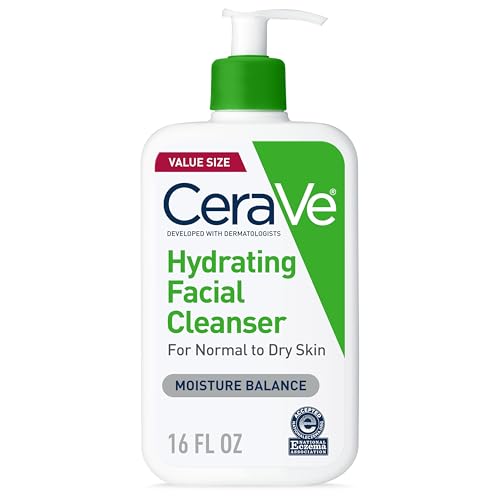
If your skin reacts to almost everything—turning red after washing, feeling tight and itchy, or stinging when you apply even basic products—you are not alone. Sensitive skin is one of the most common concerns we hear about, and the single most frequent trigger is the wrong cleanser. The right facial cleanser for sensitive skin can be the difference between a calm, comfortable complexion and a daily cycle of irritation. This guide walks you through exactly what to look for, what to avoid, and how to build a cleansing routine that supports your skin barrier instead of stripping it.
Unlike other skincare steps, cleansing happens every single day, often twice. That repetition means even a small amount of irritation compounds over time. Choosing a gentle formula is therefore the highest-leverage change most sensitive skin types can make. If you are still building your full routine, our getting started guide is a helpful companion to this article.
Why Sensitive Skin Needs a Different Cleanser
Sensitive skin is not a single skin type—it is a condition that can affect oily, dry, combination, and normal skin alike. What these skin types share is a compromised or easily triggered skin barrier. The outermost layer of skin, the stratum corneum, works like a brick-and-mortar wall: skin cells are the bricks, and lipids such as ceramides and fatty acids are the mortar. When that barrier is weakened, water escapes and irritants get in. The result is redness, tightness, stinging, flaking, and reactivity.
A harsh cleanser damages this barrier in two ways. First, it strips away natural oils and beneficial lipids, leaving skin unprotected. Second, strong surfactants can bind to skin proteins and disrupt the barrier directly. For sensitive skin, the goal of cleansing is not "squeaky clean"—it is to remove dirt, excess oil, sweat, and sunscreen while leaving the barrier intact. That is why a dedicated gentle face cleanser is non-negotiable rather than a nice-to-have.
Sensitive skin also frequently overlaps with other conditions. If your skin is dry and reactive, our guide to face cream for sensitive skin pairs naturally with this cleanser advice. If oiliness is your main concern alongside sensitivity, see our breakdown of gentle face wash for oily skin.
Ingredients to Look For and Avoid
The ingredient list is where a cleanser either earns your trust or loses it. For sensitive skin, simplicity is a virtue. Fewer ingredients generally means fewer opportunities for irritation, though a well-formulated multi-ingredient product can still be excellent.
Ingredients that support sensitive skin
- Mild surfactants: Look for gentle cleansing agents such as cocamidopropyl betaine, sodium cocoyl isethionate, coco-glucoside, and decyl glucoside. These cleanse effectively without aggressively stripping lipids.
- Ceramides and cholesterol: Barrier-replenishing lipids that help rebuild the skin's protective mortar.
- Glycerin: A humectant that draws water into the skin and reduces the tight feeling after cleansing.
- Panthenol (provitamin B5) and allantoin: Soothing agents that calm visible redness and support comfort.
- Oat extract and colloidal oatmeal: Well-studied soothing ingredients that help reduce itch and irritation.
- Hyaluronic acid: A gentle hydrator that helps skin retain moisture during and after cleansing.
Ingredients to avoid or minimize
- Synthetic fragrance and essential oils: Among the most common causes of contact irritation and allergic reactions. Fragrance-free is safer than "natural fragrance."
- Sulfates (SLS and SLES): Strong surfactants that can strip the barrier and cause tightness and stinging.
- Alcohol denat: Can be drying and irritating, especially in a leave-on or frequent-use product.
- Harsh physical exfoliants: Walnut shells, coarse sugar, and aggressive beads can create micro-tears. Save exfoliation for a separate, gentle step—see our gentle exfoliator for dry skin guide.
- High concentrations of active acids: A daily cleanser is not the place for strong AHAs or BHAs if your skin is reactive.
- Certain preservatives: Some sensitive skin types react to specific preservatives; if you notice consistent reactions, a patch test and ingredient journal help identify culprits.
If you prefer products built around natural ingredients, our overview of natural skin remedies and herbal skincare can help you evaluate botanical formulas—but keep in mind that "natural" does not automatically mean "non-irritating."
Cleanser Formulas Compared
Texture matters as much as ingredients. The right format depends on your skin type, your climate, and how much makeup or sunscreen you wear. The table below compares the main cleanser formats using universal quality tiers rather than prices.
| Formula | Best For | Cleansing Power | Irritation Risk | Typical Market Tier |
|---|---|---|---|---|
| Cream / lotion cleanser | Very dry, reactive, mature skin | Low to moderate | Lowest | Entry-level to premium |
| Milk cleanser | Dry and sensitive skin, morning cleanse | Low | Very low | Entry-level to mid-range |
| Gel cleanser | Combination and oily sensitive skin | Moderate | Low to moderate | Entry-level to premium |
| Foaming cleanser | Oily sensitive skin, humid climates | Moderate to high | Moderate | Entry-level to mid-range |
| Micellar water | Makeup removal, travel, no-rinse cleansing | Moderate (first step) | Low when rinsed or wiped gently | Entry-level to premium |
| Cleansing balm / oil | Removing sunscreen and makeup, double cleansing | High (oil-soluble) | Low if emulsifiers are gentle | Mid-range to luxury |
A practical approach for sensitive skin is to use a cream or milk cleanser in the morning and a gentle gel or balm-to-milk formula at night to remove sunscreen and makeup. If you wear heavy sunscreen or long-wear makeup, a two-step routine—an oil or balm first, then a gentle water-based cleanser—reduces the need to scrub. Pair this with a facial cleansing brush only if your skin tolerates it, and always on the lowest setting.
How to Build a Gentle Cleansing Routine
A cleanser only performs as well as the routine around it. The following sequence is a reliable starting point for most sensitive skin types.
Step 1: Wash your hands
It sounds obvious, but clean hands prevent transferring bacteria and irritants to your face. Use lukewarm water—hot water strips oils and cold water does not dissolve them efficiently.
Step 2: Use the right amount
More product does not mean cleaner skin. A pea-sized amount of a concentrated cream cleanser, or a coin-sized amount of a lighter gel, is usually enough. Massage gently with fingertips in soft circular motions for 30 to 60 seconds. Skip washcloths, sponges, and rough exfoliating mitts unless they are freshly cleaned and very soft.
Step 3: Rinse thoroughly—or wipe gently
Residue left behind can cause irritation over time. Rinse with lukewarm water until the water runs clear. If you use micellar water, press a soft cotton pad gently against the skin rather than dragging it. Never rub aggressively around the eyes.
Step 4: Pat dry and moisturize immediately
Pat your face dry with a clean, soft towel—do not rub. Apply moisturizer within a minute or two while skin is still slightly damp to lock in hydration. For dry and reactive skin, a richer formula such as our recommended face moisturizer for dry sensitive skin helps reinforce the barrier. If your skin leans oily but still sensitive, see the face moisturizer for oily skin guide.
Step 5: Support the barrier over time
Cleansing is only one part of barrier care. Consider a soothing face toner for dry skin after cleansing, and a weekly face mask skin care session with a hydrating, fragrance-free formula. For an at-home treatment that does not require scrubbing, a facial steamer can soften the skin before cleansing, though keep sessions short and avoid if you have rosacea or visible redness.
Common Cleansing Mistakes to Stop
- Cleansing too often: Twice daily is enough for most people. Over-washing removes protective oils and triggers rebound oiliness and irritation.
- Using hot water: It feels soothing in the moment but strips lipids and increases redness. Lukewarm is the target.
- Scrubbing to remove makeup: Repeated friction causes micro-irritation. Double cleanse gently instead of scrubbing harder.
- Ignoring the hairline and jaw: Cleanser residue here is a common cause of localized breakouts and itch.
- Chasing the "squeaky clean" feeling: That tight sensation is a sign of barrier damage, not effectiveness.
- Switching products too quickly: Sensitive skin needs time to adapt. Give a new cleanser at least two to three weeks before judging it.
- Skipping sunscreen because skin is sensitive: Sun damage worsens sensitivity over time. Choose a mineral or fragrance-free formula—our body sunscreen and sun protection guides explain the options.
If your skin remains reactive despite a gentle routine, it is worth reviewing other products in your regimen, such as foundation or eye makeup. A foundation makeup for sensitive skin and eye mascara for sensitive eyes can both reduce daily irritation. For a broader reset, our minimalist skincare approach—fewer products, each with a clear purpose—often helps sensitive skin calm down.
Frequently Asked Questions
-
What ingredients should I avoid in a facial cleanser for sensitive skin?Avoid synthetic fragrance, essential oils, sulfates such as SLS and SLES, alcohol denat, and harsh physical exfoliants. These can compromise the skin barrier and trigger redness, stinging, or dryness. Look instead for mild surfactants, glycerin, ceramides, and soothing agents like panthenol and oat extract.
-
How often should sensitive skin be cleansed?Most sensitive skin types do well with cleansing twice daily—morning and evening. If your skin feels tight or reactive, a plain lukewarm water rinse in the morning followed by a gentle cleanser at night may be enough. Adjust based on how your skin feels rather than a rigid rule.
-
Is a foaming cleanser suitable for sensitive skin?Yes, provided the formula uses mild surfactants and is free from fragrance and drying alcohols. That said, cream and lotion cleansers are generally the safest starting point for very reactive skin, while gentle gel or low-foam formulas suit those who prefer a fresher finish.
-
Can a facial cleanser cause breakouts on sensitive skin?Indirectly, yes. A cleanser that strips the barrier can trigger irritation that looks like or worsens breakouts. Choose non-comedogenic, fragrance-free formulas and patch-test new products. If breakouts persist, review your moisturizer and sunscreen as well.
-
Should I double cleanse if I have sensitive skin?Double cleansing is helpful if you wear sunscreen or long-wear makeup daily, but it should be gentle. Use an oil or balm first to dissolve makeup, then a mild water-based cleanser. If your skin feels stripped afterward, simplify to a single gentle cleanse and remove makeup with a soft micellar wipe.
-
How long does it take for sensitive skin to adjust to a new cleanser?Give a new cleanser two to three weeks of consistent use before evaluating. Sensitive skin often needs time to settle, and reactions in the first few days may reflect the previous product rather than the new one. Stop immediately if you experience persistent burning or swelling.
The Bottom Line
The best facial cleanser for sensitive skin is not the most expensive or the most elaborately formulated—it is the one that cleanses effectively while leaving your barrier intact. Prioritize fragrance-free formulas with mild surfactants, avoid known irritants, cleanse gently twice a day, and always follow with moisturizer. If you want to explore related products that support sensitive skin, browse our beauty tools section for gentle application accessories, and consider our guides to clean beauty and non-toxic skincare for a broader ingredient philosophy.
For anything beyond mild irritation—persistent redness, swelling, or discomfort—consult a dermatologist. This guide is educational and does not replace professional medical advice. You can also read our full disclaimer and affiliate disclosure for more details.