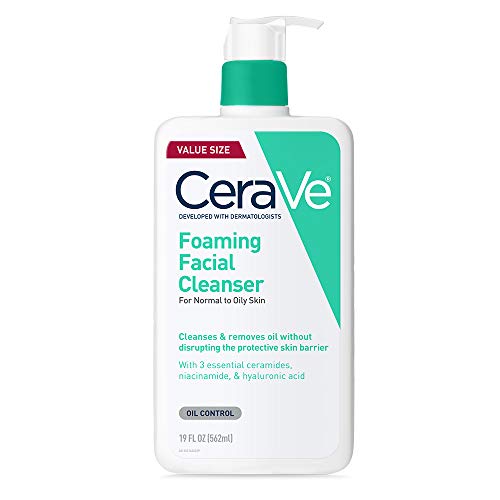
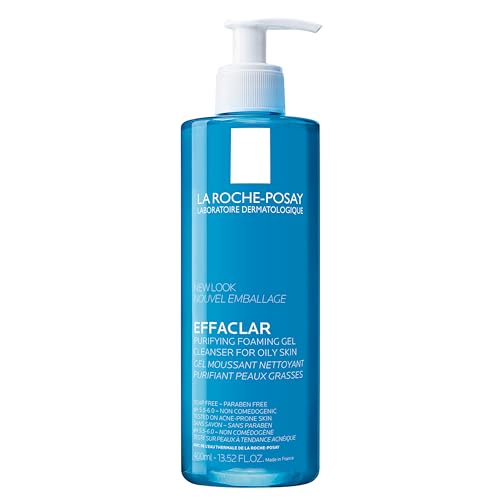
Gentle Face Wash for Oily Skin: Cleanse Without Stripping
Learn how to choose a gentle cleanser that controls excess oil, respects your skin barrier, and keeps your complexion calm, clear, and comfortable.
Explore Recommended CleansersWhy this guide matters: Oily skin does not need aggressive cleansing—it needs smart cleansing. Many people with oily skin over-wash with harsh foaming cleansers, which can strip the skin barrier and trigger even more oil production. This guide explains how a gentle face wash can actually help balance oily skin, what ingredients to look for, and how to build a routine that supports long-term clarity.
Understanding Oily Skin and Why Gentleness Matters
Oily skin is characterized by overactive sebaceous glands, which produce excess sebum. While sebum is essential for healthy skin, too much of it can lead to a shiny complexion, enlarged pores, and a higher likelihood of clogged pores and breakouts. The instinct to "dry out" oily skin with strong cleansers is understandable, but it often backfires. Harsh surfactants and high-foaming formulas can strip the skin of its natural lipids, compromising the skin barrier. When the barrier is compromised, the skin may respond by producing even more oil to compensate.
A gentle face cleanser takes a different approach. Instead of aggressively removing every trace of oil, it removes excess sebum, sweat, and impurities while preserving the skin's natural moisture balance. This helps maintain a healthy skin barrier, which is essential for reducing irritation and supporting a clearer, more balanced complexion over time.
What Makes a Face Wash "Gentle" for Oily Skin?
Gentleness in a cleanser is not about weak cleansing—it is about how the formula interacts with the skin. Several factors contribute to a gentle formula:
- Mild surfactants: Ingredients like coco-glucoside, sodium cocoyl isethionate, and sodium lauroyl sarcosinate are milder than harsh sulfates (e.g., sodium lauryl sulfate) and help cleanse without over-stripping.
- Balanced pH: Cleansers with a pH close to the skin's natural pH (around 4.5–5.5) help preserve the acid mantle and reduce irritation.
- Soothing and hydrating ingredients: Glycerin, niacinamide, aloe vera, green tea extract, and panthenol help calm the skin and support barrier function.
- No harsh alcohols or fragrances: These can be irritating, especially for sensitive or acne-prone oily skin.
- Non-comedogenic formulation: Avoid heavy oils and pore-clogging ingredients that can exacerbate congestion.
If you are unsure whether your skin is oily or sensitive, a facial cleanser for sensitive skin can be a helpful reference point for mild formulations that also suit oily skin types.
Key Ingredients to Look For
When shopping for a gentle face wash for oily skin, scan the ingredient list for these beneficial components:
Niacinamide
Helps regulate sebum production and supports the skin barrier, making it a favorite for oily and acne-prone skin.
Green Tea Extract
Antioxidant-rich and soothing; may help reduce excess oil and calm inflammation.
Glycerin
A humectant that attracts moisture to the skin, preventing the tight, dry feeling that can follow cleansing.
Aloe Vera
Soothing and hydrating; helps comfort skin without adding oiliness.
Salicylic Acid (low %)
A gentle exfoliant that can help keep pores clear, though sensitive skin should start with low concentrations or use it in a separate treatment step.
Panthenol (Pro-Vitamin B5)
Supports skin healing and hydration, reducing the risk of irritation after cleansing.
Ingredients to Avoid
For oily skin, certain ingredients can do more harm than good:
- High concentrations of sulfates (e.g., sodium lauryl sulfate): Can be overly stripping and irritating.
- Denatured alcohol: Can dry out the skin and disrupt the barrier.
- Heavy oils and butters (e.g., coconut oil, shea butter) in cleansers: May clog pores in oily skin.
- Artificial fragrances and dyes: Potential irritants, especially for sensitive skin.
- Overly abrasive scrubs: Physical exfoliants with large particles can cause micro-tears and irritation.
How to Build a Gentle Cleansing Routine for Oily Skin
A consistent routine is key. Here is a simple, effective approach:
- Morning cleanse: Use a gentle face wash to remove overnight oil and sweat. If your skin feels tight after cleansing, your cleanser may be too harsh.
- Evening cleanse: Remove sunscreen, makeup, and daily buildup. If you wear heavy makeup or sunscreen, consider a double cleanse starting with a cleansing oil or micellar water, followed by your gentle face wash.
- Exfoliate 1–2 times per week: Use a gentle exfoliator or a low-percentage salicylic acid treatment to keep pores clear without over-scrubbing.
- Moisturize: Even oily skin needs hydration. Choose a lightweight, oil-free face moisturizer for oily skin to maintain barrier function.
- Sun protection: Use a non-comedogenic sunscreen daily to protect against UV damage and post-inflammatory hyperpigmentation.
For a broader overview of skincare steps, refer to our getting started guide.
Common Mistakes to Avoid
- Over-washing: Cleansing more than twice a day can strip the skin and trigger rebound oiliness.
- Using hot water: Hot water can irritate and dry out the skin; lukewarm water is best.
- Scrubbing aggressively: Gentle pressure is enough to cleanse; harsh scrubbing can cause irritation.
- Skipping moisturizer: Oily skin still needs hydration; skipping moisturizer can lead to compensatory oil production.
- Not patch-testing: Always patch-test new products, especially if you have sensitive or acne-prone skin.
What to Look for in a Product
When selecting a gentle face wash for oily skin, consider the following criteria:
Formula Type
Gel or foaming cleansers are often preferred for oily skin, but ensure they use mild surfactants. Cream cleansers can also be gentle if they are non-comedogenic.
pH Level
Look for pH-balanced formulas (around 5.5) to support the skin barrier.
Added Actives
Niacinamide, green tea, or low-dose salicylic acid can be beneficial, but avoid high concentrations that may irritate.
Free From
Choose fragrance-free and alcohol-free options if your skin is sensitive.
Non-Comedogenic
Ensure the product is labeled non-comedogenic to avoid clogged pores.
Tier Considerations
Entry-level and mid-range gentle cleansers often use similar mild surfactants; premium options may include additional soothing actives or clinical testing.
Frequently Asked Questions
Yes. Harsh, stripping cleansers can trigger rebound oil production. A gentle face wash removes excess sebum and impurities without damaging the skin barrier, helping oily skin stay balanced and calm.
Most people with oily skin should cleanse twice daily—morning and evening. If you sweat heavily or exercise, a gentle rinse or a third cleanse with a mild formula may help, but avoid over-washing.
Look for mild surfactants like coco-glucoside or sodium cocoyl isethionate, plus soothing ingredients such as niacinamide, green tea, aloe, or glycerin. Avoid high concentrations of sulfates, alcohol, and fragrance if your skin is sensitive.
A gentle cleanser supports acne treatment by removing pore-clogging debris without irritating the skin. It is not a standalone acne cure, but it is an essential step in any acne-prone skincare routine.
No. Gentle refers to how the cleanser treats the skin barrier, not its cleansing power. Modern gentle formulas can effectively remove excess oil, sunscreen, and light makeup while maintaining skin comfort.
Ready to Find Your Gentle Cleanser?
Choosing the right gentle face wash for oily skin is a foundational step toward a balanced, comfortable complexion. Remember to patch-test new products and consult a dermatologist if you have persistent skin concerns. For more skincare guidance, explore our skincare section and our face toner for dry skin guide if you have combination skin.
See Recommended Products