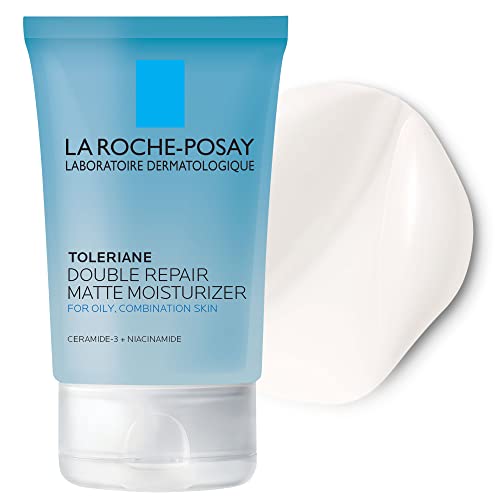
Face Moisturizer for Oily Skin: Complete Guide to Mattifying Hydration
Learn how to choose the right lightweight moisturizer that controls shine, hydrates deeply, and keeps your skin balanced throughout the day.
Last updated: October 19, 2026
Quick Summary: If you have oily skin, the right moisturizer is not optional—it is essential. This guide explains why oily skin still needs hydration, which ingredients and textures work best, and how to build a skincare routine that controls excess sebum without stripping your skin. Whether you are shopping for an entry-level gel, a mid-range mattifying cream, or a premium oil-free formula, this comprehensive breakdown helps you make an informed decision before you buy.
Why Oily Skin Still Needs a Moisturizer
One of the most common misconceptions in skincare is that oily skin does not need moisturizer. In reality, skipping moisturizer can make oily skin worse. When the skin is dehydrated, it compensates by producing even more sebum, which leads to an uncomfortable cycle of excess shine, clogged pores, and potential breakouts. A well-formulated moisturizer for oily skin maintains the skin barrier without adding heavy occlusive ingredients that trap oil.
The key is choosing a formula that balances water content with lightweight emollients and humectants. Moisturizers designed for oily skin typically feature gel or water-cream textures, oil-free formulations, and ingredients like niacinamide and hyaluronic acid that hydrate without contributing to greasiness. Understanding your skin type is the first step—our guide on face cream for sensitive skin can help you identify if your oily skin is also reactive or sensitive.
A proper moisturizer also supports the skin barrier, which protects against environmental aggressors and helps regulate oil production over time. When the barrier is healthy, sebum production tends to normalize. This is why dermatologists consistently recommend that oily skin types use a lightweight, non-comedogenic moisturizer twice daily rather than avoiding moisturizer altogether.
Understanding Your Oily Skin Type
Not all oily skin is the same. Identifying your specific oily skin sub-type helps you choose the most effective moisturizer and avoid products that trigger breakouts or irritation.
Oily but Dehydrated Skin
This is the most common presentation. The skin produces excess oil on the surface yet feels tight or flaky underneath. Dehydrated oily skin benefits from water-based moisturizers with humectants like glycerin, hyaluronic acid, and panthenol. Avoid alcohol-heavy toners and overly astringent products that strip the skin further. For a deeper look at balancing hydration, explore our guide on good moisturizer for combination skin, which shares many principles with dehydrated oily skin care.
Acne-Prone Oily Skin
If you experience frequent breakouts alongside excess oil, look for non-comedogenic moisturizers labeled as acne-safe. Ingredients like salicylic acid, niacinamide, and zinc can help manage both oil and blemishes. Pair your moisturizer with a gentle cleanser such as a gentle face wash for oily skin to avoid over-cleansing and triggering rebound oil production.
Sensitive Oily Skin
Oily skin can also be sensitive, reacting to fragrances, essential oils, and certain preservatives. Choose fragrance-free, minimalist formulas with soothing ingredients like centella asiatica or oat extract. Our article on facial cleanser for sensitive skin offers additional guidance on building a gentle routine for reactive skin.
Key Ingredients to Look For
Ingredient awareness is the most reliable way to evaluate a moisturizer for oily skin. The following ingredients are backed by skincare science and work well in lightweight formulations:
- Niacinamide: Helps regulate sebum production, minimizes pore appearance, and strengthens the skin barrier. It is one of the most versatile ingredients for oily skin.
- Hyaluronic Acid: A humectant that draws water into the skin without adding oil. Ideal for gel and water-cream moisturizers.
- Salicylic Acid: A beta hydroxy acid that penetrates pores and helps keep them clear. Often found in moisturizers designed for acne-prone oily skin.
- Glycerin: A classic humectant that hydrates without clogging pores. It is a staple in oil-free moisturizers.
- Zinc PCA: Helps control oil production and has mild antibacterial properties, making it useful for oily and acne-prone skin.
- Green Tea Extract: Provides antioxidant benefits and can help soothe inflammation. Learn more in our green tea skincare guide.
- Centella Asiatica: Calms redness and supports barrier repair, especially helpful for sensitive oily skin.
Conversely, avoid moisturizers with heavy occlusives like mineral oil, petrolatum, or shea butter as primary ingredients if your skin is very oily. These can create a seal that traps sebum and contributes to congestion.
Types of Moisturizers for Oily Skin
The texture and formulation of a moisturizer matter as much as its ingredients. Here is a breakdown of the most common types and who they suit best.
| Moisturizer Type | Texture | Best For | Market Tier |
|---|---|---|---|
| Gel Moisturizer | Lightweight, cooling, water-based | Very oily skin, hot climates, daytime use | Entry-Level to Mid-Range |
| Water Cream | Whipped, fast-absorbing, hydrating | Oily but dehydrated skin, combination skin | Mid-Range to Premium |
| Mattifying Lotion | Light lotion with oil-absorbing powders | Shine control throughout the day | Entry-Level to Mid-Range |
| Oil-Free Cream | Rich but non-greasy | Oily skin in dry or cold climates | Mid-Range to Premium |
| Moisturizer with SPF | Lotion or gel with sun protection | Morning routine, daily sun protection | Entry-Level to Premium |
Gel moisturizers are generally the safest starting point for very oily skin because they hydrate without leaving residue. Water creams offer a more luxurious experience and often include barrier-supporting ingredients. Mattifying lotions are practical for daytime wear, while oil-free creams provide slightly more nourishment for oily skin during colder months.
How to Build a Skincare Routine for Oily Skin
A moisturizer works best as part of a consistent routine. Here is a simple, effective framework for oily skin:
- Cleanse: Use a gentle, sulfate-free cleanser morning and evening. Avoid harsh scrubs that strip the skin. A facial cleansing brush can help with thorough cleansing once or twice a week.
- Tone (optional): Choose an alcohol-free toner that hydrates and balances pH. Our guide on face toner for dry skin explains how to select a toner that does not over-dry—a principle that applies to oily skin as well.
- Treat (optional): Serums with niacinamide or salicylic acid can target oil and blemishes. If you use a face serum, apply it before moisturizer.
- Moisturize: Apply a lightweight, oil-free moisturizer to damp skin. This is the step that seals in hydration and supports the barrier.
- Protect: In the morning, finish with a broad-spectrum sunscreen. Many moisturizers for oily skin include SPF, which simplifies your routine.
Consistency matters more than the number of products. A simple three-step routine—cleanse, moisturize, protect—is often enough for oily skin. Over-complicating your routine with too many active ingredients can irritate the skin and trigger more oil production. For a broader overview of routine building, see our haircare routine guide, which follows similar principles of consistency and ingredient awareness.
Essential Routine Checklist for Oily Skin
Cleanse gently → Hydrate with a lightweight moisturizer → Protect with SPF → Avoid over-washing → Patch test new products
Common Mistakes to Avoid
Even with the right moisturizer, certain habits can undermine your results. Here are the most common mistakes people with oily skin make:
- Over-cleansing: Washing your face more than twice a day strips the skin and triggers rebound oil production. Stick to morning and evening cleansing.
- Skipping moisturizer: As explained earlier, this can worsen oiliness. Always follow cleansing with a lightweight moisturizer.
- Using heavy, occlusive products: Rich creams and balms can clog pores and increase shine. Choose gel or water-cream textures instead.
- Ignoring sunscreen: UV exposure can damage the skin barrier and contribute to inflammation. Use a non-comedogenic sunscreen or a moisturizer with SPF.
- Not patch testing: Always patch test new products on a small area of skin before applying them to your full face, especially if you have sensitive or acne-prone skin.
If you are also dealing with dark circles or puffiness around the eyes, a dedicated eye serum for dark circles can complement your face moisturizer without adding heaviness to the T-zone.
Layering Moisturizer with Other Products
The order in which you apply skincare products affects how well they absorb. For oily skin, the general rule is to apply products from lightest to heaviest texture. A typical morning routine might include a gentle cleanser, a hydrating toner, a niacinamide serum, a lightweight moisturizer, and sunscreen. In the evening, you might replace sunscreen with a treatment serum and a slightly richer night moisturizer if your skin needs extra barrier support.
If you use a face primer for oily skin before makeup, apply it after moisturizer and before foundation. Primers designed for oily skin often contain mattifying ingredients that work synergistically with your moisturizer to control shine. Similarly, if you use a face mask once or twice a week, apply it after cleansing and before moisturizer to maximize hydration benefits.
Seasonal Adjustments for Oily Skin
Oily skin behaves differently depending on the season and climate. In hot, humid weather, you may find that a gel moisturizer alone provides sufficient hydration. In colder, drier months, you might need a slightly richer oil-free cream to maintain comfort without triggering excess oil. Pay attention to how your skin feels and adjust your moisturizer texture accordingly. Keeping a lighter gel for summer and a mid-weight water cream for winter is a practical strategy that many people with oily skin find effective.
Travel and air conditioning can also affect hydration levels. If you notice tightness or flaking, consider adding a hydrating face mask skin care treatment once a week to replenish moisture without overloading the skin.
Frequently Asked Questions
Related Guides
Explore more skincare guides to build a complete routine for oily and combination skin:
- Good Moisturizer for Dry Skin — Understand how moisturizer needs differ across skin types.
- Good Moisturizer for Combination Skin — Tips for skin that is oily in the T-zone and dry elsewhere.
- Gentle Face Wash for Oily Skin — Cleansers that remove excess oil without stripping.
- Face Primer for Oily Skin — Makeup primers that control shine and extend wear.
- Face Cream for Sensitive Skin — Formulations for reactive, easily irritated skin.
- Face Mask Skin Care — Weekly treatments to boost hydration and clarity.
- Minimalist Skincare — Simplify your routine without sacrificing results.