Good Moisturizer for Combination Skin: Your Complete Guide
Discover how to choose the perfect moisturizer that hydrates dry areas without overloading your oily T-zone. Expert tips, ingredient insights, and top product recommendations inside.
Why This Guide Matters: Combination skin is one of the most common and trickiest skin types to manage. You need a moisturizer that's light enough for your forehead and nose, yet rich enough for your cheeks and jawline. Let's break down exactly what to look for.
Understanding Combination Skin
Combination skin is characterized by an oily T-zone (forehead, nose, and chin) and dry or normal cheeks. This dual nature means your skincare routine needs to balance two different needs. Using the wrong moisturizer can either leave your T-zone greasy or your cheeks parched and flaky.
The key is to choose a product that hydrates effectively without clogging pores. Look for lightweight, non-comedogenic formulas that provide enough moisture for dry areas while controlling shine in the oily parts of your face.
Key Ingredients to Look For
When scanning ingredient lists for the best moisturizer for combination skin, focus on these power players:
- Hyaluronic Acid: A humectant that draws water into the skin without adding weight. Perfect for providing deep hydration to dry cheeks while being invisible on the T-zone.
- Niacinamide (Vitamin B3): Regulates oil production, strengthens the skin barrier, and reduces redness. It's a multitasker ideal for balancing combination skin.
- Ceramides: Help restore the skin barrier and lock in moisture, especially beneficial for the drier areas of your face.
- Glycerin: Another excellent humectant that hydrates without a heavy feel.
- Salicylic Acid: A BHA that helps clear pores in the T-zone. Can be found in low concentrations in moisturizers for a gentle exfoliating effect.
💡 Expert Tip
For combination skin, gel-cream hybrids are often the best of both worlds. They offer a lightweight gel texture that absorbs quickly, but include moisturizing creams for lasting hydration.
Learn more about specific ingredients and how they work in our skin care guides. For a deeper dive into targeted treatments, explore our articles on serums and face serums.
Ingredients to Avoid
Just as important as knowing what to include is knowing what to avoid:
- Heavy Oils (like Coconut Oil): Can clog pores and exacerbate breakouts in the T-zone.
- Alcohol (Denatured): Often found in products for oily skin, but it can over-dry your cheeks and disrupt your skin barrier.
- Artificial Fragrances: Can irritate sensitive areas of your combination skin.
- Silicones (Dimethicone): While they provide a smooth finish, they can build up on the skin and trap oil and dead skin cells, especially on the forehead and nose.
How to Apply Moisturizer for Combination Skin
Application technique is crucial for combination skin. Here's the best approach:
- Step 1: Double Cleanse - Start with a gentle oil cleanser followed by a water-based cleanser to remove makeup, SPF, and excess oil without stripping your skin. Explore our double cleansing guide.
- Step 2: Use a Lightweight Lotion - Apply your moisturizer to damp skin immediately after cleansing to lock in hydration.
- Step 3: Layer Wisely - Apply a thinner layer on your T-zone and a slightly thicker layer on your cheeks. You can also use a gel moisturizer all over and add a drop of facial oil to your cheeks for extra nourishment. See our face oil for dry skin recommendations.
- Step 4: Don't Forget SPF - Follow with a lightweight sunscreen to protect your skin from UV damage.
For a complete, step-by-step approach, check out our comprehensive skin care routine guide.
Top Moisturizers for Combination Skin
Based on expert reviews and user feedback, here are some of the best moisturizers tailored for combination skin. These products balance hydration with a lightweight feel to keep your skin comfortable all day.
CeraVe PM Facial Moisturizing Lotion
Lightweight gel-cream with niacinamide and ceramides. Non-comedogenic and fragrance-free.
$16–$20Neutrogena Hydro Boost Water Gel
Gel formula with hyaluronic acid. Absorbs instantly and leaves skin plump and fresh.
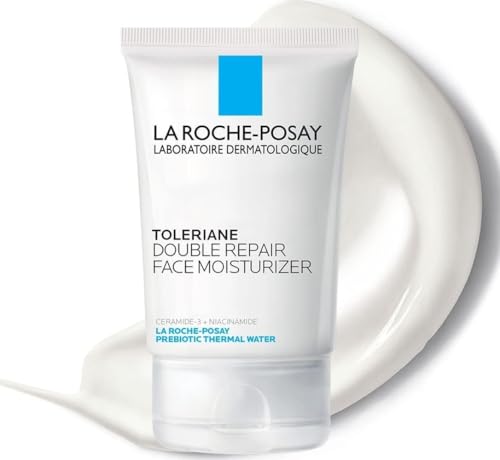
$18–$25La Roche-Posay Toleriane Double Repair
Oil-free moisturizer with ceramides and niacinamide. Soothes and balances skin.
$22–$28Clinique Dramatically Different Hydrating Jelly
Oil-free, gel texture with a blend of active ingredients to balance oily and dry areas.
$30–$38Seasonal Adjustments for Combination Skin
Your combination skin may behave differently depending on the weather. Here's how to adapt:
- Summer: Opt for a water-based gel or lotion. You might even skip moisturizer on your T-zone if it's very oily and use a mattifying serum instead.
- Winter: Switch to a slightly richer cream, but still apply a thin layer on your T-zone. Consider adding a hydrating essence or serum underneath for extra moisture. Our dry skin guide offers more insights.
- Humid Climates: A lightweight gel moisturizer is your best bet. Avoid heavy creams.
- Dry Climates: You may need a more emollient cream, especially on your cheeks.
Frequently Asked Questions
Can I use the same moisturizer on my whole face?
Yes, but choose a gel-cream or lightweight lotion designed for combination skin. If you experience severe dryness on your cheeks, you can apply an extra layer there.
How often should I moisturize?
Ideally, twice a day: morning and night. If your skin feels particularly dry during the day, you can reapply a light layer.
Can I use face oil with combination skin?
Yes, but use it sparingly and only on the dry areas of your face. Jojoba oil or squalane are good options. Learn more about carrier oils.
Conclusion: Your Path to Balanced Skin
Finding a good moisturizer for combination skin is all about balance. It's not about over-complicating your routine, but rather choosing the right products and applying them with intention. Start with a lightweight, non-comedogenic moisturizer and adjust as your skin responds.
Remember, consistency is key. Stick with a product for at least 4–6 weeks to see its full effects. You can also explore more moisturizer guides or dive into other topics like oily skin care or sensitive skin care for additional support. If you need more personalized advice, feel free to contact us.