Korean Skincare Routine: Your Complete Step-by-Step Guide
Discover the secrets behind glowing, glass-like skin with the famous Korean skincare routine. Learn each step, the science behind K-beauty, and how to build a routine that works for your skin type.
START THE ROUTINEWhy Korean Skincare? The Korean skincare philosophy focuses on prevention, gentle care, and building a strong skin barrier through hydration and nourishment. Instead of harsh treatments, K-beauty emphasizes consistency, layering lightweight products, and protecting your skin daily. Whether you're dealing with dryness, oiliness, or sensitivity, this guide will help you understand how to adapt the routine to your unique skin.
The Korean Skincare Routine Explained
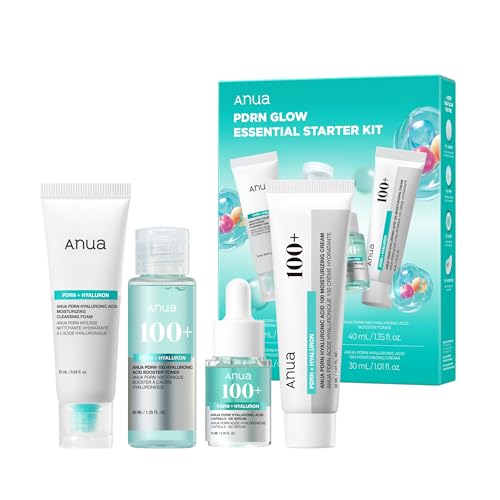
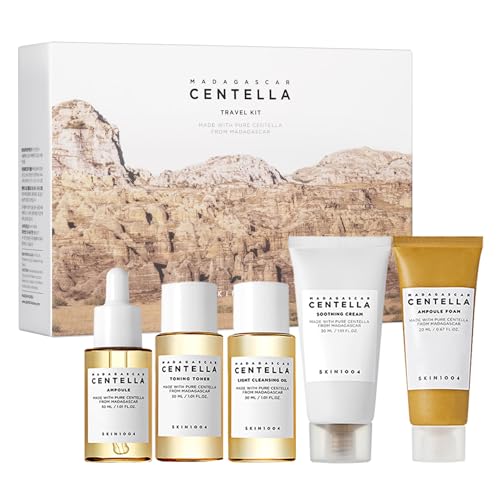
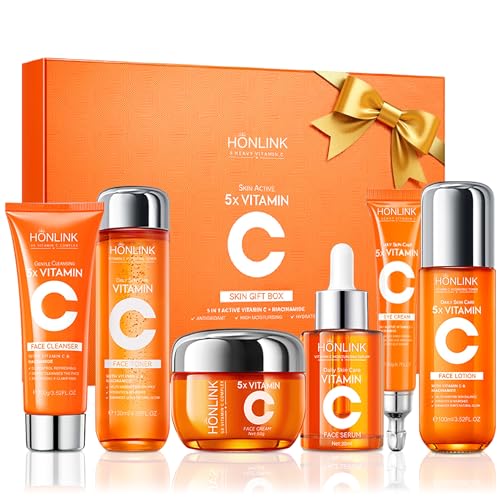
The Korean skincare routine is a layered, multi-step approach designed to hydrate, protect, and rejuvenate your skin. Unlike Western routines that often focus on a single treatment, K-beauty builds layers of lightweight products that work together. The traditional 10-step routine can be simplified to 4–5 core steps depending on your needs. The key is consistency and choosing the right products for your skin type. If you're new to K-beauty, explore our K-beauty guide and K-beauty box recommendations to get started.
💡 Pro Tip: You don't need all 10 steps every day. Start with cleansing, moisturizing, and sunscreen—the three non-negotiables. Add essences, serums, and treatments gradually as your skin adjusts.
- Oil-Based Cleanser (First Cleanse) This step removes makeup, sunscreen, and oil-based impurities. Use a gentle oil cleanser and massage it onto dry skin for about 60 seconds, then emulsify with water and rinse. This is the foundation of the Korean double cleanse method.
- Water-Based Cleanser (Second Cleanse) Follow with a gentle water-based cleanser to remove sweat, dirt, and any remaining residue. Look for a low-pH formula that won't strip your skin. If you have dry skin, consider a hydrating cleanser for dry skin.
- Exfoliator (1–3 Times a Week) Gentle exfoliation removes dead skin cells and keeps pores clear. Korean exfoliants often use fruit enzymes or soft beads. Avoid over-exfoliating—2–3 times per week is sufficient for most skin types.
- Toner Korean toners are hydrating and prep the skin for the next steps. Apply a few drops and gently pat into your skin. If you have sensitive skin, try a Korean toner for sensitive skin, or a hydrating toner for dry skin.
- Essence Essences are lightweight, hydrating liquids that boost moisture and improve skin texture. They're a signature step in K-beauty—pat a few drops into your skin until absorbed.
- Serum or Ampoule This is a concentrated treatment targeting specific concerns like brightening, acne, or aging. Explore our Korean skincare serum guide to find the right one for you.
- Sheet Mask (2–3 Times a Week) Sheet masks deliver intense hydration and nutrients. Leave on for 10–20 minutes, then pat the remaining essence into your skin. Try a Korean facial mask for an extra boost.
- Eye Cream The delicate eye area needs extra care. Apply a small amount of eye cream around the orbital bone to hydrate and protect against fine lines.
- Moisturizer Lock in all the hydration with a moisturizer suited to your skin type. Dry skin benefits from a Korean moisturizer for dry skin, while sensitive skin can try a Korean moisturizer for sensitive skin.
- Sunscreen (Morning Routine Only) The most important anti-aging step! Apply a broad-spectrum SPF of 30 or higher every morning. Korean sunscreens are known for their lightweight, elegant textures. For oily skin, try a lightweight sunscreen.
Core Steps vs. Optional Extras
Not every step is mandatory. The core pillars of a Korean skincare routine are cleansing, moisturizing, and sun protection. Here's a breakdown of which steps are essential and which are optional add-ons based on your skin concerns.
Beginner Routine (4 Steps)
Cleanser → Moisturizer → Sunscreen (AM) + Toner (optional). Perfect for those new to skincare who want a simple, effective routine without overwhelming their skin.
Intermediate Routine (7 Steps)
Oil Cleanser → Water Cleanser → Toner → Essence → Serum → Moisturizer → Sunscreen. Adds targeted treatments for hydration, brightening, or anti-aging.
Full 10-Step Routine
All 10 steps including exfoliation, sheet masks, and eye cream. Best for those committed to a comprehensive skincare regimen and willing to invest time daily.
Choosing the Right Korean Skincare Products
With so many K-beauty products on the market, it can be overwhelming. Focus on your skin type first, then address specific concerns. For dry skin, look for Korean skincare products for dry skin that emphasize hydration. If you're dealing with dark spots, consider a hydroquinone cream for dark spots alongside your routine. For a complete starter set, a K-beauty box can help you sample multiple products before committing.
Cleansers
Look for low-pH water cleansers and gentle oil cleansers. Avoid harsh sulfates that can strip your skin barrier.
Toners & Essences
Choose hydrating, alcohol-free formulas. Essences should be lightweight and fast-absorbing.
Serums & Ampoules
Target specific concerns: niacinamide for brightening, hyaluronic acid for hydration, retinol for anti-aging.
Moisturizers
Gel creams for oily skin, richer creams for dry skin. Look for ceramides and hyaluronic acid.
Sunscreens
Korean sunscreens are lightweight and elegant. Choose SPF 30+ and PA+++ or higher.
Specialty Items
Sheet masks, eye creams, and spot treatments for targeted care. Use a Korean skincare stick for on-the-go hydration.
Tips for Building Your Korean Skincare Routine
💡 Patience is Key: Korean skincare is a long-term commitment. It can take 4–6 weeks to see visible results. Don't switch products too quickly.
- Patch test new products on your inner arm or jawline before applying to your entire face.
- Introduce one product at a time so you can identify what works and what doesn't.
- Layer from thinnest to thickest consistency—toner, essence, serum, moisturizer.
- Adjust for seasons—lighter products in summer, richer creams in winter.
- Don't skip sunscreen—it's the most important anti-aging step.
- Use a jade roller or gua sha tool to enhance absorption and boost circulation.
- Consider a facial cleansing brush for a deeper clean, but use it gently.
- Pair your routine with a skin-healthy diet and beauty sleep for best results.
Frequently Asked Questions
The Korean skincare routine is a multi-step skincare regimen that emphasizes gentle cleansing, hydration, and protection. It typically includes cleansing, exfoliating, toning, treating, moisturizing, and sun protection, with an emphasis on layered hydration and preventive care. The philosophy focuses on maintaining a healthy skin barrier rather than harsh treatments.
The traditional Korean skincare routine has 10 steps, but it can be customized to as few as 4-5 steps based on your skin type and lifestyle. The key steps are cleansing, toning, moisturizing, and sunscreen. You can add essences, serums, sheet masks, and eye creams as your routine evolves.
Yes, beginners can absolutely follow a Korean skincare routine. Start with the core steps—cleansing, moisturizing, and sunscreen—and gradually add treatments like essences and serums as your skin adjusts. It's important to introduce new products one at a time and patch test before full application.
Korean skincare focuses on prevention, hydration, and gentle layering of lightweight products, while Western skincare often emphasizes stronger active ingredients and targeted treatments. K-beauty prioritizes maintaining a healthy skin barrier and achieving a dewy, glass-skin finish rather than matte or heavily corrected looks.
Most people see visible improvements in skin hydration and texture within 2–4 weeks of consistent use. However, deeper changes like brightening, reduced fine lines, or acne improvement can take 6–12 weeks. Consistency is key—don't expect overnight results, but stay committed to your routine.
Continue Learning: Explore more K-beauty topics including Korean beauty brands, Korean cushion foundation, Korean mascara, Korean lash lift, and Korean skincare serums. Don't forget to check our getting started guide if you're brand new to skincare.