Hydroquinone Cream for Dark Spots: What You Need to Know Before You Buy
Last updated: October 2026 | Evidence-based guide
If you are researching hydroquinone cream for dark spots, you have likely already tried vitamin C serums, niacinamide, or gentle exfoliants without seeing the improvement you hoped for. Hydroquinone is different. It is not a cosmetic brightener—it is a pharmaceutical-grade skin-lightening agent that has been the clinical benchmark for treating hyperpigmentation for decades [citation:3][citation:5].
This guide explains what hydroquinone does, how it compares to newer alternatives, and the safety rules you must follow to use it responsibly. The goal is to help you make an informed decision before you purchase any product.
Key Facts at a Glance
- What it is: A tyrosinase-inhibiting compound that slows melanin production
- Typical concentration: 2% (over-the-counter in some regions) or 4% (prescription strength)
- Best for: Melasma, post-inflammatory hyperpigmentation (PIH), sun spots, and freckles [citation:2][citation:3]
- Timeline: Visible improvement typically requires 4–12 weeks of consistent use
- Critical rule: Sun protection is non-negotiable during and after treatment
How Hydroquinone Works on Dark Spots
Dark spots form when melanocytes (pigment-producing cells) become overactive and deposit excess melanin into the skin. Hydroquinone interferes with this process by inhibiting the enzymatic oxidation of tyrosine to DOPA, a key step in melanin synthesis [citation:3]. In simpler terms, it tells your skin to slow down pigment production in the treated area.
This mechanism makes hydroquinone particularly effective for stubborn pigmentation that does not respond to cosmetic ingredients. A 2025 clinical trial confirmed that 4% hydroquinone remains the gold standard for melasma, with measurable improvements starting within the first month of treatment [citation:1]. For post-inflammatory dark spots left behind by acne or irritation, combination products containing hydroquinone and a retinoid appear to be among the most beneficial options, though evidence-based studies for PIH are still limited [citation:2].
Potency Options: 2% vs. 4% Hydroquinone
Hydroquinone creams are generally available in two concentrations. Understanding the difference helps you choose the right starting point.
| Concentration | Availability Tier | Typical Use Case | Notes |
|---|---|---|---|
| 2% Hydroquinone | Entry-level / accessible | Mild discoloration, first-time users, maintenance after 4% treatment | Lower risk of irritation; may require longer treatment duration for visible results |
| 4% Hydroquinone | Mid-tier / clinical strength | Moderate to severe melasma, resistant dark spots, PIH | Prescription strength in most regions; faster results but higher irritation potential [citation:3] |
If you are new to hydroquinone, a 2% formulation is a reasonable entry point to assess tolerance. If you have already tried lower-potency lighteners without success, a 4% cream—ideally under dermatological guidance—may deliver the results you are looking for.
Critical Safety Rules You Cannot Skip
⚠️ Important: Hydroquinone is a medication, not a cosmetic. Misuse can cause permanent skin damage. The following rules apply to every hydroquinone product, regardless of concentration.
1. Sun Protection Is Mandatory
Even minimal sunlight sustains melanocyte activity and can reverse the bleaching effect. The FDA-approved labeling for hydroquinone explicitly states that an effective broad-spectrum sunscreen (SPF 15 or higher) must be used during treatment, and unnecessary sun exposure should be avoided [citation:3]. Without daily sun protection, you are essentially wasting the product. A lightweight sunscreen that layers well under makeup is essential for compliance.
2. Watch for Exogenous Ochronosis
Prolonged, unsupervised use of hydroquinone can cause a rare but serious condition called exogenous ochronosis—a gradual blue-black or gray-brown darkening of the treated skin. The majority of reported cases occur in individuals with darker skin tones, though it can affect anyone [citation:3]. If you notice any unusual darkening or discoloration that was not there before, stop use immediately and consult a physician.
3. Do Not Use Indefinitely
Hydroquinone is not a maintenance product. The general clinical approach is to use it for a defined treatment period—often 3 to 6 months—followed by a break or a switch to a non-hydroquinone maintenance ingredient. Some product labels advise discontinuing if no improvement is seen after 3 months of use [citation:13]. Rotating with gentler alternatives during off-periods helps preserve results without cumulative risk.
4. Patch Test First
Apply a small amount to an unbroken patch of skin and check within 24 hours. Minor redness is not necessarily a reason to stop, but itching, vesicle formation, or excessive inflammation means the product is not suitable for you [citation:3].
5. Avoid if Pregnant or Breastfeeding
The safety of topical hydroquinone during pregnancy has not been established. FDA labeling classifies it as Pregnancy Category C, meaning animal studies are lacking and human risk is unknown [citation:7]. If you are pregnant or nursing, explore alternatives with your doctor first.
Hydroquinone vs. Newer Alternatives
The past decade has brought significant innovation in pigment correction. While hydroquinone remains highly effective, concerns about its side effect profile have prompted research into safer compounds.
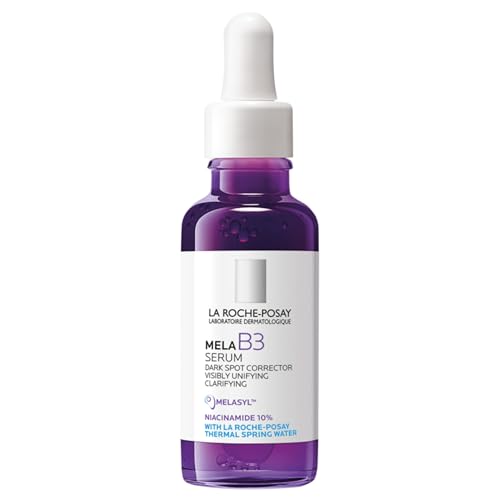
A 2025 study compared a 0.5% 2-mercaptonicotinoyl glycine serum (sold as Mela B3) against 4% hydroquinone over three months. The results showed that the newer serum was non-inferior in efficacy and had significantly better tolerability, with fewer local skin reactions at the one-month mark (6.0% versus 21.4%) [citation:1]. This does not mean hydroquinone is obsolete—it still delivers reliable results and remains the reference standard in clinical trials—but it does mean you have more options if your skin is sensitive.
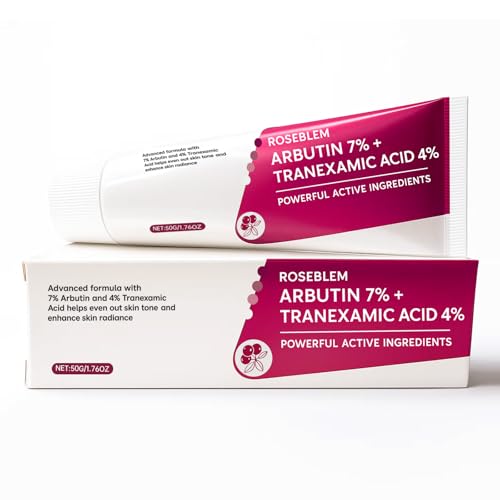
Other non-hydroquinone pathways include tranexamic acid (which targets inflammation and vascular factors in melasma), thiamidol (a highly selective human tyrosinase inhibitor), and azelaic acid. Some dermatologists now prefer these for long-term management because they can be used indefinitely without the same safety caveats [citation:5].
How to Use Hydroquinone Cream Correctly
- Start with clean, dry skin. Apply to the affected areas only—not the entire face—unless directed otherwise by your physician.
- Use a thin layer. More product does not mean faster results. A pea-sized amount per area is sufficient.
- Frequency matters. Most 4% formulations are designed for once-daily use, while some 2% products may be used twice daily. Follow the product instructions or your prescriber's guidance.
- Layer with sunscreen in the morning. If using hydroquinone in the evening, apply moisturizer after it absorbs. In the morning, always finish with broad-spectrum SPF.
- Be patient and consistent. Improvement is gradual. Photographic documentation every 4 weeks can help you track real progress rather than relying on daily mirror checks.
If your skin becomes excessively dry or irritated during treatment, reduce frequency or buffer with a gentle moisturizer. For those with dry or compromised skin barriers, starting with a hydrating cleanser for dry skin and a supportive moisturizer can make the adjustment period more comfortable.
Who Should Consider Hydroquinone—and Who Should Avoid It
Good candidates: Adults with melasma, sun-induced dark spots, or post-inflammatory hyperpigmentation who have not achieved satisfactory results with cosmetic brighteners. Individuals who are diligent about sun protection and can commit to a structured treatment timeline.
Proceed with caution: Those with sensitive skin, rosacea, or a history of contact dermatitis. A lower concentration or a non-hydroquinone alternative may be preferable.
Not recommended: Pregnant or breastfeeding individuals, children under 12, and anyone with a known allergy to hydroquinone or any ingredient in the formulation [citation:3].
Frequently Asked Questions
How long does hydroquinone take to fade dark spots?
Most clinical studies show measurable improvement within 4 to 8 weeks, with more significant results at 12 weeks. PIH can take longer—sometimes 6 to 12 months or more—because the underlying inflammation must resolve alongside the pigment [citation:2].
Can I use hydroquinone with other active ingredients?
Hydroquinone is often combined with retinoids (tretinoin) and mild corticosteroids in prescription "triple creams" for enhanced efficacy. However, layering hydroquinone with strong acids or high-concentration vitamin C can increase irritation. Introduce one active at a time and monitor your skin's response.
Will my dark spots come back after I stop using it?
Yes, if you stop protecting your skin from the sun. Hydroquinone does not permanently eliminate melanocytes—it temporarily suppresses their activity. Without ongoing sun protection and a maintenance routine, repigmentation is likely. Consider transitioning to a non-hydroquinone brightener like L-ascorbic acid serum or niacinamide after your treatment course ends.
Is hydroquinone banned in any countries?
Yes. Hydroquinone is banned from over-the-counter cosmetic products in the European Union, Japan, Australia, and several other regions due to safety concerns. In the United States, it is available by prescription at 4% and in some 2% over-the-counter products. Availability varies significantly by country, so check your local regulations before ordering online.
What should I look for in a hydroquinone product?
Look for airtight, opaque packaging (hydroquinone oxidizes and darkens when exposed to light and air—this is normal but reduces potency over time). Check the concentration clearly on the label. Avoid products from unfamiliar brands that do not disclose full ingredients or manufacturing standards. If you have sensitive skin, consider formulations that also include soothing ingredients like niacinamide or green tea extract.
The Bottom Line
Hydroquinone cream for dark spots remains one of the most effective topical treatments available—but it demands respect. It is not a casual addition to a skincare routine. If you choose to use it, commit to sun protection, follow the instructions precisely, and treat it as a time-limited course rather than a permanent fix. For those who cannot tolerate hydroquinone or prefer to avoid it, newer alternatives like tranexamic acid, thiamidol, and cysteamine are closing the efficacy gap with improved safety profiles [citation:1][citation:5].
Before purchasing, verify the concentration, check the ingredient list for potential allergens, and—if possible—consult a dermatologist who can assess whether hydroquinone is appropriate for your specific type of hyperpigmentation. The right product used correctly can make a meaningful difference; the wrong product used carelessly can set your skin back months.