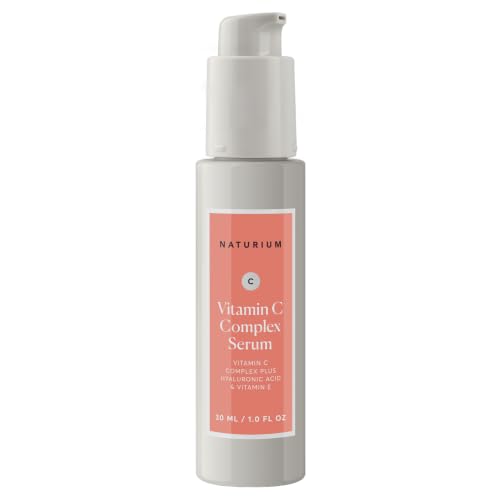
L Ascorbic Acid Serum: The Complete Guide to Brighter, Healthier Skin
L ascorbic acid serum is one of the most researched and effective forms of vitamin C available today. Learn how it works, what it can do for your skin, and how to choose the right formula for your routine.
Explore the BenefitsWhy L ascorbic acid matters: Not all vitamin C serums are created equal. L ascorbic acid is the purest and most bioavailable form of vitamin C, meaning your skin can recognize and use it efficiently. This guide explains what makes it different from derivative forms and helps you decide whether it belongs in your daily routine.
What Does L Ascorbic Acid Serum Do for Your Skin?
L ascorbic acid is a water-soluble antioxidant that occurs naturally in the skin. When applied topically in a well-formulated serum, it delivers a range of benefits that address some of the most common skin concerns. Unlike many cosmetic ingredients that work on the surface, L ascorbic acid penetrates the skin and supports its natural repair processes.
Brightens Dull Skin
By inhibiting tyrosinase, the enzyme responsible for melanin production, L ascorbic acid helps reduce uneven pigmentation and restores a more radiant complexion.
Fades Dark Spots
Regular use can visibly lighten post-acne marks, sun spots, and melasma when combined with daily sun protection and a consistent skincare routine.
Boosts Collagen
L ascorbic acid is a cofactor in collagen synthesis. It supports the production of new collagen fibers, which helps maintain skin firmness and elasticity over time.
Defends Against Damage
As an antioxidant, it neutralizes free radicals caused by UV exposure and pollution, helping to prevent premature signs of aging and environmental stress.
These benefits make L ascorbic acid serum a valuable addition to almost any skincare routine. However, results depend heavily on formulation quality, concentration, and how consistently you use the product. If you are building a routine from scratch, our guide on Korean skincare routines can help you understand where a vitamin C serum fits in the layering order.
How to Choose the Right L Ascorbic Acid Serum
Walking down the skincare aisle or browsing online, you will encounter dozens of vitamin C serums with wildly different formulations. The concentration, pH level, packaging, and supporting ingredients all affect how well the serum works and how comfortable it feels on your skin.
Concentration Matters
L ascorbic acid serums typically range from 5% to 20% concentration. Higher percentages are not automatically better. In fact, concentrations above 20% can cause irritation without offering additional benefits, because the skin can only absorb so much at once. For most people, a serum in the 10% to 15% range offers the best balance of efficacy and tolerability.
Understanding Quality Tiers
L ascorbic acid serums fall into distinct quality tiers based on formulation sophistication, ingredient sourcing, and stability technology. The table below outlines what you can generally expect from each tier so you can set realistic expectations and match your choice to your priorities.
| Quality Tier | Typical Characteristics | Best For |
|---|---|---|
| Entry-Level | Simple formulas, basic packaging, fewer supporting antioxidants, shorter shelf stability | First-time vitamin C users testing tolerance or building a starter routine |
| Mid-Range | Balanced concentrations, added ferulic acid or vitamin E, airless or opaque packaging | Daily users who want reliable brightening with good stability and comfort |
| Premium | Advanced stabilization, clinical testing, elegant textures, synergistic antioxidant blends | Those seeking maximum efficacy, faster visible results, and a refined sensory experience |
| Luxury | High-end formulation science, proprietary delivery systems, premium packaging, cosmetic elegance | Skincare enthusiasts who value both performance and a luxurious application ritual |
A mid-range serum often provides the most practical value for daily use, while premium and luxury options may offer faster visible improvements or a more pleasurable texture. If you are exploring other brightening products alongside vitamin C, you might also consider an organic serum or a Korean skincare serum to complement your routine.
Packaging and Stability
L ascorbic acid is notoriously unstable. It degrades when exposed to light, heat, and oxygen. Look for serums packaged in opaque or airless containers, ideally with a pump dispenser rather than a dropper. Dark glass bottles help, but an airless pump is the gold standard for preserving potency. Avoid products in clear bottles that have been sitting on a shelf for an extended period.
Supporting Ingredients
Many well-formulated serums include ferulic acid and vitamin E (tocopherol). These antioxidants stabilize L ascorbic acid and enhance its effectiveness. Ferulic acid, in particular, has been shown to significantly extend the shelf life and photostability of vitamin C. Some formulas also include hyaluronic acid for hydration or soothing agents like panthenol to reduce the risk of irritation.
How to Use L Ascorbic Acid Serum Correctly
Using vitamin C serum properly makes the difference between visible results and wasted product. Follow these steps to get the most out of your serum while minimizing the risk of irritation.
- Cleanse your face gently. Start with a mild cleanser. If your skin is dry or sensitive, consider a hydrating cleanser for dry skin that supports your skin barrier.
- Apply to dry skin. L ascorbic acid absorbs best on clean, dry skin. Wait about 30 seconds after cleansing before applying the serum.
- Use three to four drops. Spread the serum evenly across your face and neck. Avoid the immediate eye area unless the product specifies otherwise.
- Let it absorb for one to two minutes. Give the serum time to penetrate before applying the next layer. This also reduces the chance of pilling.
- Follow with moisturizer. Seal in the serum with a moisturizer suited to your skin type. If you have dry skin, a Korean moisturizer for dry skin can be an excellent choice.
- Finish with sunscreen in the morning. Vitamin C enhances sun protection but does not replace it. A broad-spectrum sunscreen is essential. Consider a lightweight sunscreen that layers well over serum and moisturizer.
Pro tip: If you are new to L ascorbic acid, start with every other morning and gradually increase to daily use. This gives your skin time to adjust and reduces the likelihood of stinging or redness.
Who Should Consider L Ascorbic Acid Serum?
L ascorbic acid serum is suitable for most skin types, but the ideal concentration and formula depend on your skin's sensitivity and your primary concerns.
- Dull or tired-looking skin: If your complexion lacks radiance, vitamin C can quickly restore a healthier glow.
- Dark spots and uneven tone: Those dealing with post-inflammatory hyperpigmentation or sun damage will benefit from consistent use. For stubborn dark spots, you may also explore hydroquinone cream for dark spots under professional guidance.
- Early signs of aging: Fine lines and loss of firmness can be addressed with vitamin C's collagen-supporting properties.
- Oily or combination skin: Water-based vitamin C serums are often lightweight and well-tolerated by oilier skin types.
- Sensitive skin: Choose a lower concentration (5% to 10%) and look for formulas with soothing ingredients. Patch-test first, and consider a Korean moisturizer for sensitive skin to support your barrier.
If your skin is highly reactive or you are undergoing active dermatological treatment, consult a professional before introducing a vitamin C serum. Our getting started guide can help you build a basic routine that prioritizes barrier health before actives.
Common Mistakes to Avoid
Even a high-quality L ascorbic acid serum can underperform if used incorrectly. Watch out for these common pitfalls.
- Storing the serum incorrectly. Heat and light accelerate oxidation. Keep your serum in a cool, dark cabinet, not on a sunny bathroom shelf.
- Using too much product. Three to four drops are sufficient for the face and neck. Using more wastes product and increases the chance of irritation.
- Mixing with strong acids immediately. Layering vitamin C directly with high-concentration AHAs or BHAs can cause stinging. Alternate mornings or wait between layers.
- Ignoring oxidation. A serum that has turned dark brown has degraded and lost much of its potency. Replace it rather than continuing to use it.
- Skipping sunscreen. Vitamin C supports sun protection, but without sunscreen, UV damage will continue to create new pigmentation and undermine your results.
Frequently Asked Questions
What does L ascorbic acid serum do for the skin?
What concentration of L ascorbic acid serum is best for beginners?
Can I use L ascorbic acid serum with retinol?
How long does it take to see results from L ascorbic acid serum?
Why does my L ascorbic acid serum turn yellow or brown?
Final Thoughts on L Ascorbic Acid Serum
L ascorbic acid serum is one of the few skincare ingredients with decades of research supporting its effectiveness. Whether your goal is to brighten dull skin, fade dark spots, or support collagen production, a well-formulated vitamin C serum can make a measurable difference in your complexion. Choose a product that matches your skin's tolerance, store it properly, and use it consistently with sunscreen for the best results. If you are still exploring brightening options, browse our guides on Korean skincare products for dry skin and K-beauty for complementary product ideas.