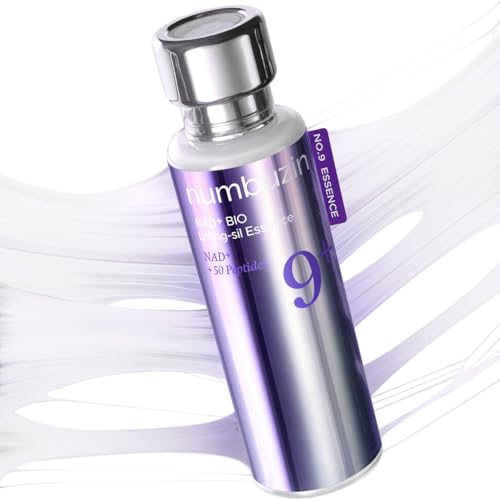
Korean Skincare Serum: Your Complete Guide to Glowing Skin
Discover how K-beauty serums work, which ingredients deliver real results, and how to layer them for maximum benefit in your daily routine.
START LEARNINGWhy Korean serums are different: The Korean skincare philosophy emphasizes hydration, gentle layering, and prevention. A K-beauty serum is typically lightweight, highly concentrated, and formulated to address specific concerns — from dullness to uneven texture — without disrupting the skin barrier.
What Is a Korean Skincare Serum?
A Korean skincare serum is a concentrated treatment that sits between your toner and your moisturizer in the classic Korean skincare routine. Unlike Western serums, which often focus on a single active ingredient at high strength, Korean serums tend to blend multiple complementary ingredients at gentler concentrations. This approach lets you layer several products without irritation.
Serums are typically water-based or gel-based and contain smaller molecules than creams, allowing them to penetrate deeper into the skin. They deliver hydrators like hyaluronic acid, brighteners like niacinamide, or repairing agents like centella asiatica. If you are new to the category, the K-beauty philosophy of "less irritation, more hydration" is a good starting mindset.
Why Use a Korean Serum?
- Targeted treatment: Addresses specific concerns such as dullness, dehydration, or post-acne marks.
- Lightweight hydration: Adds a layer of moisture without the heaviness of a cream.
- Barrier support: Many formulas include ceramides, centella, or panthenol to strengthen the skin barrier.
- Layering flexibility: Can be combined with other essences and ampoules to build a customized routine.
- Gentle actives: Formulated for daily use, often at concentrations that minimize irritation.
Key Ingredients in Korean Serums
The effectiveness of a Korean serum comes down to its ingredient list. Here are the most common and well-researched ingredients you will find, along with a neutral quality-tier descriptor for the type of product typically associated with each.
Snail Mucin
Mid-range to premiumA hydrating, repairing ingredient rich in glycoproteins and hyaluronic acid. Popular in Korean serums for soothing and plumping the skin.
Niacinamide
Entry-level to mid-rangeVitamin B3 that helps balance sebum, brighten dullness, and support the skin barrier. A staple in many affordable Korean serums.
Centella Asiatica
Mid-rangeAlso known as cica, this botanical soothes redness and supports healing. Common in serums for sensitive or acne-prone skin.
Hyaluronic Acid
Entry-level to premiumA humectant that draws water into the skin. Found in hydrating serums across all tiers, from budget-friendly to high-end.
Vitamin C
Mid-range to premiumAn antioxidant that brightens and protects against environmental damage. Korean formulas often pair it with soothing agents to reduce irritation.
Ceramides
PremiumLipids that reinforce the skin barrier. Often found in barrier-repair serums aimed at dry or compromised skin.
How to Choose the Right Korean Serum for Your Skin Type
Choosing a serum depends on your primary concern and skin type. The table below offers a quick reference based on typical K-beauty formulations.
| Skin Type / Concern | Recommended Ingredient Focus | Typical Tier |
|---|---|---|
| Dry or dehydrated skin | Hyaluronic acid, snail mucin, ceramides | Entry-level to premium |
| Oily or combination skin | Niacinamide, green tea, lightweight gels | Entry-level to mid-range |
| Sensitive or reactive skin | Centella asiatica, panthenol, oat extract | Mid-range |
| Dullness or uneven tone | Vitamin C, niacinamide, alpha arbutin | Mid-range to premium |
| Signs of aging | Peptides, retinol alternatives, antioxidants | Premium to luxury |
If you have sensitive skin, you may also want to explore a Korean toner for sensitive skin to pair with your serum. For dry skin types, a Korean moisturizer for dry skin can seal in the serum's hydration.
How to Use a Korean Serum: Step-by-Step
Layering order matters in K-beauty. Follow these steps to get the most from your serum:
- Cleanse: Start with a gentle cleanser. A hydrating cleanser for dry skin works well if your skin feels tight after washing.
- Tone: Apply a toner to prep the skin. A hydrating toner for dry skin adds a first layer of moisture.
- Apply serum: Dispense 2–3 drops into your palm and gently pat onto your face and neck. Avoid rubbing.
- Moisturize: Follow with a moisturizer suited to your skin type. Those with sensitive skin may prefer a Korean moisturizer for sensitive skin.
- Protect (AM only): Finish your morning routine with sunscreen. A lightweight sunscreen layers well over serums.
Morning vs. Night: When to Use Which Serum
Not all serums are designed for the same time of day. Here is a simple breakdown:
- Morning: Vitamin C, niacinamide, and hydrating serums. These support protection and prep the skin for makeup. If you wear foundation, a hydrating foundation for dry skin pairs well with a hydrated base.
- Night: Repair-focused serums with peptides, ceramides, or gentle exfoliating acids. Night is also the time for richer treatments like a Korean facial mask once or twice a week.
Common Mistakes to Avoid
- Using too much product: 2–3 drops are enough. More does not mean better absorption.
- Skipping patch tests: Always test a new serum on a small area first, especially if you have sensitive skin.
- Mixing too many actives: Layering strong acids with retinol can cause irritation. Introduce one active at a time.
- Ignoring layering order: Thinnest to thickest is the general rule. Serums go before moisturizers.
- Expecting overnight results: Most serums need 4–8 weeks of consistent use to show visible change.
Ready to Build Your K-Beauty Routine?
Explore our full guides on Korean skincare products and find the right combination for your skin type.
VIEW KOREAN ROUTINE GUIDEFrequently Asked Questions
What is the difference between a Korean serum and an ampoule?
A serum is a lightweight treatment used daily, while an ampoule is a more concentrated version intended for short-term, targeted use. In K-beauty, ampoules often contain higher percentages of a single active ingredient.
Can I use a Korean serum if I have acne-prone skin?
Yes. Look for non-comedogenic formulas with niacinamide, centella asiatica, or salicylic acid. Avoid heavy oils and always patch test. A serum should be lightweight and water-based for acne-prone skin.
How long does a Korean serum take to work?
Hydration benefits are often immediate, but brightening or barrier-repair effects typically take 4–8 weeks of consistent use. Results vary by ingredient and skin type.
Do I need both a serum and a moisturizer?
Yes. A serum delivers concentrated actives, while a moisturizer seals in hydration and supports the barrier. They serve different purposes and work best together.
Can I use a vitamin C serum with a Korean hydrating serum?
Yes, but apply the vitamin C serum first (it is thinner), then follow with a hydrating serum. Wait a minute between layers if your skin is sensitive. For brightening support, you may also consider a vitamin C serum as a complementary option.
Final Thoughts
A Korean skincare serum is one of the most versatile steps in a K-beauty routine. Whether you are targeting dehydration, dullness, or sensitivity, there is a formulation designed for your concern. Start with a gentle hydrating serum, introduce actives gradually, and always follow with moisturizer and sunscreen. For more product-specific guidance, explore our Korean skincare products for dry skin and browse the K-beauty box options for curated sets. If you are new to K-beauty, the Korean beauty brand guide can help you identify reputable labels.
Remember: consistency and gentle layering are the core principles. With the right serum and a little patience, your skin can look plumper, calmer, and more radiant.