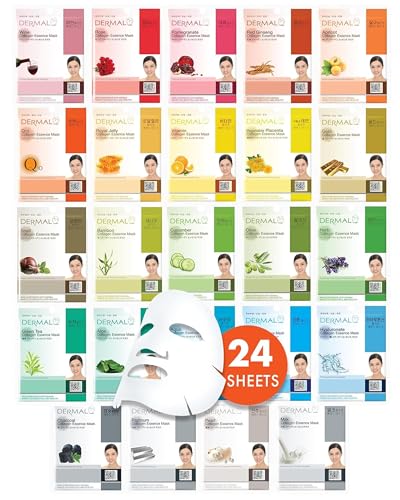
Korean Facial Mask: The Complete Guide to Glowing Skin
Discover how Korean facial masks work, which types suit your skin, and how to build a masking routine for a radiant, healthy complexion.
EXPLORE THE GUIDEWhy Korean Facial Masks? Korean beauty has popularized facial masking as a weekly ritual for hydration, soothing, and brightening. Whether you prefer a sheet mask soaked in essence or a creamy wash-off treatment, the right mask can transform your skincare routine and give your skin a visible glow.
What Is a Korean Facial Mask?
A Korean facial mask is a targeted skincare treatment designed to deliver concentrated ingredients to the skin in a short amount of time. Unlike a daily moisturizer, a mask creates a occlusive layer that helps active ingredients penetrate more effectively. Korean beauty culture has elevated masking into an art form, with sheet masks, hydrogel masks, clay masks, and sleeping masks all playing a role in the famous Korean skincare routine.
Masks are not just about pampering—they are a practical way to address specific concerns such as dehydration, dullness, excess oil, or sensitivity. If you are new to K-beauty, exploring K-beauty essentials and a curated K-beauty box is a great way to sample different mask types before committing to full-size products.
Types of Korean Facial Masks
The world of Korean masking is diverse. Here are the most common types you will encounter and what each one does best.
Sheet Masks
The most iconic Korean mask. A fabric or hydrogel sheet is soaked in essence and applied for 10–20 minutes. Sheet masks are ideal for instant hydration and a quick glow boost. They are typically budget-friendly and available in single-use packets.
Hydrating & BrighteningWash-Off Masks
Cream, gel, or clay-based masks that you apply and rinse off after 10–15 minutes. Clay masks are excellent for oil control and pore cleansing, while cream masks nourish dry skin. These are often mid-range and come in jars or tubes.
Cleansing & NourishingSleeping Masks
Applied as the final step of your nighttime routine and left on overnight. Sleeping masks seal in moisture and support overnight repair. They are perfect for dry or tired skin and are available at various tiers, from affordable to premium.
Overnight RepairHydrogel Masks
Made from a gel-like material that adheres closely to the skin and feels cooling. Hydrogel masks are often infused with premium ingredients like peptides or niacinamide. They sit in the premium range and are great for soothing and firming.
Soothing & FirmingPeeling & Exfoliating Masks
Contain gentle acids or enzymes to remove dead skin cells and refine texture. Use these 1–2 times per week depending on your skin's tolerance. They are a mid-tier option for those looking to brighten and smooth.
ExfoliatingModeling Masks
A powder-to-gel mask that you mix and apply, then peel off in one piece. Modeling masks are a spa-like experience and often premium in positioning. They provide intense hydration and a temporary lifting effect.
Spa ExperienceSheet Mask vs. Wash-Off Mask: Quick Comparison
Choosing between a sheet mask and a wash-off mask depends on your skin goals and how much time you have. Here is a side-by-side look.
| Feature | Sheet Mask | Wash-Off Mask |
|---|---|---|
| Application Time | 10–20 minutes | 10–15 minutes |
| Best For | Hydration, glow, quick fix | Deep cleansing, oil control, exfoliation |
| Mess Level | Low (no rinsing needed) | Medium (requires rinsing) |
| Typical Tier | Entry-Level | Mid-Range |
| Frequency | 2–3 times per week | 1–2 times per week |
Key Ingredients in Korean Facial Masks
The effectiveness of a Korean facial mask often comes down to its ingredient list. Here are some star ingredients to look for based on your skin concerns.
Hyaluronic Acid
A humectant that draws water into the skin. Ideal for dehydrated, tight, or flaky skin. Found in many hydrating sheet masks and moisturizers for dry skin.
Niacinamide
Brightens dull skin, strengthens the barrier, and helps balance oil production. A versatile ingredient suitable for most skin types, including sensitive skin.
Green Tea
Antioxidant-rich and soothing. Green tea masks are excellent for calming redness and protecting against environmental stress. Explore more green tea skincare benefits.
Centella Asiatica (Cica)
Known for its healing and anti-inflammatory properties. Cica masks are a favorite for sensitive or irritated skin, often found in moisturizers for sensitive skin as well.
Propolis
A bee-derived ingredient with antibacterial and moisturizing benefits. Propolis masks give a honey-like glow and support skin recovery.
Ceramides
Lipids that help repair the skin barrier. Ceramide-rich masks are ideal for dry or compromised skin, especially during colder months.
How to Use a Korean Facial Mask: Step-by-Step
Using a Korean facial mask correctly can make the difference between a good result and a great one. Follow these steps for optimal results.
- Cleanse thoroughly. Start with a clean face. Use a gentle cleanser such as a hydrating cleanser for dry skin if your skin tends to be dry, or a foaming cleanser for oily skin.
- Apply a toner (optional but recommended). A hydrating toner for dry skin or a Korean toner for sensitive skin can prepare the skin to absorb the mask's ingredients more effectively.
- Open and apply the mask. Carefully unfold the sheet mask and apply it to your face, smoothing out air bubbles. For wash-off masks, apply an even layer, avoiding the eye and lip areas.
- Relax for 10–20 minutes. Sheet masks should not be left on until they dry out. Wash-off masks typically stay on for 10–15 minutes. Use the time to practice mindfulness or simply rest.
- Remove and pat in the remaining essence. After removing a sheet mask, gently pat the leftover essence into your skin. Do not rinse it off unless the product instructs you to. For wash-off masks, rinse with lukewarm water.
- Follow with moisturizer. Seal in the benefits with a moisturizer suited to your skin type. A Korean moisturizer for dry skin or a lightweight gel-cream works well depending on your needs.
- Use sunscreen in the morning. If you mask in the morning, always finish with a broad-spectrum sunscreen. A lightweight sunscreen is a comfortable choice for daily wear.
How to Choose the Right Korean Facial Mask for Your Skin Type
Not all masks are created equal. Matching the mask to your skin type ensures you get the benefits without irritation.
| Skin Type | Recommended Mask | Key Ingredients to Look For |
|---|---|---|
| Dry / Dehydrated | Hydrating sheet mask, sleeping mask, cream mask | Hyaluronic acid, ceramides, squalane, glycerin |
| Oily / Acne-Prone | Clay mask, tea tree sheet mask, exfoliating mask | Kaolin clay, tea tree, salicylic acid, niacinamide |
| Sensitive | Soothing sheet mask, cica cream mask | Centella asiatica, aloe vera, panthenol, fragrance-free formulas |
| Combination | Multi-masking (clay on T-zone, hydrating on cheeks) | Balancing ingredients like green tea, niacinamide |
| Mature / Dull | Hydrogel mask, brightening sheet mask, modeling mask | Niacinamide, peptides, vitamin C, propolis |
Common Mistakes to Avoid When Using Korean Facial Masks
- Leaving a sheet mask on for too long. Once the sheet starts to dry, it can draw moisture back from your skin. Stick to the recommended time.
- Using exfoliating masks too often. Over-exfoliation can damage the skin barrier. Limit acid-based or clay masks to 1–2 times per week.
- Skipping moisturizer after a mask. A mask is a treatment, not a replacement for your daily moisturizer. Always seal in the hydration.
- Ignoring expiration dates. Expired masks can harbor bacteria or lose potency. Always check the packaging.
- Not patch-testing new products. If you have sensitive skin, apply a small amount of the mask essence or formula to your inner arm before using it on your face.
Frequently Asked Questions About Korean Facial Masks
A Korean facial mask is a skincare treatment, typically a sheet mask or wash-off mask, designed to deliver concentrated ingredients like hyaluronic acid, niacinamide, or green tea to the skin for hydration, soothing, or brightening benefits.
Most Korean sheet masks are gentle enough for 2–3 times per week. Hydrating masks can be used more frequently, while exfoliating or clay masks should be limited to 1–2 times weekly depending on your skin type.
Yes. Korean facial masks have an expiration date on the packaging. Sheet masks are typically best used within 1–3 years of manufacture and should be used immediately after opening. Wash-off masks generally last 12–24 months after opening.
Hydrating sheet masks are often gentle enough for daily use, especially for dry or dehydrated skin. However, masks with active ingredients like retinol, acids, or clay should be used less frequently. Always follow the product's instructions and listen to your skin.
A sheet mask is a pre-soaked fabric or hydrogel sheet applied to the face for 10–20 minutes to deliver serum-like ingredients. A wash-off mask is a cream, clay, or gel formula applied to the skin and rinsed off after a set time, often for deeper cleansing or exfoliation.
Ready to explore more K-beauty? Dive into our Korean skincare routine guide, discover the best Korean skincare serums, or browse K-beauty essentials to build a complete routine. For targeted care, check out Korean skin care products for dry skin and Korean moisturizers for sensitive skin.