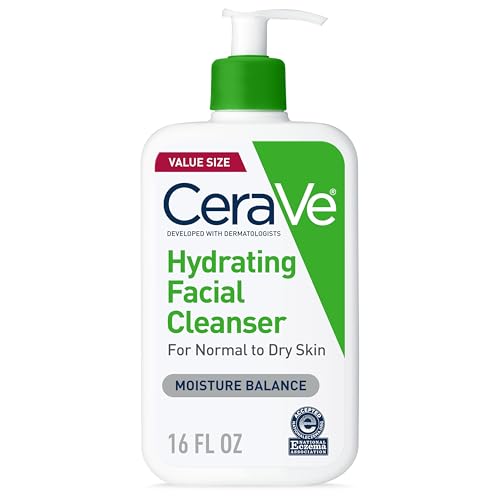
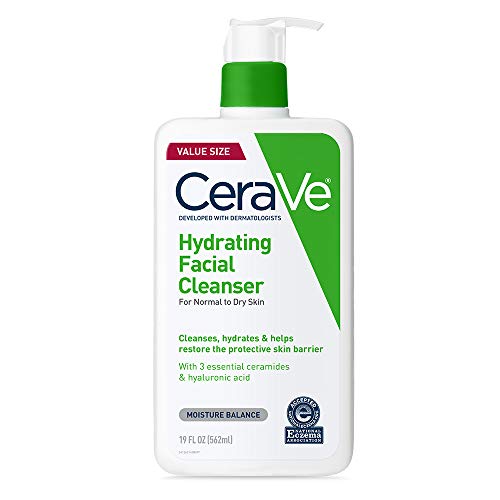
Hydrating Cleanser for Dry Skin: The Complete Guide
Learn how to cleanse dry skin without stripping it, which ingredients actually hydrate, and how to build a gentle routine that leaves your skin soft, calm, and comfortable.
Why Dry Skin Needs a Different Cleanser
Dry skin is not simply a matter of feeling "tight" after washing. It reflects a compromised skin barrier — the outermost layer that holds moisture in and keeps irritants out. When this barrier is weakened, water evaporates more quickly, leaving skin rough, flaky, and sometimes sensitive. Traditional cleansers, especially those that foam heavily or contain high concentrations of sulfates and alcohol, can accelerate this moisture loss. That is why the right hydrating cleanser for dry skin is not a luxury but a foundational step in any dry skin routine.
A well-formulated hydrating cleanser does two things: it removes dirt, sweat, and excess oil effectively, and it leaves the skin's natural moisture barrier as intact as possible. Unlike a moisturizer, a cleanser's job is not to add long-lasting hydration — it is to prevent hydration loss during the cleansing step. When you use a cleanser that strips your skin, even the best moisturizer afterward has to work harder to compensate. If you are building a full routine, pair your cleanser with a hydrating toner for dry skin and a Korean moisturizer for dry skin to reinforce the barrier at every step.
Dry skin can also be exacerbated by seasonal changes, indoor heating, hot showers, and over-exfoliation. If your skin feels tight after washing, flaky by midday, or reacts to products that others tolerate easily, your cleansing step is the first place to evaluate.
What Makes a Cleanser "Hydrating"
The term "hydrating" on a cleanser label can mean several things. Some formulas use humectants like glycerin and hyaluronic acid to attract water to the skin during cleansing. Others rely on emollients and occlusives — such as ceramides, squalane, and plant oils — to reinforce the barrier and reduce water loss. Many effective hydrating cleansers combine both approaches: humectants for immediate moisture attraction, and emollients for comfort and barrier support.
Another key factor is the surfactant system — the ingredients that actually clean. Harsher surfactants like sodium lauryl sulfate (SLS) create a rich lather but can bind to skin lipids and strip them away. Gentler surfactants, such as cocamidopropyl betaine, sodium cocoyl isethionate, and glucosides, clean effectively while being far more compatible with dry and sensitive skin. A hydrating cleanser typically uses these milder surfactants, often at lower concentrations, and balances them with conditioning ingredients.
Key takeaway: A hydrating cleanser should clean without leaving a squeaky, tight feeling. If your skin feels "squeaky clean," the cleanser is likely too harsh for dry skin.
Ingredients to Look For
When reading ingredient labels, look for these categories of ingredients that support dry skin:
- Humectants: Glycerin, hyaluronic acid, sodium PCA, panthenol (pro-vitamin B5), and urea. These attract and hold water in the skin during and after cleansing.
- Emollients: Squalane, shea butter, jojoba oil, and fatty alcohols (like cetyl and stearyl alcohol). These soften and smooth the skin.
- Barrier-supporting ingredients: Ceramides, cholesterol, and niacinamide. These help reinforce the skin's lipid barrier.
- Soothing agents: Aloe vera, oat extract, chamomile, and allantoin. These calm irritation and reduce redness.
- Gentle surfactants: Cocamidopropyl betaine, sodium cocoyl isethionate, decyl glucoside, and lauryl glucoside.
You do not need every single ingredient on this list in one product. A cleanser that combines a gentle surfactant system with glycerin and one or two emollients is already a strong choice for dry skin. For a deeper look at barrier-friendly skincare, see our guide to minimalist skincare and non-toxic skincare.
Ingredients to Avoid
If you have dry skin, be cautious with cleansers that contain:
- High concentrations of denatured alcohol: Can be extremely drying and disruptive to the barrier.
- Harsh sulfates (SLS): Effective at cleaning but often too stripping for dry skin.
- Strong fragrances and essential oils: Can irritate sensitive, dry skin, especially if the barrier is already compromised.
- Exfoliating acids (AHA/BHA) in cleansers: Not inherently bad, but if your skin is already dry or flaky, a daily acid cleanser may be too much. Save exfoliation for a dedicated treatment step.
- Antibacterial or "deep clean" formulas: These are often designed for oily skin and may be too aggressive for dry skin.
This does not mean these ingredients are universally bad — context matters. Someone with oily, acne-prone skin may benefit from a salicylic acid cleanser. But for dry skin, the general rule is to keep the cleansing step gentle and predictable.
Types of Hydrating Cleansers
Hydrating cleansers come in several formats, each with its own strengths. The table below outlines the most common types and what they are best suited for.
| Cleanser Type | Texture & Feel | Best For | Typical Tier |
|---|---|---|---|
| Cream Cleanser | Rich, lotion-like, low-foam | Very dry, flaky, or mature skin | mid-range |
| Milky Cleanser | Light liquid, almost no foam | Dry to normal skin, sensitive skin | entry-level |
| Oil Cleanser | Oil-to-milk or oil-to-foam | Dry skin with makeup or sunscreen removal | mid-range |
| Gel Cleanser (gentle) | Light gel, mild lather | Combination-dry skin, warm climates | entry-level |
| Balm Cleanser | Solid balm that melts into oil | Very dry skin, evening double cleanse | premium |
| Foaming Hydrating Cleanser | Soft foam, modern surfactant blend | Dry skin that prefers a lather | mid-range |
There is no single "best" format — the right choice depends on your skin's behavior across seasons, whether you wear makeup or sunscreen, and your personal preference for texture. Many people with dry skin use a balm or oil cleanser at night as a first step, followed by a gentle cream or milky cleanser. In the morning, a simple rinse with lukewarm water or a very gentle cleanser is often enough.
How to Choose the Right Hydrating Cleanser
With so many options, choosing a hydrating cleanser can feel overwhelming. Use these practical criteria to narrow your options:
- Start with your skin's current state. If your skin is very dry and flaky, prioritize cream or balm cleansers. If it is dry but tends toward congestion, a gentle gel or foaming hydrating cleanser may be more comfortable.
- Check the surfactant system. Look for gentle surfactants near the top of the ingredient list, and avoid SLS-heavy formulas.
- Look for humectants and emollients. Glycerin, panthenol, squalane, and ceramides are strong signals of a hydrating formula.
- Consider your routine. If you use a strong sunscreen or long-wear makeup, you may need a dedicated oil or balm cleanser as a first step. If you prefer a one-step cleanse, choose a cleanser that balances makeup removal with gentleness.
- Patch-test and observe. Even a well-formulated cleanser can be wrong for your skin. Use it for one to two weeks and notice how your skin feels immediately after cleansing and throughout the day.
If you enjoy K-beauty routines, our Korean skincare routine guide explains how hydrating cleansers fit into a multi-step approach. You may also find value in exploring Korean skin care products for dry skin and Korean skincare serum options that complement a hydrating cleanser.
Building a Gentle Cleansing Routine for Dry Skin
A cleansing routine for dry skin should be simple, consistent, and focused on preservation rather than aggressive removal. Here is a reliable framework:
Morning
For most people with dry skin, a full cleanse in the morning is not necessary. Rinsing with lukewarm water is often enough to remove overnight skincare residue. If you prefer to cleanse, use a very gentle milky or cream cleanser and keep contact time short.
Evening
In the evening, cleanse to remove sunscreen, makeup, and daily buildup. If you wear sunscreen or makeup, use a two-step approach: an oil or balm cleanser first, followed by a gentle hydrating cleanser. If you do not wear either, a single gentle cleanse is sufficient.
Immediately After Cleansing
Pat your skin dry with a clean towel — do not rub. While the skin is still slightly damp, apply a hydrating toner or essence, followed by a moisturizer. This "damp skincare" approach helps lock in moisture. If you want to explore toners, see our guide to hydrating toner for dry skin and Korean toner for sensitive skin.
Water temperature matters. Hot water strips lipids from the skin. Use lukewarm water for cleansing and rinsing, and avoid long, hot showers directly on the face.
If you use actives like retinol or exfoliating acids, introduce them gradually and buffer with moisturizer. Our guides on L-ascorbic acid serum and Korean skincare stick can help you layer treatments without overwhelming dry skin.
Common Mistakes to Avoid
Even with a good hydrating cleanser, certain habits can undermine your results:
- Over-cleansing: Cleansing more than twice a day, or using a cleansing device daily, can irritate dry skin. If you use a facial cleansing brush, limit it to once or twice a week with a soft brush head.
- Using hot water: Hot water feels soothing but strips moisture. Stick to lukewarm.
- Rubbing with a towel: Friction can damage the barrier. Pat dry instead.
- Skipping moisturizer after cleansing: A hydrating cleanser is not a substitute for moisturizer. Always follow with a moisturizer suited to your skin.
- Changing products too often: Dry skin benefits from consistency. Give a new cleanser at least two weeks before judging results.
- Ignoring the rest of your routine: Cleansing is one part of barrier care. Consider a gua sha tool or jade roller for gentle facial massage, and explore wellness practices that support skin health from the inside.
Ready to Upgrade Your Cleansing Routine?
Explore our curated selection of hydrating cleansers and barrier-friendly skincare products below. Each recommendation is chosen to help dry skin feel comfortable, calm, and well-cared for.
View Recommended ProductsFrequently Asked Questions
What is the best type of cleanser for dry skin?
Cream cleansers, milky cleansers, and oil-based cleansers are typically the best choices for dry skin because they cleanse without stripping the skin's natural moisture barrier. Look for formulas labeled hydrating, moisturizing, or gentle.
How often should I cleanse dry skin?
Most people with dry skin should cleanse twice daily — once in the morning and once at night. If your skin feels tight or uncomfortable after cleansing, reduce to once daily (at night) and simply rinse with lukewarm water in the morning.
Can a hydrating cleanser replace moisturizer?
No. A hydrating cleanser helps prevent moisture loss during cleansing, but it does not replace a moisturizer. Always follow cleansing with a hydrating toner and a moisturizer to lock in moisture.
What ingredients should I avoid in a cleanser for dry skin?
Avoid cleansers with high concentrations of alcohol, harsh sulfates (like sodium lauryl sulfate), strong fragrances, and exfoliating acids if your skin is already dry or irritated. These can strip moisture and disrupt the skin barrier.
Is a foaming cleanser bad for dry skin?
Not necessarily. Some modern foaming cleansers are formulated to be gentle and hydrating. However, traditional foaming cleansers tend to be more stripping, so dry skin types should look for foaming formulas specifically labeled hydrating or moisture-rich.
Final Thoughts
A hydrating cleanser for dry skin is one of the most impactful changes you can make to your routine. By choosing a gentle formula, avoiding stripping ingredients, and following up with barrier-supporting products, you give your skin the best chance to retain moisture and stay comfortable throughout the day. If you are exploring a broader skincare approach, browse our skincare section, learn about K-beauty principles, and consider clean beauty formulations that prioritize skin-friendly ingredients.
For more personalized guidance, explore our getting started page and our contact page. Always patch-test new products, and consult a dermatologist if you have persistent skin concerns.