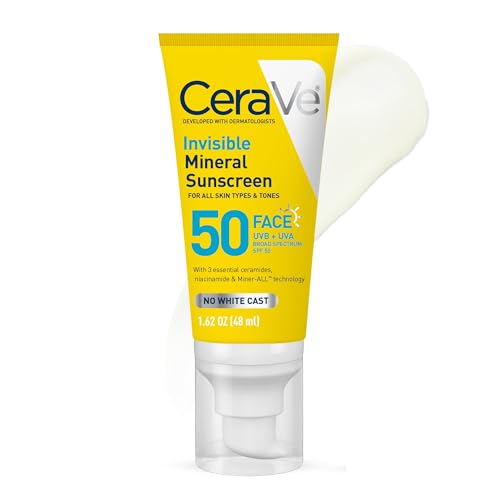
Mineral Sunscreen: The Complete Guide to Physical UV Protection
Everything you need to know about zinc oxide and titanium dioxide sunscreens — how they work, who benefits most, and how to choose a formula that protects your skin without compromise.
EXPLORE THE GUIDEWhy mineral sunscreen matters: If you have sensitive skin, are shopping for children, or care about reef-safe sun protection, mineral sunscreen is one of the most reliable choices available. This guide explains the science, the trade-offs, and the practical steps to pick the right formula.
What Is Mineral Sunscreen?
Mineral sunscreen — also called physical sunscreen — uses inorganic UV filters, primarily zinc oxide and titanium dioxide, to protect skin from the sun. Unlike chemical sunscreens that absorb UV rays and convert them into heat, mineral filters sit on the surface of the skin and reflect or scatter UV radiation before it can penetrate.
This physical mechanism is why mineral formulas are often recommended for reactive and sensitive skin. They tend to cause fewer irritation issues, and because they act on the surface, they begin protecting immediately upon application — no waiting period required.
If you are building a complete sun protection routine, pairing a mineral sunscreen with a gentle cleanser and a restorative natural moisturiser helps maintain a healthy skin barrier throughout the day. For those with dry or dehydrated skin, layering a skin serum for dry skin underneath your sunscreen can improve comfort without compromising protection.
How Mineral Sunscreen Works
Mineral filters work through two primary mechanisms:
- Scattering: The particles scatter UV rays in multiple directions, reducing the amount that reaches the skin.
- Reflection: A portion of UV radiation is reflected away from the skin surface.
Zinc oxide is the more comprehensive filter, covering both UVA and UVB rays across a broad spectrum. Titanium dioxide is highly effective against UVB and short-wave UVA but is often combined with zinc oxide for full-spectrum coverage. This is why many premium mineral formulas use both filters together.
Particle size matters too. Non-nano mineral sunscreens use particles large enough that they are not absorbed into the bloodstream, which is a key consideration for reef-safe and health-conscious buyers. Micronized versions reduce the white cast but may still be labeled non-nano depending on the manufacturer.
Mineral vs Chemical Sunscreen: Key Differences
Choosing between mineral and chemical sunscreen comes down to your skin type, lifestyle, and priorities. Here is a practical comparison:
| Factor | Mineral Sunscreen | Chemical Sunscreen |
|---|---|---|
| Active filters | Zinc oxide, titanium dioxide | Avobenzone, oxybenzone, octinoxate, etc. |
| Mechanism | Reflects and scatters UV rays | Absorbs UV rays and converts to heat |
| Onset of protection | Immediate | Typically 15–20 minutes after application |
| Skin sensitivity | Generally gentler; ideal for reactive skin | May irritate sensitive skin in some users |
| White cast | Possible, especially on deeper skin tones | Minimal to none |
| Reef safety | Usually reef-safe when non-nano | Some filters linked to coral damage |
| Texture | Can feel thicker or creamier | Often lighter and more cosmetically elegant |
Neither category is universally superior. A person with oily skin may prefer a lightweight chemical formula, while someone with rosacea or eczema will often do better with mineral. Many dermatologists recommend mineral sunscreen for post-procedure skin and for children.
If you are specifically looking for a lighter daily option for oily or acne-prone skin, a non-greasy sunscreen for face can be a practical complement to your mineral routine. For outdoor sports and swimming, consider a sunblock lotion SPF 50 with water resistance.
Benefits of Mineral Sunscreen
1. Gentle on Sensitive Skin
Because mineral filters sit on top of the skin and are not significantly absorbed, they are less likely to trigger irritation, stinging, or allergic reactions. This makes them a first choice for people with rosacea, eczema, or post-procedure skin. Pairing mineral sunscreen with a sensitive skin moisturizer creates a comfortable, low-irritation routine.
2. Immediate Protection
There is no waiting time. You can apply mineral sunscreen and step into the sun right away, which is especially useful for busy mornings and for applying on children.
3. Reef-Safe and Environmentally Responsible
Non-nano zinc oxide and titanium dioxide are generally considered reef-safe because they do not dissolve in water and are not linked to coral bleaching the way some chemical filters are. If sustainability matters to you, mineral sunscreen aligns well with the principles of eco-friendly beauty and clean beauty.
4. Broad-Spectrum Coverage
Zinc oxide in particular provides stable broad-spectrum protection against both UVA (aging) and UVB (burning) rays. Look for the words "broad spectrum" on the label to confirm coverage.
5. Suitable for Children
Pediatric dermatologists frequently recommend mineral sunscreen for babies and young children because of its low irritation profile and surface-acting mechanism.
Potential Drawbacks to Know
Being informed means understanding the trade-offs. Mineral sunscreen has a few limitations worth considering:
- White cast: Traditional formulas can leave a visible whitish layer, particularly on medium to deep skin tones. Tinted mineral sunscreens and micronized formulas help mitigate this.
- Texture: Some mineral formulas feel thicker or harder to spread than chemical alternatives.
- Rubbing off: Because they sit on the surface, mineral sunscreens can transfer onto clothing or be wiped off more easily. Reapplication discipline is essential.
- Less elegant under makeup: Some formulas can pill or interact with foundation. A tinted mineral formula often doubles as a light base.
For those who wear foundation daily, a mineral foundation layered over a mineral sunscreen can create a cohesive, skin-friendly base. If you prefer a lighter tint, a skin tint for oily skin is another option for oily skin types.
Who Should Use Mineral Sunscreen?
Mineral sunscreen is particularly well-suited for:
- Sensitive or reactive skin: Rosacea, eczema, and post-procedure skin benefit from the low-irritation profile.
- Children and babies: Gentle and surface-acting, with immediate protection.
- Reef-conscious consumers: Non-nano mineral filters are generally reef-safe.
- Pregnant or breastfeeding individuals: Many prefer mineral filters due to minimal systemic absorption.
- People with melasma or pigmentation concerns: Consistent broad-spectrum protection is critical, and mineral formulas support daily compliance.
If you have oily or acne-prone skin, look for mineral formulas labeled non-comedogenic. A non-comedogenic moisturizer for oily skin underneath your sunscreen helps balance hydration without clogging pores.
How to Choose the Right Mineral Sunscreen
Not all mineral sunscreens are created equal. Use these criteria to narrow your options:
1. Check the Active Ingredients
Look for zinc oxide and/or titanium dioxide as the active UV filters. Zinc oxide offers broader UVA coverage; titanium dioxide is excellent for UVB. A combination formula is often the most balanced.
2. Confirm Broad-Spectrum and SPF
SPF 30 is the minimum recommended for daily use; SPF 50 is preferable for extended outdoor exposure. Always confirm "broad spectrum" on the label to ensure UVA protection.
3. Look for Non-Nano Particles
Non-nano means the particles are large enough not to be absorbed into the bloodstream, which is a key safety and reef-safety marker.
4. Consider Tinted vs Untinted
Tinted mineral sunscreens help neutralize white cast and can double as a light base. Untinted versions are more versatile for all-over body use.
5. Match the Texture to Your Skin Type
Oily skin: look for gel-cream or matte-finish mineral formulas. Dry skin: choose cream-based formulas with hydrating ingredients. For body, a lotion or spray format may be more practical.
How to Apply Mineral Sunscreen Correctly
- Use enough product: About a nickel-sized amount for the face and neck, or a shot-glass amount for the body.
- Apply to clean, moisturised skin: Let your moisturiser absorb for a minute before applying sunscreen. A natural moisturizer for dry skin works well as a base for dry skin types.
- Dot and blend: Dot the product across the face and blend outward. Avoid over-rubbing, which can reduce the protective film.
- Don't forget the ears, neck, and hairline: These areas are commonly missed and prone to sun damage.
- Reapply every two hours: More often after swimming, sweating, or toweling off. Mineral sunscreen is water-resistant only if labeled as such.
For outdoor activities, consider layering a mineral face sunscreen with a body sunscreen for full-body coverage. If you are spending the day at the beach or pool, an after sun lotion helps soothe and rehydrate skin post-exposure.
Common Mistakes to Avoid
- Applying too little: Under-application is the most common reason sunscreen underperforms. Be generous.
- Skipping reapplication: Mineral sunscreen does not last all day, especially with sweat and friction.
- Relying on SPF in makeup alone: The SPF in foundation or powder is rarely enough on its own — layer a dedicated sunscreen underneath.
- Ignoring the neck and hands: These areas show aging quickly and need protection too.
- Not patch-testing new formulas: Even gentle mineral formulas can contain other ingredients that may not suit your skin.
If you are new to building a skincare routine, the getting started guide is a helpful companion to this article. And if you want to explore more sun protection formats, the mineral sun screen hub covers related options.
Frequently Asked Questions
Is mineral sunscreen better than chemical sunscreen?
Neither is inherently better. Mineral sunscreen suits sensitive skin, children, and reef-conscious users, while chemical sunscreen may feel lighter and blend more easily on deeper skin tones. The best choice depends on your skin type and priorities.
Does mineral sunscreen leave a white cast?
Traditional formulas can, but modern tinted and micronized versions have greatly reduced this. Tinted mineral sunscreens blend more seamlessly across a wider range of skin tones.
Can I use mineral sunscreen under makeup?
Yes. Let the sunscreen set for a few minutes before applying makeup. A tinted mineral formula can even double as a lightweight base, reducing the need for foundation.
How often should I reapply mineral sunscreen?
Every two hours during sun exposure, and more often after swimming, sweating, or toweling off. Water resistance is only guaranteed if the label says so.
Is mineral sunscreen safe for babies?
Mineral sunscreen is generally the preferred choice for babies and young children due to its low irritation profile. Always check with a pediatrician for infants under six months.
Ready to choose? Browse our recommended mineral sunscreens below. Each option is selected for broad-spectrum protection, non-nano mineral filters, and real-world wearability. Compare textures and finishes to find the formula that fits your skin type and daily routine.